
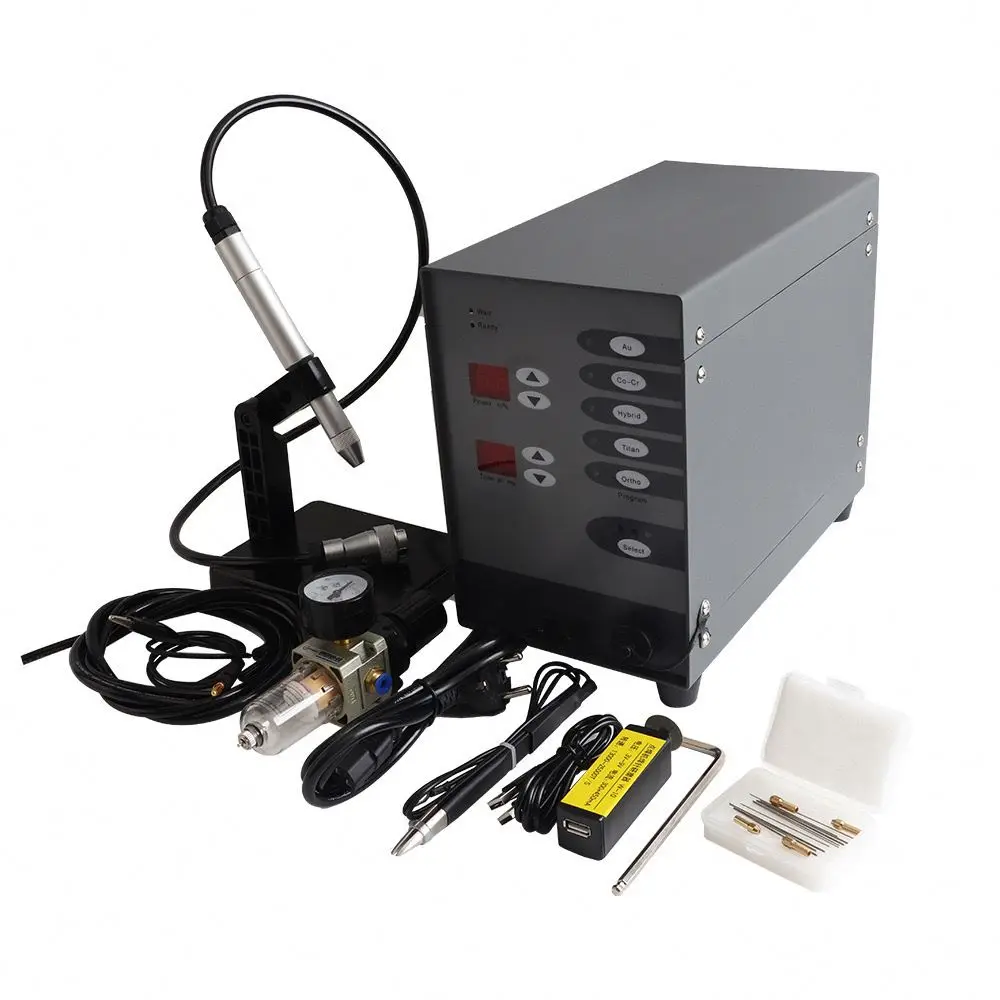
Source-controlled product identity
The Hoting queue identifies Product ID 1601244221732 as a TEBAK automatic numerical-control touch welding machine. The source title also describes it as an Argon Arc Welding Machine for gold and silver jewelry.
The source record contains no structured technical parameters. It does not establish welding current, voltage, power, pulse duration, argon flow, electrode or torch type, working area, microscope or camera configuration, positioning accuracy, material thickness, joint strength, cycle time, cooling, accessories or certification. These items remain supplier-confirmation and acceptance-test requirements.
This guide is for B2B buyers evaluating a controlled jewelry repair or fabrication workstation. It focuses on alloy identification, joint preparation, heat control, shielding gas, operator ergonomics, numerical-control functions, sample validation, quality records and serviceability without converting the product title into verified performance.
Recorded information and procurement status
| Field | Recorded source information | Procurement status |
|---|---|---|
| Product ID | 1601244221732 | Keep this ID on the quotation, sample request, inspection report and shipping documents. |
| Brand | TEBAK | Confirm exact nameplate, model revision and supplied configuration. |
| Machine type wording | Automatic numerical-control touch welding machine | Request a functional description of the numerical-control and touch functions. |
| Application wording | Gold and silver jewelry | Validate the actual alloys, thicknesses, joint types, finishes and repair objectives. |
| Process wording | Argon arc welding machine | Confirm the actual welding process, shielding arrangement, torch and consumables. |
| Power and electrical data | Not supplied | Request input voltage, frequency, phase, rated power, current range, grounding and protection. |
| Gas data | Not supplied | Confirm argon purity, inlet pressure, flow range, regulator, hose and gas monitoring. |
| Work envelope | Not supplied | Request table size, usable travel, workpiece height, fixture limits and access clearance. |
| Accuracy and capacity | Not supplied | Validate positioning, repeatability, weldable thickness, joint size and acceptable heat effect. |
| Compliance | Not supplied in the source record | Request electrical, EMC, laser or arc safety, user manual and destination-market documents as applicable. |
Define the jewelry work before selecting the machine
A jewelry welding system should be selected against a defined repair or fabrication job. Record the alloy, karat or composition, color, temper, thickness, joint geometry, surface finish and post-weld appearance required by the buyer.
For gold jewelry, specify whether the work involves yellow, white, rose or another alloy family. For silver, record fineness, solder history, plating, tarnish, porosity and any heat-sensitive stones or components nearby.
Describe the joint: butt joint, crack closure, link repair, prong, bezel, chain component, ring shank, clasp, filigree or another feature. A machine that performs well on a small clean butt joint may need a different setup for a reflective, thin or heat-conductive assembly.
Provide representative parts, not only flat test coupons. Include the smallest, thinnest, thickest and most difficult geometries expected in production or repair.
Define the acceptable appearance after welding. Specify whether the buyer permits discoloration, local texture change, bead visibility, slight distortion, post-weld polishing or additional plating.
Record whether the machine is intended for new fabrication, repair, prototyping, one-off restoration, batch production or training. The correct fixtures, controls and acceptance tests depend on this use.
Clarify the process described as Argon Arc Welding
The title uses the phrase Argon Arc Welding Machine, but the source does not identify the exact process configuration. Ask the supplier to state the process name, arc type, electrode polarity, torch arrangement, filler method and shielding strategy.
Confirm whether welding is performed with a tungsten electrode, another electrode, a wire or a separate filler. Request electrode diameter, material, sharpening method, consumable life and replacement procedure.
Ask whether the machine supports continuous current, pulsed current, touch start, foot control, automatic touch detection or another ignition method. “Touch welding” should be defined in the manual and demonstrated on the buyer's parts.
Request the current range, pulse frequency, pulse-on and pulse-off settings, ramp-up, ramp-down, pre-flow, post-flow and arc-start behavior. None of these values are present in the source record.
Confirm how the machine controls heat input on thin jewelry. Test whether the operator can adjust energy without creating burn-through, excessive penetration, visible discoloration or distortion.
Ask whether the system includes a microscope, camera, crosshair, magnification, foot pedal, hand control, touch sensor, protective lens or work light. Treat product images as visual references, not as a confirmed accessory list.
Numerical-control and touch functions
The source calls the machine automatic numerical control, but does not explain what is automated. Request a written function list covering axis movement, touch detection, weld sequencing, parameter storage, position repeatability and operator intervention.
Confirm whether “touch” refers to workpiece sensing, touch-start arc ignition, a touch interface, contact detection or another function. Demonstrate the function under safe conditions and record the result.
Ask how programs are created, named, stored, locked, backed up and recalled. Define user access levels and whether parameter changes are logged.
Request the number of controlled axes, travel ranges, resolution, repeatability and maximum speed. If the machine uses a fixed torch and movable fixture, document that arrangement.
Test return-to-position, homing, limit switches, soft limits, overtravel protection and recovery after a power interruption. A numerical-control label does not establish these protections.
Define the acceptable deviation between programmed and measured weld position. Use calibrated reference marks or an agreed optical measurement method during acceptance.
Gold and silver alloy validation
Different jewelry alloys respond differently to arc energy, shielding, contamination and cooling. Build a sample matrix for the buyer's actual alloys and thicknesses before placing a production order.
Record base material, filler material, plating, solder residue, surface treatment and cleaning method. A successful result on clean unplated metal does not validate a plated or previously repaired part.
Test reflective surfaces, narrow edges, thin sections, hollow parts, links and joints near stones or heat-sensitive components. Define a safe exclusion zone around stones, enamel, adhesives and assembled mechanisms.
Inspect for porosity, cracks, undercut, lack of fusion, excessive penetration, burn-through, distortion, discoloration, inclusions and surface contamination.
Where the customer requires strength, define the test method. Options may include visual inspection, dye penetrant where suitable, microscopic inspection, bend or pull testing on representative coupons, or a customer-specific functional test.
Do not claim that a weld is suitable for load-bearing jewelry or a specific alloy until the buyer's test method and acceptance criteria are passed.
Shielding gas and workspace requirements
The source references argon but provides no gas specification. Ask for required purity, inlet pressure, flow range, regulator type, hose size, connection standard, pre-flow, post-flow and gas consumption.
Confirm whether the machine includes a gas valve, flowmeter, pressure regulator, hose, cylinder connection, gas alarm or leak test procedure. If these are optional, list them separately in the quotation.
Test shielding coverage on small joints, recessed areas, links and reflective surfaces. Record the effect of flow too low, too high, interrupted or turbulent.
Define ventilation and fume extraction. Jewelry alloys, plating, flux residue, polishing compounds and cleaning chemicals may produce fumes when heated.
Keep cylinders upright and secured, route hoses away from moving parts, and verify grounding and electrical separation. Follow the installation requirements in the supplier's manual and the buyer's site safety rules.
Perform a leak check before acceptance and after moving the machine. Record gas pressure before and after a defined hold period.
Optical access, fixtures and operator ergonomics
Small jewelry joints require stable viewing and controlled positioning. Request the viewing method, magnification, field of view, lighting, crosshair, eye relief and protective filter.
Confirm the usable work area and fixture options for rings, chains, pendants, prongs, clasps, hollow forms and irregular parts. Ask how fixtures prevent movement without marking finished surfaces.
Measure the position of the torch, electrode, workpiece and viewing axis. Record minimum access around a joint and the maximum part height the machine can accommodate.
Test the foot pedal, hand control, touch interface and emergency stop from the normal operating position. The operator should be able to stop safely without losing the workpiece or changing the program.
Evaluate seating, lighting, wrist support, glove compatibility, microscope posture and access to consumables. A repeatable jewelry process depends on operator stability as well as machine settings.
Request a setup drawing showing machine dimensions, table height, service clearance, gas route, power connection, extraction position and cylinder location.
Heat control and finish preservation
Jewelry buyers often need a localized repair with minimal effect on adjacent polish, plating, texture or stones. Define the maximum allowable heat effect and the inspection method.
Use thermally representative parts with the actual mass around the joint. A thin coupon may cool differently from a ring, hollow component or assembled pendant.
Record current, pulse settings, travel or touch sequence, gas flow, pre-flow, post-flow, number of passes and cooling time. These records are required to reproduce a successful repair.
Inspect the heat-affected area under agreed magnification. Check color change, grain or texture change, cracking, distortion, stone movement, adhesive damage and plating damage.
Test the post-weld process: cleaning, pickling if applicable, polishing, tumbling, plating or surface restoration. The machine may make a sound weld while still requiring a defined finishing route.
For white gold or plated jewelry, validate whether the weld area requires refinishing or re-plating. Do not assume that a visually acceptable weld is ready for retail presentation.
Quality system and traceability
Ask how welding parameters are connected to the work order, operator, alloy, joint type and inspection result. Numerical control is most valuable when settings can be repeated and traced.
Create a parameter sheet for each approved application. Include material, thickness, joint, electrode, filler, current, pulse settings, gas, fixture, microscope setting and finishing route.
Record first-piece approval, in-process checks, final inspection, rework and scrap reasons. Keep photographs or microscope images for representative accepted and rejected joints.
Define calibration or verification for current display, gas flow, position, touch sensing, timers and optical alignment. Request the supplier's recommended interval and reference tools.
Test password or program protection if the buyer needs to prevent accidental changes. Confirm whether settings can be exported or backed up after a controller replacement.
Request a user manual, electrical schematic or service documentation appropriate for the buyer's maintenance team. Confirm which documents are included in the delivered language.
Safety and maintenance requirements
Request guards, interlocks, emergency stop, arc shielding, protective viewing, overcurrent protection, over-temperature protection, gas-loss response and restart behavior.
Confirm the risks from arc radiation, hot metal, sharp jewelry edges, fumes, compressed gas, electrical energy and cleaning chemicals. Provide PPE and operator training suited to the process and materials.
Test emergency stop, gas interruption, electrode contact, overtravel, door or cover opening, power interruption and restart. Record whether the machine stops safely and whether a reset is required.
Ask for maintenance intervals for electrode holders, torches, lenses, filters, gas hoses, cooling components, touch sensors, cables, fixtures and motion elements.
Confirm whether the machine has air or water cooling and request the coolant type, capacity, filtration, temperature limit, leak protection and service procedure. The source record does not establish a cooling system.
Ask for spare-part numbers, warranty terms, service response, software support, controller replacement and training. Confirm which parts are consumables and which are covered by warranty.
Factory acceptance test
- Verify Product ID 1601244221732, TEBAK brand, exact model and nameplate configuration.
- Confirm the actual welding process represented by “Argon Arc Welding” and define the touch function.
- Verify input voltage, frequency, phase, rated power, current range, grounding and protective devices.
- Verify electrode, torch, filler, consumables, gas valve, regulator, hoses, fixtures, controls and manuals.
- Measure work envelope, table size, travel, access clearance, fixture limits and service space.
- Test buyer-provided gold and silver alloys across the smallest, thinnest and most difficult joints.
- Record alloy, thickness, joint, current, pulse settings, sequence, electrode, filler and gas settings.
- Test numerical-control positioning, touch detection, homing, limits, repeatability and program storage.
- Measure weld position and repeatability with an agreed optical or calibrated reference method.
- Inspect welds for fusion, porosity, cracks, undercut, burn-through, distortion, discoloration and inclusions.
- Test adjacent stones, plating, finish and assembled components where the buyer requires repair capability.
- Verify argon purity, flow, pressure, pre-flow, post-flow, leak performance and gas interruption response.
- Test viewing system, illumination, protective filter, foot pedal, hand control and emergency stop.
- Run continuous samples and record cycle time, parameter drift, operator steps, rejects and rework.
- Verify calibration, maintenance, spare parts, software backup, service terms, training and compliance documents.
RFQ checklist
- Product ID 1601244221732, model revision and nameplate photograph.
- Exact process description for Argon Arc Welding and definition of the touch function.
- Input voltage, frequency, phase, rated power, current range, duty cycle and protection.
- Pulse frequency, pulse-on/off, ramping, polarity, arc start, pre-flow and post-flow.
- Electrode, torch, filler, consumables, cooling, replacement and sharpening requirements.
- Argon purity, inlet pressure, flow range, regulator, connections, hose, gas monitoring and consumption.
- Numerical-control axes, travel, resolution, repeatability, speed, homing, limits and program storage.
- Meaning and performance of automatic operation, touch sensing and sequence control.
- Work area, table, fixtures, jewelry geometry, part height, access and surface-protection limits.
- Gold and silver alloy range, thickness, plating, stones, finishes and acceptable heat effect.
- Viewing system, magnification, lighting, protective filter, crosshair and operator controls.
- Weld strength, appearance, porosity, crack, discoloration, distortion and finishing acceptance criteria.
- Dimensions, weight, installation, service clearance, ventilation, extraction and gas-cylinder position.
- Safety guards, arc protection, emergency stop, gas-loss response, overcurrent and restart behavior.
- Calibration, maintenance, spare parts, warranty, training, software support and destination-market documents.
Buyer decision framework
This source identifies a TEBAK automatic numerical-control touch welding machine for gold and silver jewelry and uses Argon Arc Welding in the product title. It does not provide numeric electrical, welding, gas, motion, work-envelope or compliance data.
Approve the machine only after a supplier trial on the buyer's real alloys, thicknesses, joint geometries and finished parts. The trial should demonstrate controlled heat, repeatable positioning, acceptable weld integrity, protected adjacent features, stable shielding gas and documented operator steps.
Compare offers using the validated application matrix, sample results, parameter traceability, fixture quality, program control, serviceability, training and documentation rather than the automatic or numerical-control wording alone.
Frequently asked questions
What material is the machine intended for?
The source title names gold and silver jewelry. Confirm the supported alloys, thicknesses, plating, stones, finishes and repair conditions with representative samples.
What does touch welding mean?
The source uses “touch” in the product name but does not define it. Ask whether it means touch sensing, touch-start ignition, a touch interface or another function.
Is the machine automatically controlled?
The source calls it automatic numerical control. Request the actual controlled axes, sequence functions, program storage, repeatability and operator steps.
Does it include argon equipment?
The title references Argon Arc Welding, but gas purity, regulator, hose, valve and flow controls are not listed. Confirm every gas component in the quotation.
What welding current and power are available?
No electrical or welding ratings are supplied. Request input voltage, rated power, current range, pulse settings, duty cycle and protective devices.
What certifications are included?
No machine-specific certifications are provided in the source record. Request electrical, EMC, arc-safety, user manual and destination-market documents as applicable.
Source and contact
This guide is based on the Hoting queue record for Product ID 1601244221732. The source confirms TEBAK branding, automatic numerical-control touch welding wording, gold and silver jewelry application and Argon Arc Welding wording, but no structured performance values. Before purchase, request alloy trials, process specifications, safety documents, acceptance testing, spare-parts terms and warranty through the TEBAK sales inquiry channel.