
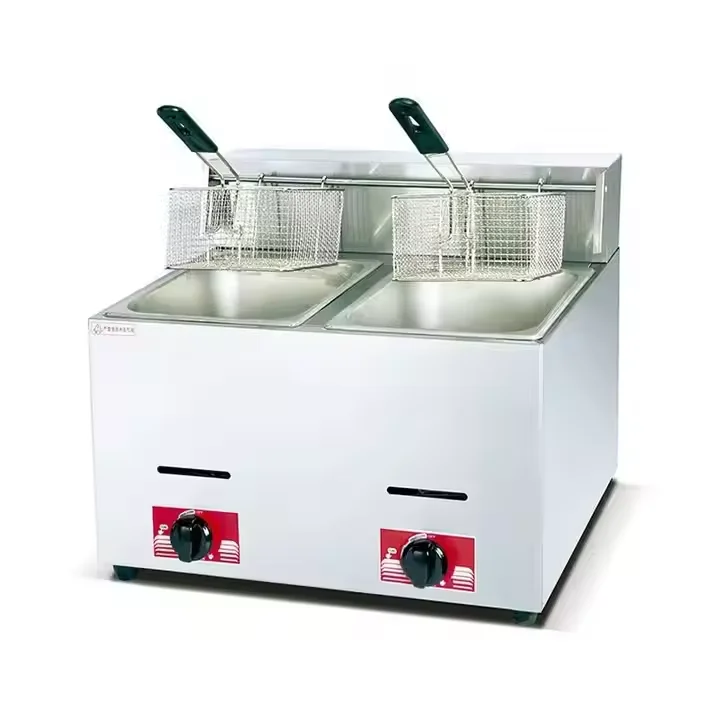
Source-controlled identity before quotation
This TEBAK queue record describes a table single-basket commercial gas deep fryer for chips and kitchen food equipment use. The product title is the only product-level source describing the configuration: table type, single basket, commercial gas deep-fryer use and chips-fryer application.
Product ID 1601452969273 is the queue identifier for this buying guide. The source record contains no structured parameter rows. The supplied description is a general company profile and does not provide product-specific operating specifications.
| Source field or description | Recorded value | Procurement treatment |
|---|---|---|
| Product identity | TEBAK Fryer Machine Table Single Basket Commercial Gas Deep Fryer Chips Fryer Kitchen Food Equipment Machine | Title-level identity; confirm the exact model, configuration and included parts. |
| Installation form | Table | Confirm footprint, support surface, clearance, stability and installation requirements. |
| Basket configuration | Single basket | Confirm basket dimensions, loading weight, handle, drain position and replacement basket availability. |
| Heating description | Commercial gas deep fryer | Confirm gas type, pressure, input rating, burner, controls, exhaust and local compliance. |
| Application wording | Chips fryer; kitchen food equipment | Test the buyer's product, recipe, oil and service schedule; do not infer capacity. |
| Supplier profile statement | General company description references quality control based on ISO9001 certifications | Do not treat this as product certification. Request current company and product documents separately. |
The source does not provide gas type, gas pressure, thermal input, burner count, burner material, oil-tank capacity, oil temperature range, thermostat type, temperature recovery, basket dimensions, maximum load, output, overall dimensions, working height, net weight, body material, oil-drain design, filtration, safety valve, flame-failure protection, ventilation requirements, CE/UKCA/NSF or other destination-market documents, packaging, MOQ, price, lead time or warranty. Every one of these is an RFQ confirmation item.
No numerical operating or performance value should be inferred from the words “commercial,” “deep fryer,” “single basket,” “gas,” “chips,” or “table.”
1. Define the buyer's frying workflow
Before requesting a quotation, record the buyer's food, portion size, target serving rate, peak-hour demand, oil type, desired finish, recipe temperature and available kitchen space.
“Chips fryer” is an application phrase, not a declared output. Clarify whether the unit will fry potato chips only or also frozen snacks, battered products, vegetables, fish or other foods.
Confirm whether one basket is sufficient for the workflow. A single-basket fryer may require sequential batches, so the buyer should calculate loading, frying, draining, seasoning and transfer time.
Ask the supplier to describe the complete operator sequence from cold start to shutdown. Include ignition, oil filling, warm-up, basket loading, frying, lifting, draining, oil filtration and cleaning.
Use product ID 1601452969273 in the RFQ subject, quotation, sample record and inspection report. Do not substitute a similar-looking fryer with a different burner or oil tank.
Define the acceptance sample using the buyer's oil, potato type, cut size, frozen or fresh condition and target serving weight.
Ask for a product-specific drawing and data sheet before discussing volume or delivery. The current source record does not contain those documents.
Do not approve the fryer based solely on the title or product photograph.
2. Table installation and kitchen planning
The title says table fryer. Request overall length, width, height, working height, service clearance, rear clearance, side clearance and the required support surface.
Confirm whether the unit can sit directly on a stainless-steel worktable or requires a stand, heat shield, non-combustible base, anchoring or leveling feet.
Check the position of gas inlet, exhaust, drain valve, control knob, basket handle and oil-fill opening. These interfaces must remain accessible during operation and cleaning.
Measure the buyer's available bench and verify that the fryer does not block ventilation openings, fire-safety equipment, walkways or adjacent appliances.
Ask whether the table must support the empty fryer, oil load, basket load and operator force at the same time. Request static-load and stability guidance.
Test stability during basket lifting, draining and oil removal. Record rocking, sliding, tipping risk and handle clearance.
Confirm the position of hot surfaces and required operator zones. A table form factor does not prove that the unit is safe on every counter.
Request installation drawings and a written list of support, heat-clearance and ventilation requirements.
3. Gas system and fuel compatibility
The title identifies a commercial gas deep fryer, but it does not state the fuel. Ask whether the quoted configuration is for LPG, natural gas or another approved gas source.
Request gas inlet size, operating pressure, rated heat input, gas consumption, regulator specification and conversion procedure if multiple fuels are supported.
Confirm whether burners, jets, valves and regulators are fuel-specific. Do not assume an LPG unit can be connected to natural gas without an approved conversion kit and qualified installation.
Ask for burner type, burner count, flame distribution, ignition method, flame-failure protection and access for inspection.
Request a gas schematic showing inlet, shutoff valve, regulator, control valve, thermostat, safety valve and burner connection.
Confirm whether the unit requires manual ignition, piezo ignition, electronic ignition or another system. Request the operating and troubleshooting procedure.
Ask for leak-test instructions, commissioning requirements and the qualifications required for installation and service.
Do not infer gas pressure, fuel consumption, heating power or local approval from the product title.
4. Burner, heat transfer and temperature control
The source provides no thermal input or heating-control specification. Request the rated heat input, burner material, burner layout, heat-transfer path and expected warm-up test condition.
Confirm how temperature is measured: mechanical thermostat, electronic controller, probe, capillary sensor or another system.
Request the declared temperature range, control tolerance, sensor location and adjustment method.
Test oil temperature at multiple points in the tank. A single displayed temperature may not represent the cold zone or the product zone.
Measure warm-up time from a defined starting temperature and oil volume. Record gas pressure, ambient conditions and test instrument.
Measure temperature recovery after a defined basket load. Record the time required to return to the target temperature.
Check for uneven heating, hot spots, delayed response, overshoot and thermostat cycling that could affect food quality or oil life.
Do not promise a cooking temperature, recovery time or fuel economy until the supplier provides a product-specific test report.
5. Oil tank and filtration questions
No oil-tank capacity or dimensions are listed. Request tank length, width, depth, usable oil volume, minimum oil level, maximum oil level and cold-zone design.
Confirm whether the tank is welded, removable, rounded, baffled or fitted with a sediment zone. Request a cross-section or detailed drawing.
Ask how oil is drained, where the drain valve is located and whether a container or hose is included.
Confirm whether filtration is built in, manual, optional or unavailable. Do not assume a commercial fryer includes an oil filter.
Test the drain path for complete emptying, safe oil temperature, splash control and access to corners.
Inspect tank welds, corners, seams and drain fittings for residue traps and cleaning difficulty.
Ask whether the buyer can use the intended oil volume without covering the burner or exceeding the safe fill line.
Do not calculate oil cost, product output or freight weight until the usable oil volume is confirmed.
6. Single-basket loading and product quality
The title says single basket. Request basket length, width, depth, mesh or perforation, handle material, handle length and empty basket weight.
Confirm the maximum recommended product load per batch. No maximum load is present in the source record.
Test the buyer's product at multiple load levels. Record oil temperature drop, fry time, recovery time, color, texture, moisture and batch consistency.
Check whether the basket rests securely above the oil during draining and whether the handle remains outside the hot zone.
Confirm basket clearance from the tank bottom, burner zone, oil surface and lid or splash area if a cover is supplied.
Ask whether the basket is removable without touching hot surfaces and whether replacement baskets are available.
Do not convert “single basket” into a pieces-per-hour claim. Throughput depends on food type, load, temperature, recovery, draining and operator handling.
Use a buyer-approved sample test to set batch size and acceptance criteria.
7. Temperature, recipe and recovery validation
Define a temperature test plan using the buyer's oil and product. Record oil volume, starting temperature, target temperature, gas setting, basket load and test instrument.
Measure temperature at the control sensor and at representative tank locations. Record the difference during warm-up, frying and recovery.
Test empty-tank warm-up only when the supplier's operating procedure permits it. Never operate outside the declared oil-level and safety instructions.
Run repeated batches to observe recovery, thermostat cycling, smoke, foaming, oil degradation and product variation.
Record the time from loading to finished product and the time from basket lift to the next ready batch.
Ask the supplier for recommended oil type, maximum service temperature, cleaning frequency and oil-change guidance.
Do not assume the fryer is suitable for fresh and frozen products, batter, crumbs or high-moisture foods without testing.
Keep the recipe and test condition attached to the acceptance report so later performance comparisons remain meaningful.
8. Safety and ventilation
A commercial gas fryer requires a site-specific safety review. Request the installation, ventilation, gas, fire and emergency-shutdown requirements for the destination market.
Confirm flame-failure protection, over-temperature protection, gas shutoff, ignition interlock and restart behavior after flame loss.
Ask whether a high-limit thermostat is present, where it is located, its reset method and the test procedure.
Request the exhaust temperature, clearance to combustible surfaces and required hood or extraction specification.
Confirm whether a lid, splash guard, heat shield, rear guard or other protective component is supplied.
Identify hot surfaces, open flame areas, oil splash zones, drain hazards and basket pinch points.
Ask for emergency procedures for gas odor, flame failure, oil ignition, overheating, power loss if applicable and drain blockage.
Do not state that the fryer is compliant with CE, UKCA, NSF, UL, CSA or another standard unless the supplier provides current product-specific evidence for the destination market.
9. Materials, welds and cleanability
The product record does not specify body, tank, basket, burner, frame or handle materials. Request a material list for every food-contact, hot-zone and gas-system component.
Confirm the tank and body finish, sheet thickness, surface treatment, weld finish and resistance to the buyer's oil, detergent and sanitizer.
Inspect food-contact surfaces for rough welds, sharp edges, crevices, exposed fasteners, residue traps and areas that cannot be reached by the cleaning tools.
Ask whether the basket mesh, tank, drain valve and burner area can be removed or accessed for cleaning.
Test drainability and drying. Record trapped oil, water or crumbs after the supplier's recommended cleaning process.
Confirm whether any coatings, sealants, gaskets or plastics are exposed to hot oil, flame or cleaning chemicals.
Request replacement part numbers for baskets, valves, thermostats, regulators, igniters and gaskets.
Do not infer stainless steel, food-grade construction or a sanitary finish from the product photograph.
10. Commercial duty and maintenance
The title uses the word commercial, but no duty cycle, service hours or maintenance interval is provided. Ask the supplier to define the intended duty profile.
Record expected batches per hour, operating hours per day, days per week and oil-change schedule in the RFQ.
Request maintenance points for burner, gas valve, thermostat, high-limit device, ignition, drain valve, basket, tank and frame.
Ask for inspection intervals, cleaning tools, approved lubricants and parts that must not be lubricated.
Confirm access to service components without removing unsafe gas connections or hot equipment.
Request a troubleshooting table for ignition failure, slow heating, temperature drift, flame instability, leaking drain and basket damage.
Ask for expected spare-parts availability and lead time. Record whether service parts are standard, custom or destination-specific.
Do not treat a general company quality statement as evidence of a product duty rating.
11. Packaging, delivery and receiving inspection
The queue description does not provide package dimensions, gross weight, protection method or delivery terms. Request a packing list and shipping data for the exact configuration.
Confirm whether the fryer ships with burner, gas valve, regulator, basket, drain parts, legs, handles, tools, manual and safety labels installed or packed separately.
Request corrosion and impact protection for the tank, burner and controls. Inspect gas fittings and drain valves for transport damage.
At receiving, photograph the package before opening and record carton or case damage.
Check product ID 1601452969273, model identity, basket count, gas components, manuals, labels and accessories against the packing list.
Inspect tank seams, drain, burner, control, frame, feet, handle and basket for dents, scratches, missing fasteners or contamination.
Do not connect gas until the installation, regulator, fuel type and safety checks are completed by a qualified person.
Keep receiving records with the quotation, approved drawing and final acceptance report.
12. Acceptance test before production use
Use product ID 1601452969273 and the title-level identity as the header of the test report.
Verify the table footprint, stability, working clearance, basket count, basket fit, drain position, gas inlet and control access.
Verify the declared fuel, pressure, regulator, burner, ignition and safety devices against the supplier's documentation.
Run a leak and ignition test according to the approved installation procedure. Record qualified tester, instruments and results.
Measure warm-up time, oil temperature stability and recovery with a defined oil volume and buyer-approved basket load.
Fry the buyer's approved product and record batch weight, fry time, temperature profile, color, texture, moisture, defects and oil condition.
Test basket lifting, draining, transfer, cleaning and oil draining at the end of a controlled run.
Do not approve production use until safety, gas, ventilation, food quality, cleanability and maintenance requirements are signed off.
13. RFQ checklist
- Confirm product ID 1601452969273 and exact model designation.
- Confirm that the quoted configuration is table-mounted, single-basket and gas-heated.
- Provide fuel type, gas pressure, heat input, consumption, regulator and inlet details.
- Provide burner, ignition, flame-failure, high-limit and gas-shutoff specifications.
- Provide oil-tank dimensions, usable volume, minimum/maximum fill line and drain design.
- Provide basket dimensions, mesh, handle, maximum load and replacement part number.
- Provide temperature range, sensor type, control tolerance and recovery test data.
- Provide overall dimensions, working height, weight, footprint and service clearances.
- Provide body, tank, basket, gas-system and food-contact material information.
- Provide ventilation, hood, fire-safety, installation and destination-market documents.
- Provide cleaning, oil-filtration, maintenance, spare-parts and warranty instructions.
- Run a buyer-sample acceptance test before shipment or production approval.
14. Questions for the supplier
What exact gas fuel and pressure does the quoted fryer require?
What are the rated heat input and gas consumption under the stated test condition?
What are the oil-tank dimensions, usable oil volume and safe fill limits?
What are the basket dimensions, maximum load, mesh specification and replacement cost?
What temperature range, control tolerance and recovery time can be documented?
Which safety devices are installed for flame failure, over-temperature and gas shutoff?
What are the overall dimensions, working height, net weight and required ventilation clearance?
What materials and surface finishes are used for the tank, body, basket, frame and food-contact parts?
How is oil drained and filtered, and can all residue zones be reached during cleaning?
Which product-specific compliance documents are available for the buyer's destination market?
Can you provide a full installation, operation, cleaning and maintenance manual for this exact model?
Can you run a buyer-sample test and provide temperature, recovery, batch and defect records?
15. What not to assume
Do not assume commercial means a declared duty cycle, certified capacity or destination-market approval.
Do not assume gas means LPG, natural gas or a universal conversion capability.
Do not assume a single basket has a standard size, load or output.
Do not assume chips-fryer wording proves a specific oil temperature, batch time or product yield.
Do not assume a table fryer fits every bench or can operate without a hood and heat clearance.
Do not assume the tank has a cold zone, filtration, rounded corners or a complete drain.
Do not assume a product photograph proves material grade, weld quality or cleanability.
Do not assume the supplier profile's ISO9001 statement is a product certificate or destination-market compliance document.
Do not assume the basket, regulator, drain parts, manuals or safety devices are included unless listed in the quotation.
Do not approve the fryer without a gas, ventilation, food-quality and cleaning acceptance test.
16. Final procurement decision
The source-confirmed baseline is a TEBAK table single-basket commercial gas deep fryer described for chips and kitchen food equipment use. No structured product specifications were supplied with the queue record.
Proceed only after the supplier provides and the buyer verifies the fuel system, thermal input, oil tank, basket, temperature control, safety devices, ventilation, materials, cleanability, spare parts, documents and acceptance-test results.
Editor's note: This guide uses the supplied Hoting queue title, product ID and image. It does not convert title-level marketing wording or a general company profile into unverified engineering specifications, performance numbers, certifications or commercial terms.
Frequently asked questions
- What product configuration is listed?
- The title describes a table single-basket commercial gas deep fryer for chips and kitchen food equipment use. No structured product parameters are supplied.
- What gas does the fryer use?
- The source does not state the fuel type or pressure. Confirm LPG, natural gas or another approved fuel, along with regulator and burner details.
- What is the oil capacity?
- The source provides no oil-tank capacity. Request tank dimensions, usable volume, fill limits and drain design.
- What is the basket capacity?
- The source only says single basket. Confirm basket dimensions, maximum load, mesh, handle and replacement parts.
- What should be verified before shipment?
- Verify gas, thermal input, tank, basket, temperature control, safety, ventilation, materials, cleaning and a buyer-sample acceptance test.