
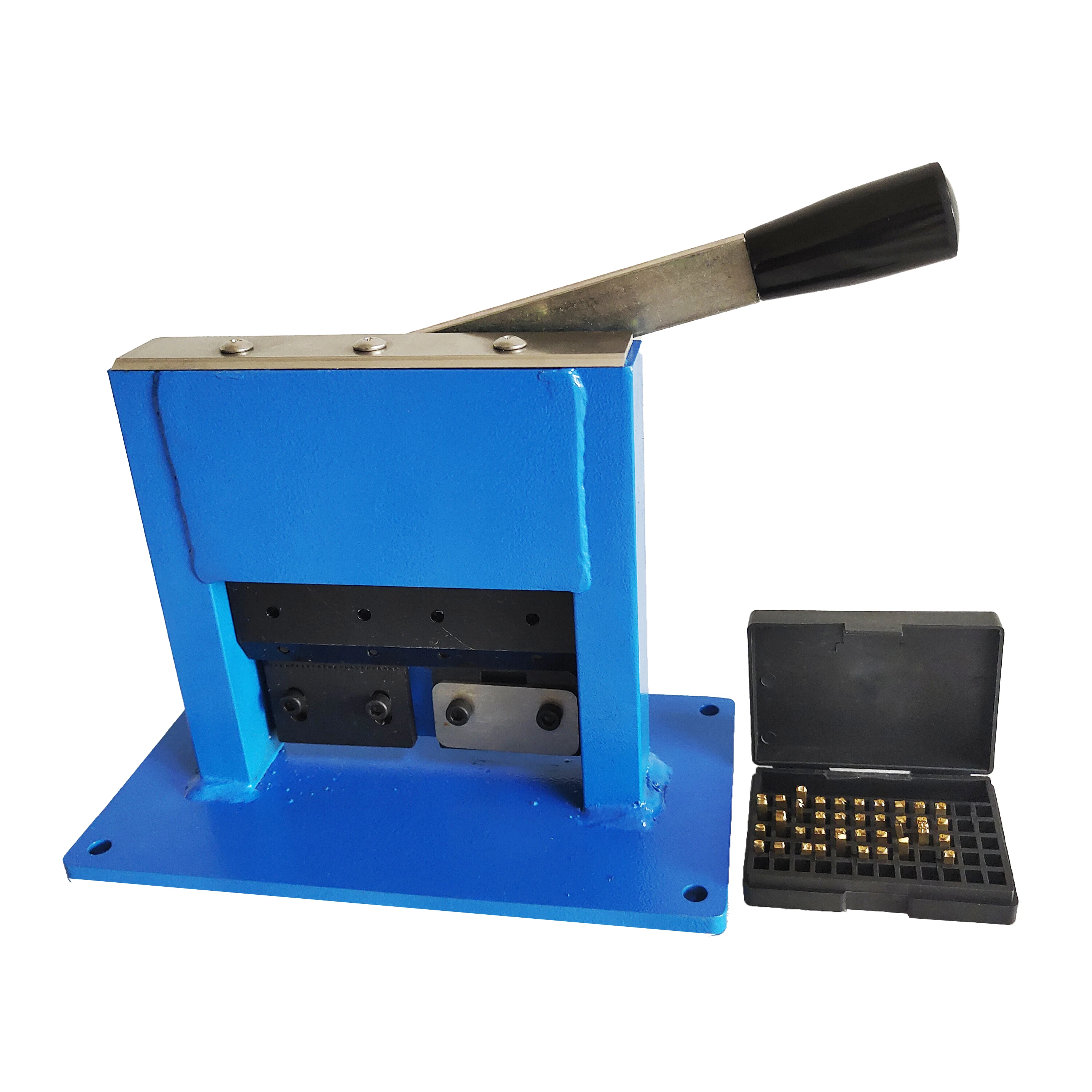
Source-controlled product identity
This TEBAK Hoting queue record describes a manual table-top tube sealing machine for toothpaste and other pipe products. The source title also uses the phrases pipe sealing tail machine, aluminium, plastic and an unclear term written as "Witaluminummbossing." Those expressions are preserved as source-level descriptions only. The record does not provide structured operating parameters, so this guide does not convert the title into unverified specifications.
Product ID 1601244327610 should appear on the quotation, machine drawing, sample approval record, packing list and spare-parts list. The source provides no verified tube diameter range, sealing temperature, heating method, cycle time, air pressure, power supply, sealing width, machine dimensions, weight, material grade, output or certification. Every one of those items must be confirmed by the supplier for the exact manual table-top configuration.
What the listing confirms - and what it does not
| Source statement | How a buyer should use it | What still requires confirmation |
|---|---|---|
| Toothpaste tube sealing machine | Use as the starting application description for tube tail sealing. | Tube material, filling media, tube diameter, sealing method, temperature range and finished-seal criteria. |
| Pipe sealing tail machine | Request a drawing showing the tail-sealing station and the product path. | Whether "pipe" means collapsible tube, rigid pipe, hose or another package format. |
| Manual | Expect an operator-assisted cycle unless the supplier states otherwise. | Hand operations, foot pedal or lever arrangement, cycle sequence, changeover time and operator safety controls. |
| Table top | Plan for bench installation and accessible manual loading. | Footprint, bench height, mounting holes, machine weight, clearance and required work surface. |
| Aluminium and plastic | Ask whether the machine can process both claimed tube material families. | Material-specific tooling, heating profile, sealing pressure, compatibility tests and finish requirements. |
| Unclear source term: Witaluminummbossing | Keep the wording in the inquiry as a clarification point. | Correct technical meaning, intended process, spelling, tooling and whether it refers to embossing or another operation. |
Define the packaging application before requesting a quotation
A tube sealer is selected around the package, product and required seal. Start the RFQ with actual tube samples or a dimensioned drawing. State the tube body material, shoulder construction, cap style, tail shape, nominal diameter, wall thickness, filled length and the product inside the tube. Toothpaste, cosmetic cream, gel, adhesive, paint and other pastes may behave differently during sealing because residue at the tail changes the process window.
Ask the supplier whether the machine is intended for aluminium tubes, plastic tubes, laminated tubes or a narrower material class. The source title mentions aluminium and plastic but does not state that one set of tooling handles both. Request a material compatibility matrix and a sample test for each tube construction that matters to the buyer.
Clarify whether the required result is a flat heat seal, folded aluminium tail, crimped tail, ultrasonic seal, hot-air seal, coded tail or another finish. The phrase "sealing tail" is not enough to determine the mechanism. Ask for photographs or drawings of an accepted finished tube and compare them with the buyer's packaging standard.
Confirm whether the machine only seals pre-filled tubes or also performs filling, tail trimming, date coding, embossing or batch marking. The listing title does not prove that any of these additional operations are included. If the unclear source term refers to embossing, require a separate description of the embossing station and its tooling before adding it to the purchase order.
Tube dimensions and tooling boundary
No tube diameter, tube length, tail width or wall-thickness range is supplied. Request a dimensioned working range for the exact model. Include minimum and maximum outside diameter, filled tube length, empty tube length, tail length, wall thickness, shoulder geometry and the distance from the product surface to the sealing area.
Ask how tooling is changed between tube sizes. Request the number of change parts, adjustment points, approximate changeover time, required tools, calibration method and spare tooling price. A manual table-top machine may use replaceable jaws, guides, dies, clamps or heating blocks, but none of those components should be assumed until shown in a drawing.
Send at least three representative tube sizes for a factory test. Ask the supplier to run each size with the buyer's intended fill level and to record loading orientation, tail alignment, seal appearance, seal width, leakage result and operator steps. Keep the samples from the test as the approval reference.
Confirm whether tube centering is manual or guided. Ask for the locating method, repeatability and tolerance of the tail position. If the package has a printed artwork or a seam that must face a defined direction, request orientation control and a visual inspection method.
Manual operating sequence
Ask for a step-by-step operating diagram. It should show tube loading, product-height check, tail positioning, clamping, heating or forming, dwell, release, inspection and removal. The source only says manual and table top; it does not establish whether a hand lever, foot pedal, electrical trigger or timed control is used.
Confirm which actions require two hands and where pinch points exist. Request the location of guards, hot surfaces, emergency stop, isolation switch and any interlock. If the design uses a hand lever, ask how the operator controls force and dwell consistently. If a foot pedal is included, confirm whether it is guarded and whether accidental activation is prevented.
Define the operator's expected cycle. A manual sealer may require one operator per station, but staffing depends on loading, alignment, heating, inspection and packing. Request a timed demonstration using real tubes, then separate active machine time from manual loading and quality-check time. Do not publish or purchase against an output estimate that is not recorded in the source data and demonstrated in a test.
Request an English operating manual with setup photographs, cleaning instructions, tooling diagrams, fault handling and safe isolation steps. Confirm whether the manual is supplied in print, digital form or both. Include the agreed language and document version in the quotation.
Sealing method and process control
The source does not identify the sealing technology. Ask the supplier to state whether the machine uses heated jaws, hot air, impulse heating, ultrasonic energy, mechanical crimping or a combination. Request a process diagram and identify every parameter that the operator can set.
For a heated process, ask for heater type, temperature range, temperature sensor, controller resolution, warm-up time, temperature stability, dwell-time range, contact pressure and cooling behavior. For an impulse or ultrasonic process, request the relevant energy, power, frequency, pressure and cycle controls. For mechanical aluminium forming, request die geometry, forming stages and acceptable tube alloy or temper.
Do not infer a sealing temperature from the phrase toothpaste or from a general material name. Different plastic laminates and aluminium constructions require different conditions. Test the buyer's actual tube and record the selected settings, ambient conditions, fill residue and result. Require the supplier to identify which values are starting points and which are operating limits.
Ask how the machine prevents product contamination in the seal area. Request cleaning access around the jaws, residue removal instructions, compatible cleaning agents and replacement intervals for contact parts. If the product is cosmetic, pharmaceutical, food-related or otherwise regulated, ask the buyer's compliance team to define the necessary hygiene and traceability controls.
Seal quality and acceptance criteria
Define the finished tail using measurable criteria. Depending on the package, the buyer may need a specific seal width, fold shape, tail height, coding position, leak result, peel behavior, appearance and alignment. The source provides none of these criteria, so the purchase file should contain an approved sample and a written inspection method.
Request a factory acceptance test using production-intent tubes and fill material. Inspect the start-up samples, steady-state samples and samples after a short interruption and restart. Check incomplete seals, wrinkles, burn marks, punctures, delamination, product leakage, tail deformation, contamination, misalignment and marking quality.
Ask whether the supplier can provide a leak-test method and sampling plan. A visual seal can appear acceptable while leaking under pressure or during transport. Agree on the test medium, pressure, duration, sample count and pass/fail rule. If the supplier lacks a standard method, record the buyer's method in the acceptance protocol.
For aluminium tubes, inspect the formed tail for cracks, sharp edges, over-compression and repeatability. For plastic or laminated tubes, inspect the seal for burn-through, weak bonding, delamination and distortion. Request separate acceptance limits for each material family rather than treating aluminium and plastic as interchangeable.
Materials, surfaces and tool life
The listing mentions aluminium and plastic but provides no material grades or tooling materials. Ask for the compatible aluminium alloy or tube specification, plastic or laminate construction, coating, printed surface and acceptable contamination level. Confirm whether the tooling contacts the tube body, tail, sealant or product.
Request the material and surface finish of sealing jaws, forming dies, guides and clamps. Ask whether contact parts are coated, replaceable or hardened, and which parts are considered wear items. Obtain part numbers, unit prices, recommended stock and estimated replacement intervals based on a stated number of cycles.
Ask the supplier to explain how adhesive, cream, paste or toothpaste residue is removed without damaging the tooling. Confirm whether tools can be removed without losing alignment. Include a cleaning and changeover demonstration in the factory acceptance test.
If embossing or code marking is required, request the exact character set, marking area, font, depth, change parts and inspection method. Because the source term is unclear, do not describe the unit as an embossing machine unless the supplier confirms this function and supplies a drawing.
Electrical, pneumatic and bench requirements
No voltage, frequency, power, current, air pressure, air consumption, plug type or phase is provided. Request a complete nameplate and utility sheet for the exact machine. Confirm the buyer's destination-market requirements before approving a quotation.
If the machine uses compressed air, ask for operating pressure range, air quality requirement, inlet size, consumption per cycle, filter-regulator-lubricator arrangement and drain procedure. If it is fully manual, ask the supplier to confirm that no air or electrical utility is required beyond any optional heating system.
Request machine footprint, height, net weight, center of gravity, bench-load requirement, mounting-hole pattern and operator clearance. "Table top" describes intended placement but does not establish whether the unit can be used without anchoring. Ask for a bench drawing and installation instructions.
Confirm heat dissipation and ventilation requirements if a heated sealer is used. Ask where the hot surface is located, how the machine is protected during transport and whether thermal insulation or a guard is included. Do not add a temperature or power figure without the supplier's exact technical sheet.
Packaging, shipping and incoming inspection
Request gross packed weight, carton or crate dimensions, packing materials, moisture protection, shock indicators and lifting instructions. The queue record supplies none of these values. Shipping quotes and warehouse planning should use the supplier's final packing list, not an assumed table-top size.
Specify how the machine, heating parts, dies, guides, manuals and spare parts are separated and labeled. Product ID 1601244327610 should be visible on the outer label and documentation. Ask for photographs of the packed machine before shipment.
At incoming inspection, check the model identity, visible damage, included tooling, cable or air fittings, safety guards, labels, manuals and spare parts. Compare the received configuration with the approved drawing. Do not start a heated or powered test until the machine has passed a basic safety inspection.
Factory acceptance test proposal
- Confirm product ID 1601244327610, model description, exact manual table-top configuration and drawing revision.
- Verify the working tube materials and sizes using the buyer's aluminium, plastic or laminated samples.
- Demonstrate the complete manual cycle from loading to sealed-tail removal, including any hand lever, foot pedal, heating or forming action.
- Document the actual sealing method and every controllable parameter; do not accept an undefined "tail sealing" description.
- Run start-up, steady-state and restart samples, recording alignment, seal appearance, leakage result and operator steps.
- Test any claimed aluminium and plastic capability separately, using approved samples and separate pass/fail criteria.
- Demonstrate changeover between at least two buyer-relevant tube sizes and record tooling, time and adjustment requirements.
- Inspect guards, hot surfaces, pinch points, isolation, emergency stop and cleaning access before sign-off.
- Verify gross packing data, included parts, manuals, spare tooling and the final nameplate before dispatch.
RFQ checklist
- Exact model, machine drawing and product ID 1601244327610 on the quotation and packing list.
- Definition of "tube," "pipe," "tail sealing" and the source term "Witaluminummbossing."
- Compatible tube material: aluminium alloy, plastic, laminate, coating, wall thickness and printed surface.
- Minimum and maximum tube diameter, length, tail length, shoulder geometry and fill level.
- Sealing method: heated jaw, impulse, hot air, ultrasonic, mechanical forming or another process.
- Temperature, dwell time, pressure, energy, cooling, control resolution and stability, as applicable.
- Manual cycle: loading method, lever or pedal, operator actions, cycle definition and changeover steps.
- Sealing width, fold or crimp geometry, tail height, alignment tolerance, leakage test and appearance criteria.
- Tooling material, jaw or die design, change parts, tool-life expectation, spare parts and prices.
- Voltage, frequency, power, current, phase, plug, air pressure, air consumption and utility requirements.
- Machine footprint, height, net and gross weight, bench load, mounting holes and operator clearance.
- Guards, hot-surface protection, emergency stop, isolation, pinch-point controls and cleaning procedure.
- English manual, technical drawing, parts list, electrical or pneumatic diagram and training support.
- MOQ, lead time, warranty, sample-test terms, packaging, spare parts, inspection and after-sales response.
- Applicable safety documents, declarations, labels and destination-market compliance for the exact configuration.
Buyer decision framework
This listing is a starting point for sourcing a manual table-top tail-sealing machine for toothpaste or other tube products. Its source-backed scope is limited to the product-title statements: toothpaste tube sealing, pipe sealing tail, manual, table top, aluminium and plastic, plus the unclear source wording "Witaluminummbossing." Approve the purchase only after the supplier defines the process, proves compatibility with the buyer's actual tubes, supplies missing utilities and dimensions, demonstrates seal quality, and signs the acceptance criteria.
Frequently asked questions
Is this machine confirmed to seal both aluminium and plastic tubes?
The title mentions aluminium and plastic, but no structured compatibility range or test result is supplied. Request separate samples and written confirmation for each tube construction.
What does "Witaluminummbossing" mean?
The source wording is unclear. Ask the supplier to correct the term and explain whether it means aluminium embossing, forming, coding or another operation.
Is this a fully automatic tube line?
No. The source describes the machine as manual and table top. Confirm the actual loading, sealing, removal and inspection steps before estimating labor or output.
What tube sizes can it process?
No diameter or length range is provided. Request a dimensioned working range and a sample test with the buyer's actual tubes.
Does the listing include heating, filling or coding?
The queue record does not establish these functions. Request a configuration drawing and a written list of included and optional modules.
Source and contact
This guide is based on the Hoting queue record for product ID 1601244327610. Before purchase, request the current quotation, tube-compatibility matrix, process drawing, utilities sheet, sample seal report, safety documents, packing list, spare-parts offer and final machine photographs. For sourcing questions, contact the TEBAK sales team through the site's current inquiry channel.