
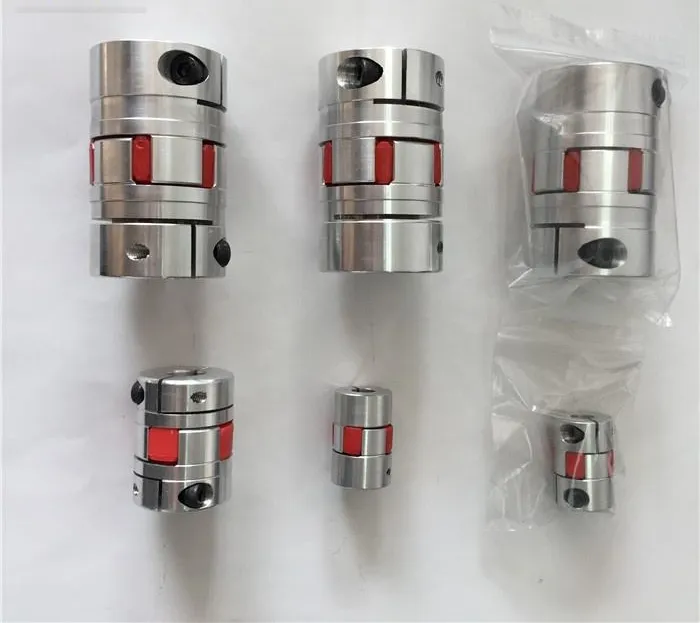
XL Rotex Coupling, 40-420 mm OD, L66-L475, for servo drives
Request pricing, MOQ and lead time for this product — we reply within 24 hours.
Construction
| Type | Flexible |
|---|---|
| Structure | Jaw / Spider |
| Material | Aluminum |
| Flexibility | Flexible |
| Body material | Aluminum Alloy |
Size
| Length | L66 - L475 |
|---|---|
| Outside diameter | 40 mm - 420 mm |
Performance
| Rated torque | 2000 N·m |
|---|---|
| Maximum speed | 5,000 rpm |
Supply
| Standard | Standard |
|---|---|
| Customized support | OEM, ODM |
| MOQ | 1 Set |
| Packing | Carton |
Application
| Colour | Customized |
|---|---|
| Coupling type | CNC Stepper Motor Shaft Couplings |
| Usage | Cnc Part |
Values above are the manufacturer's published figures for this series. Anything not listed — dynamic load rating, straightness, preload class — is confirmed against the drawing at RFQ.
Description
Overview
An XL size Rotex type coupling with an outside diameter from 40 mm to 420 mm, an overall length from L66 to L475, a rated torque of 2,000 N·m and a rated speed of 5,000 rpm. This is the largest size class in the jaw coupling family and the one used where a drive carries a real industrial load: a main drive on a conveyor or a mill, the input of a large gearbox, a pump or a fan on a process line, or a shaft that transmits the output of a motor of tens of kilowatts. The principle is the same as on a small coupling, with curved jaws and an elastomer star, but every dimension is scaled to carry the torque without the star being crushed.
Key Features
· Type: Flexible
· Rated torque: 2000 N·m
· Maximum speed: 5,000 rpm
· Structure: Jaw / Spider
· Material: Aluminum
· Standard: Standard
· Supplied as a replacement part or as a production item for machine builders
· Material, tolerance and surface treatment confirmed against the drawing
Specifications
The parameter table above lists the values published for this item. Where a value depends on the machine it is going into, the drawing or the RFQ fixes it, and we confirm before production rather than after.
Application
The outside diameter range from 40 mm to 420 mm spans the sizes in the family, and the length range from L66 to L475 spans the body lengths that go with them. The largest sizes are not simply scaled up versions of the small ones: the jaw geometry, the number of arms in the star and the hub wall thickness all change as the torque rises, and the star is a substantial moulded part with a hardness chosen for the duty. On drives of this size the coupling is a piece of capital equipment rather than an accessory, and the selection is made on the peak torque of the driven machine, not on the motor nameplate alone.
2,000 N·m is the working torque for the upper part of the range. Selection on a large drive starts from the driven machine: a conveyor starting fully loaded, a mill with a heavy rotor, a pump at its end of curve, or a fan with a high inertia all produce a starting torque well above the running value, and the star has to absorb that difference on every start. A star that is too soft for the duty will take a permanent set and lose its preload; one that is too hard will pass the shock into the gearbox, which is the more expensive part to repair.
The 5,000 rpm rating belongs to the smaller diameters in the range, since the large sizes turn slowly by nature. Where a large coupling is run at speed, balance becomes the governing requirement and the coupling should be balanced as part of the assembled shaft line rather than assumed to be balanced on its own. On most applications in this size class the speed is low enough that torque and misalignment, not balance, decide the design.
Applications: main drives on conveyors, bucket elevators and screw conveyors; mixers, agitators and extruders; pumps and fans; crushers and hammer mills; the input of large gearboxes; printing press and paper machine drives; crane and hoist mechanisms; steel and cement plant equipment; and test stands that apply a measured load. On each of these the coupling does three jobs: it transmits the torque, it absorbs the shock of starting and of a jam, and it isolates the driven machine from the vibration of the driver.
Installation & Maintenance
Installation on a drive of this size is a planned operation. The two shafts are aligned with dial indicators or a laser system before the coupling is fitted, and the alignment is checked again after the machine has run and reached working temperature, because thermal growth moves the shaft centrelines. The hubs are fitted with the agreed interference or clearance, the star is placed so the jaws engage without being compressed, and the assembly is turned by hand to confirm that the star passes through its tightest position without binding. Guards are then fitted, since an exposed coupling of this size is a hazard.
The star is the service part and the reason a jaw coupling is used on heavy drives: it can be replaced without moving either hub or breaking the shaft alignment, which on a large machine is the difference between a maintenance task and an outage. Wear shows as a set in the arms, cracks at the root, a polished working face, or a colour change from heat. A spare star of the correct hardness kept on site is normal practice, and the hardness should be recorded so the replacement matches the original design intent.
Ordering: outside diameter and body length, bore pair, star hardness, keyway and key size, the peak torque of the driven machine, the maximum speed, and the environment. Packing is by carton, with wooden boxes for larger sizes. Where the coupling replaces one on an existing drive, the shaft diameters, the distance between the shaft ends, the torque of the driven machine and a photo of the installed part are enough to identify the size, and a drawing can be issued for approval before production.
In the large size range this is sold as an XL shaft coupling or a Rotex type spider coupling, and the same geometry is called a jaw coupling or a plum coupling in other markets. The clamp hub and clamp screw are what hold the hub on a shaft of this size without a key, and the star is the service part that makes the coupling economical to keep in a plant. It does not offer zero backlash in the disc coupling sense: the star compresses under the starting torque of a heavy drive, and that compression is the shock absorption the driven machine needs.
Package & Lead Time
Standard export packing: each part is sleeved and cartoned, screws and rails are protected along their length, and larger assemblies travel crated. Lead time is confirmed with the quotation: standard sizes normally ship within 5 to 15 days of a confirmed drawing, custom parts against the agreed schedule. Minimum order is one piece, and sample orders are accepted before a production run.
Request a Quote
Send the model number or the drawing, with the shaft or rail size and the quantity you need, and we will reply with a quotation. For non-standard lengths, bore pairs, keyways and material changes we work from your drawing; bulk orders are quoted per quantity band and a sample can be supplied for approval.
Related components
Detail images
Questions buyers ask about this item
What bore sizes are available?
10mm.
What speed is it rated for?
5,000 rpm.
Can the bore be machined to my shaft?
Yes. Bore pairs, keyways and clamp sizes are machined to the drawing, including mixed bores on the two hubs.
Is the torque rating fixed?
Torque is quoted for the body and bore you order and is confirmed on the drawing.
Related products
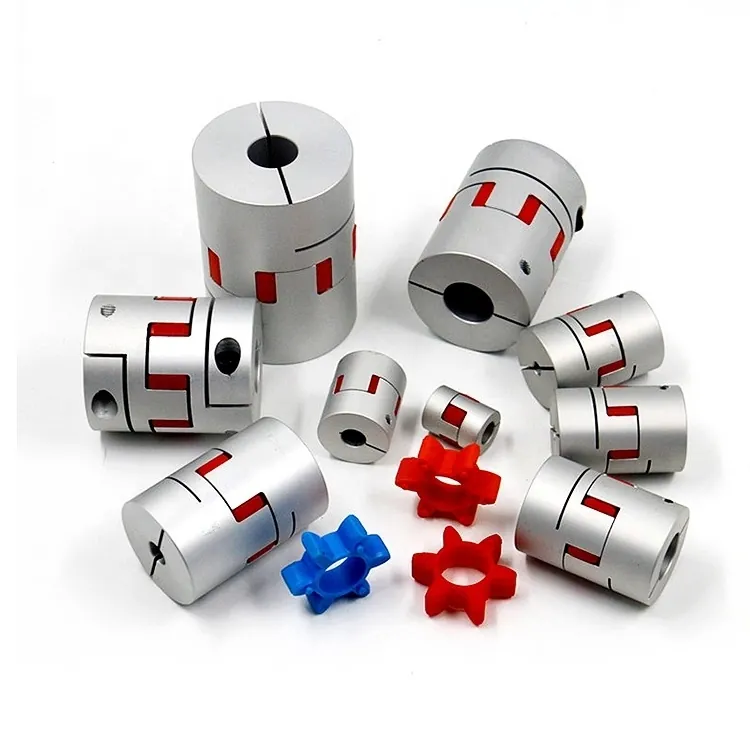
TEBAK High-strength Flexible Spider Jaw Type Clamping
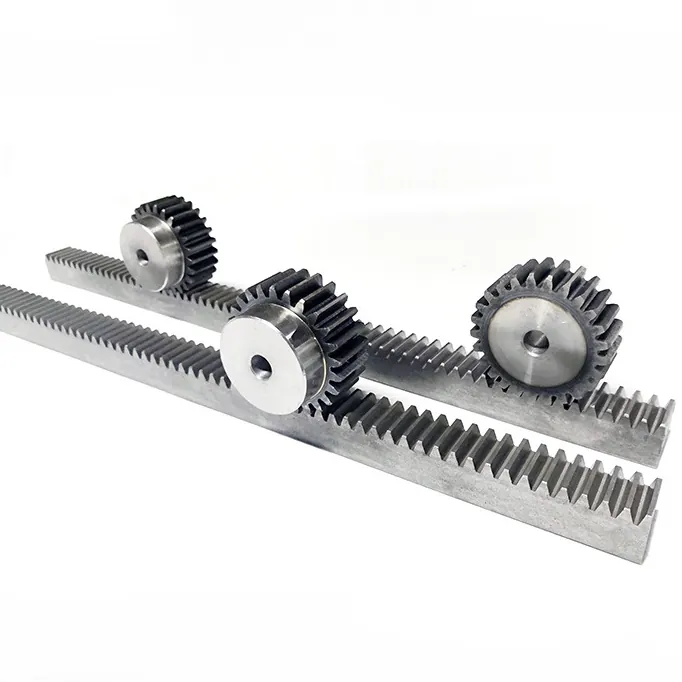
TEBAK Gear Rack, Straight Tooth M1 M2 M3 M4 M5 M6 Custom
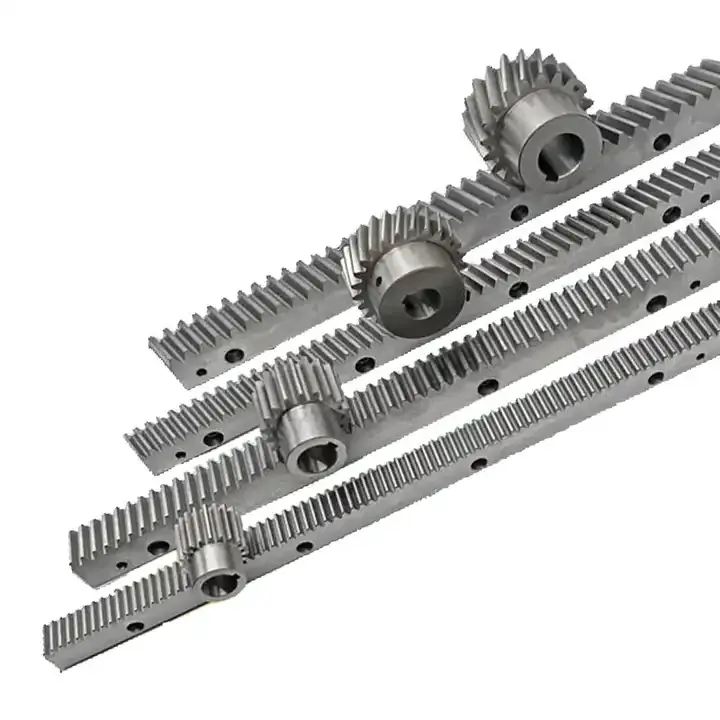
TEBAK Gear Rack, European Standard, Module Cut to Order
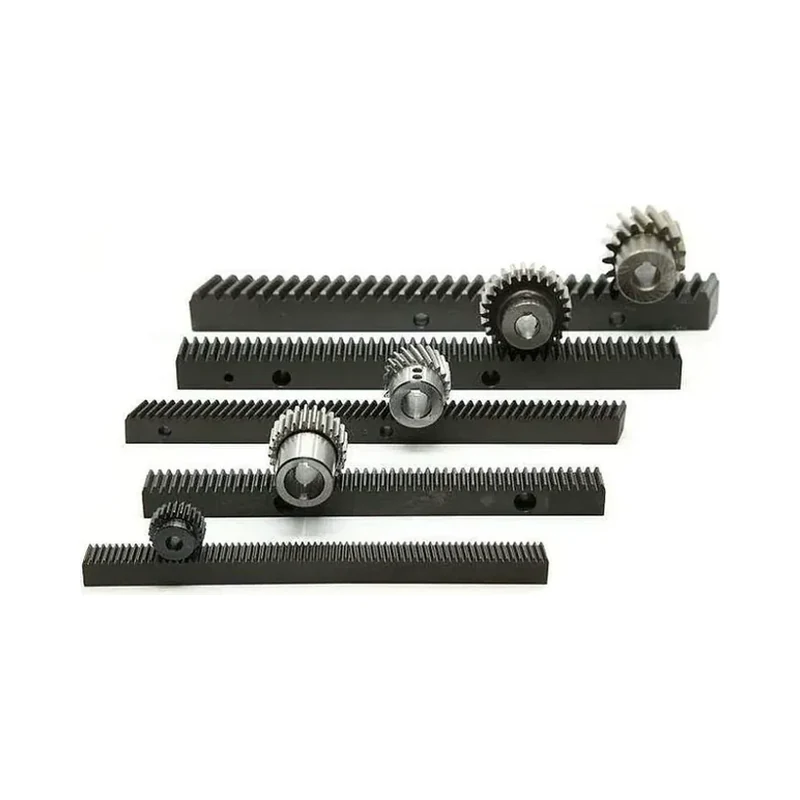
TEBAK Black Oxide Steel Straight Helical Gear Rack
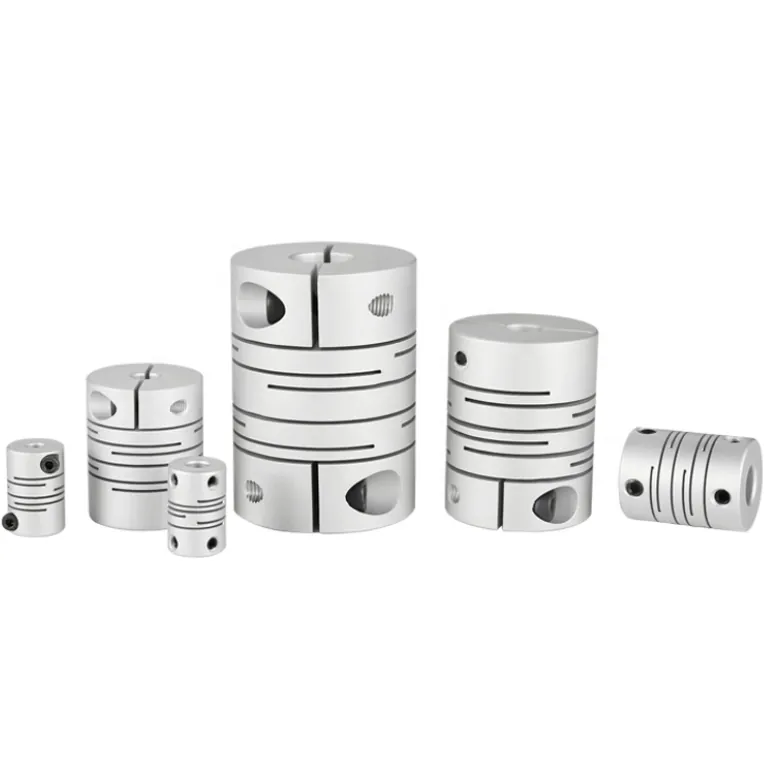
TEBAK Coupling, Grooved Parallel Line Coupler Aluminum
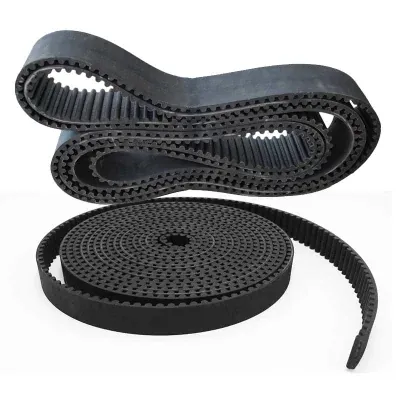
TEBAK Timing Belt, Open End Rubber or PU Industrial Belt
Interested in this product?
Send your details and we will respond within 24 hours.