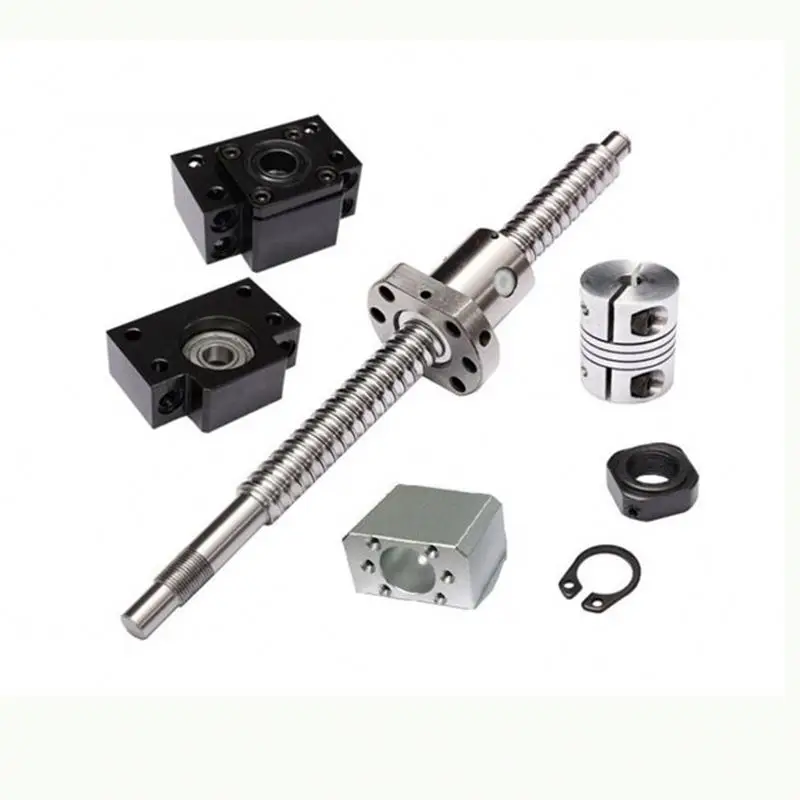
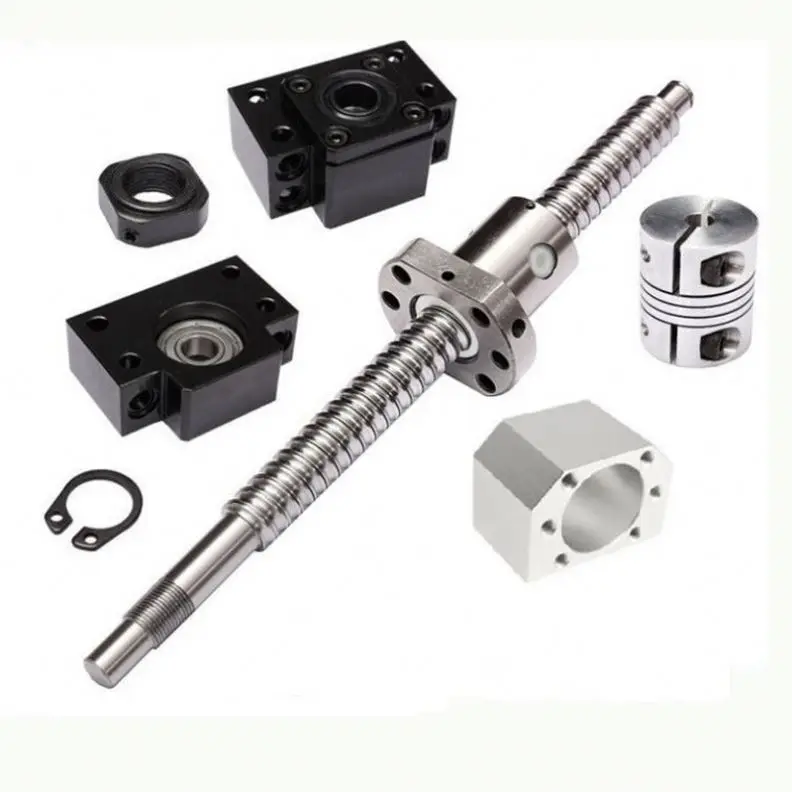
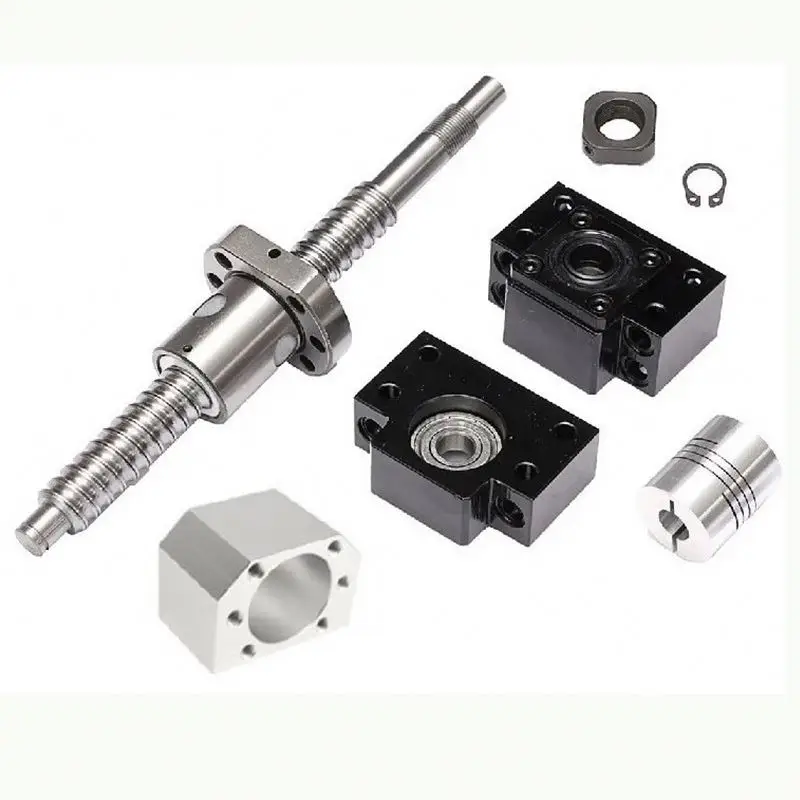
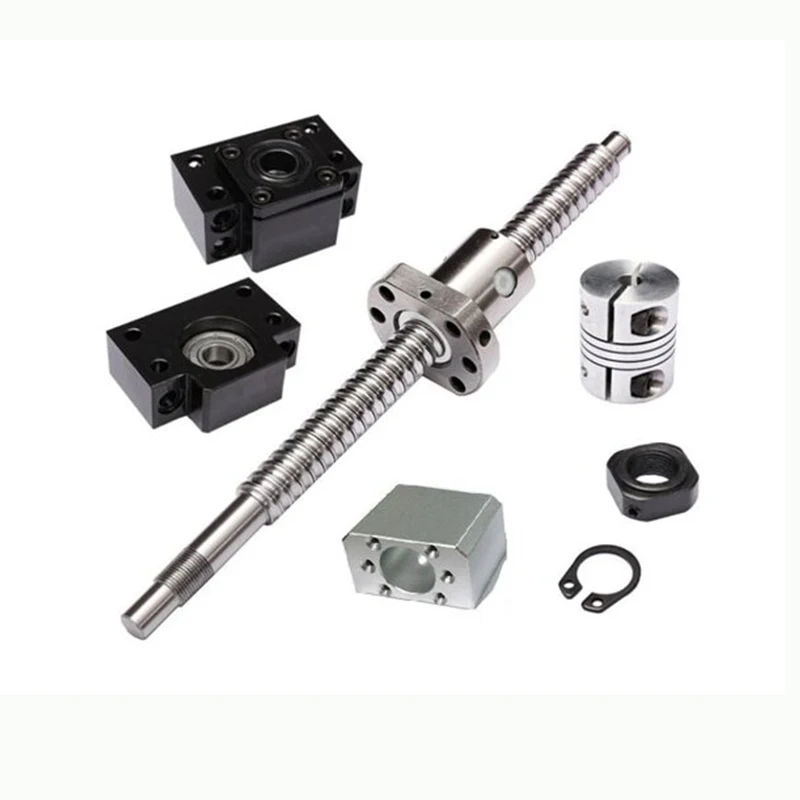
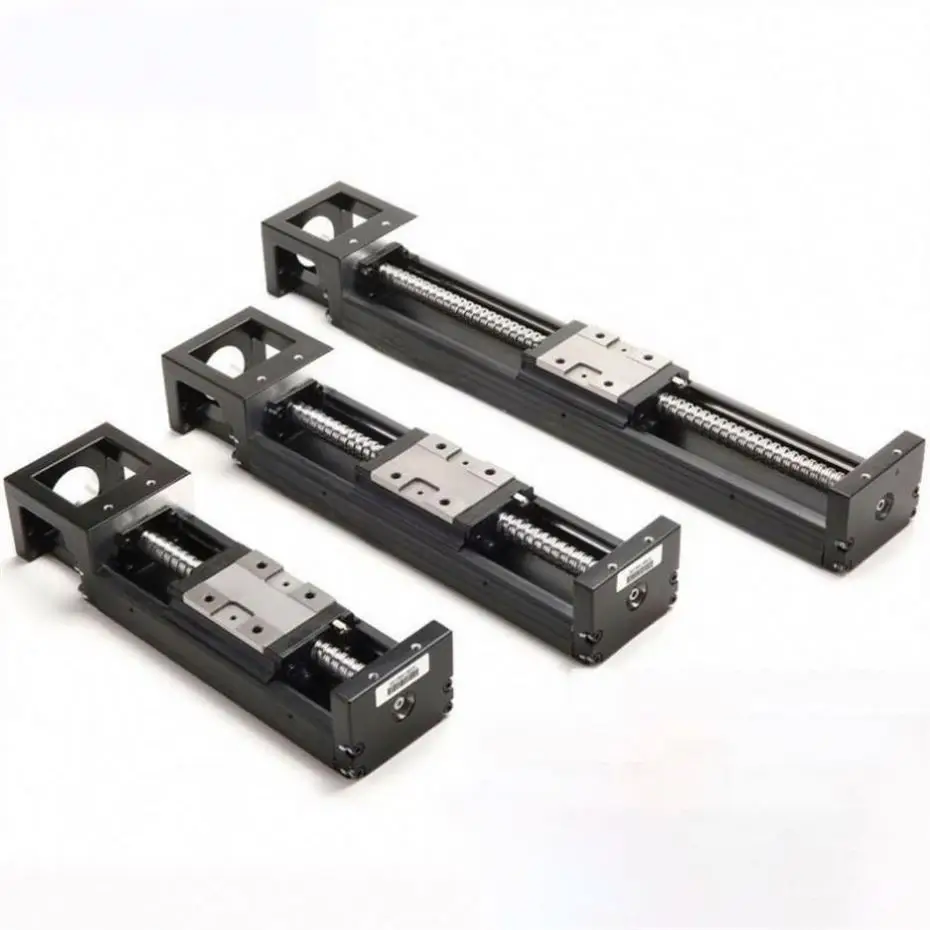
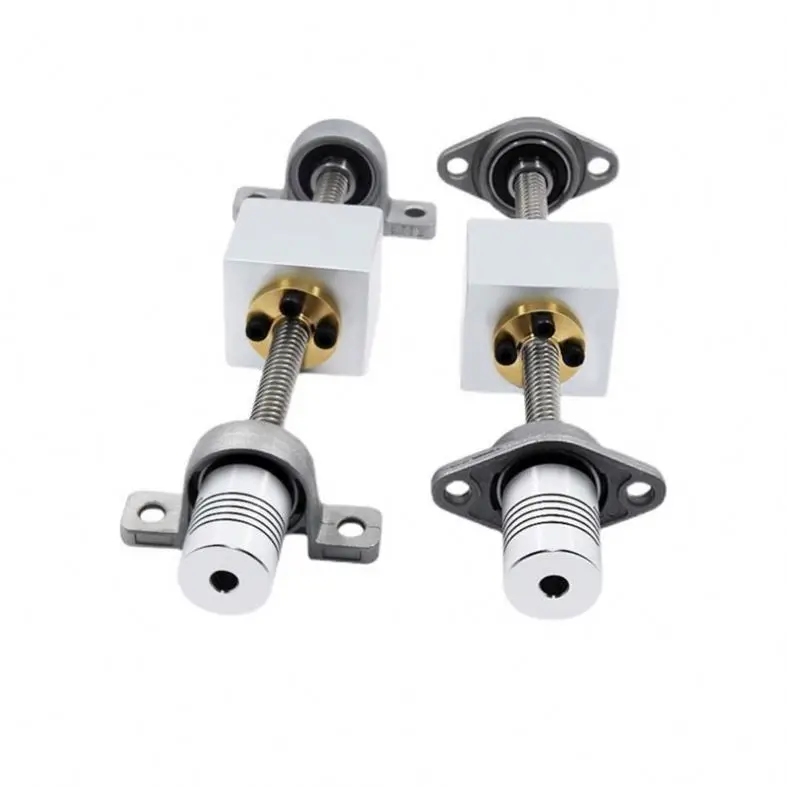
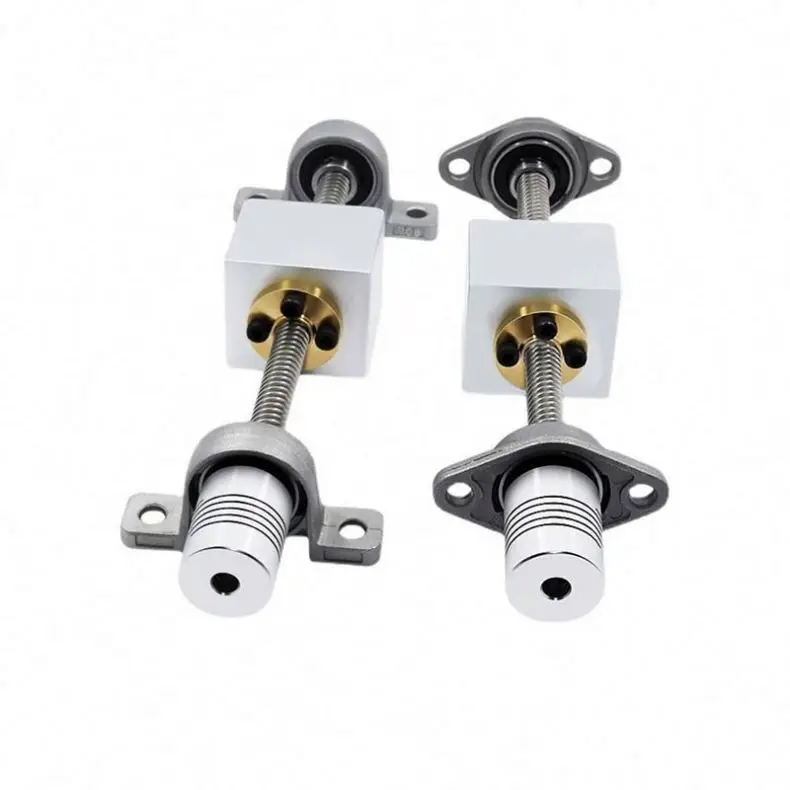
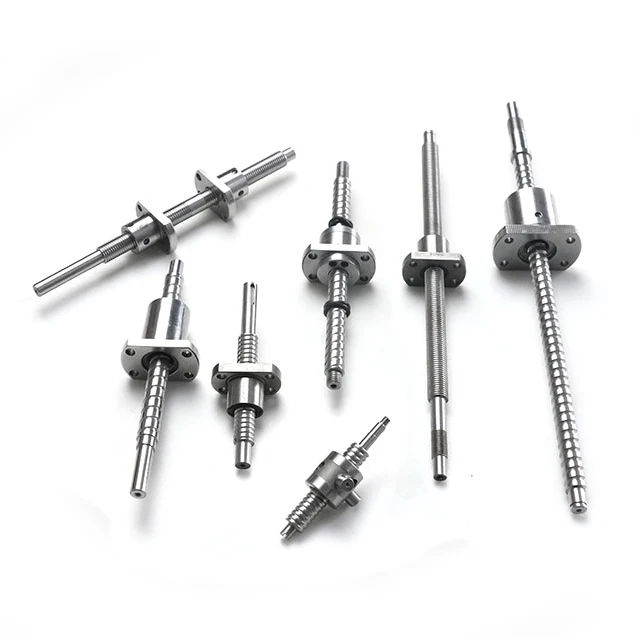
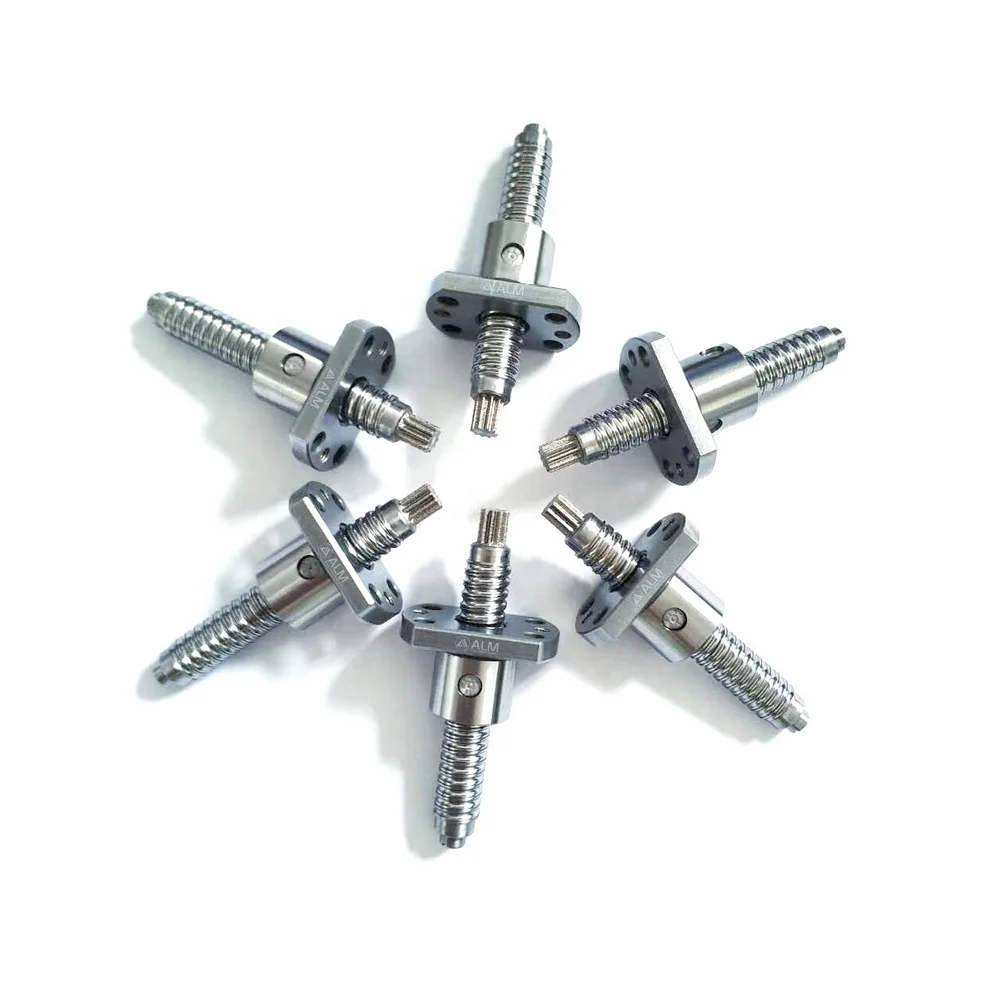
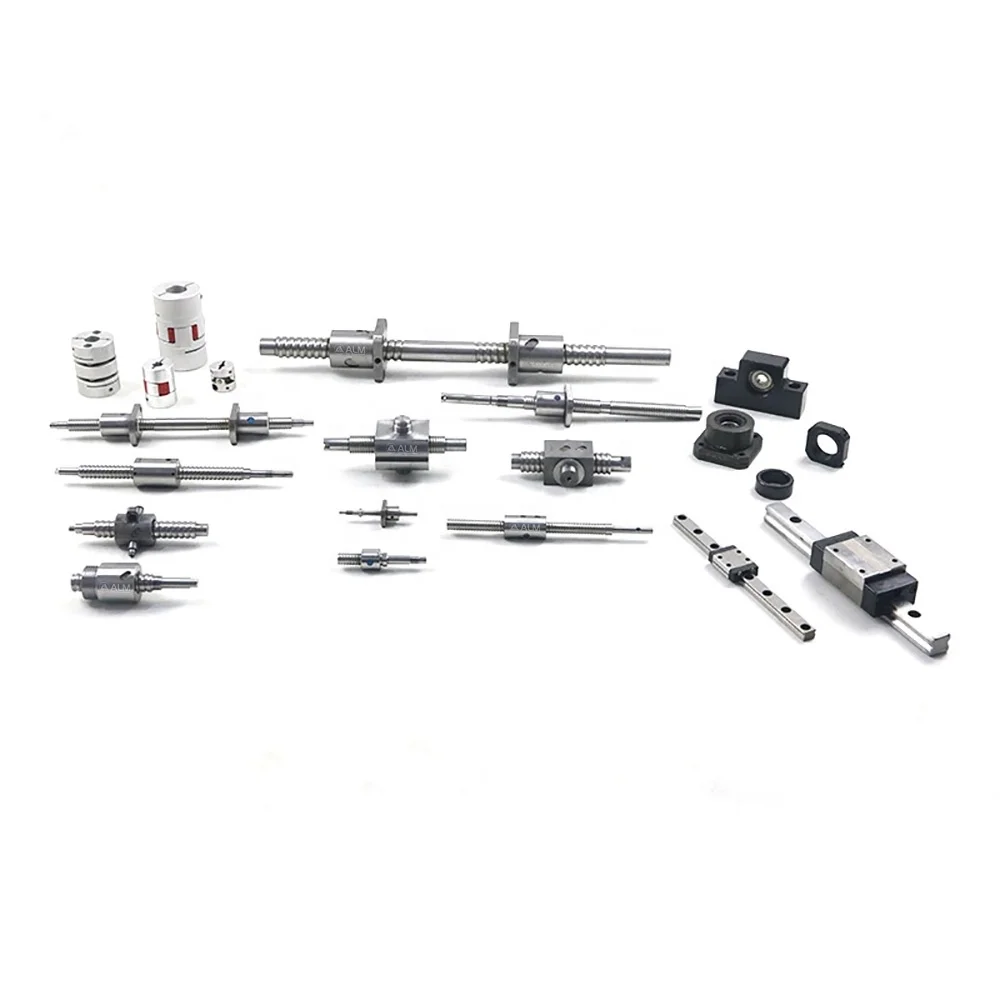
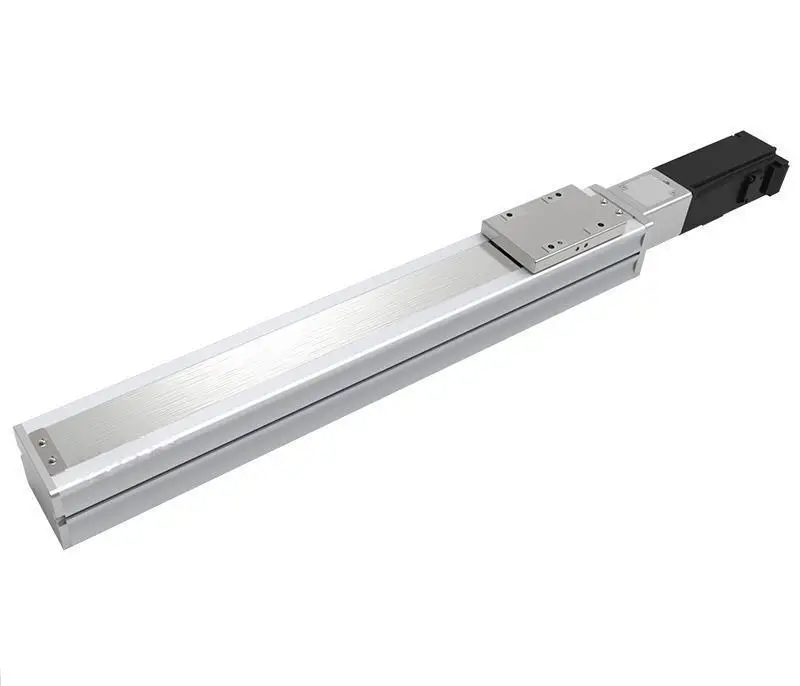
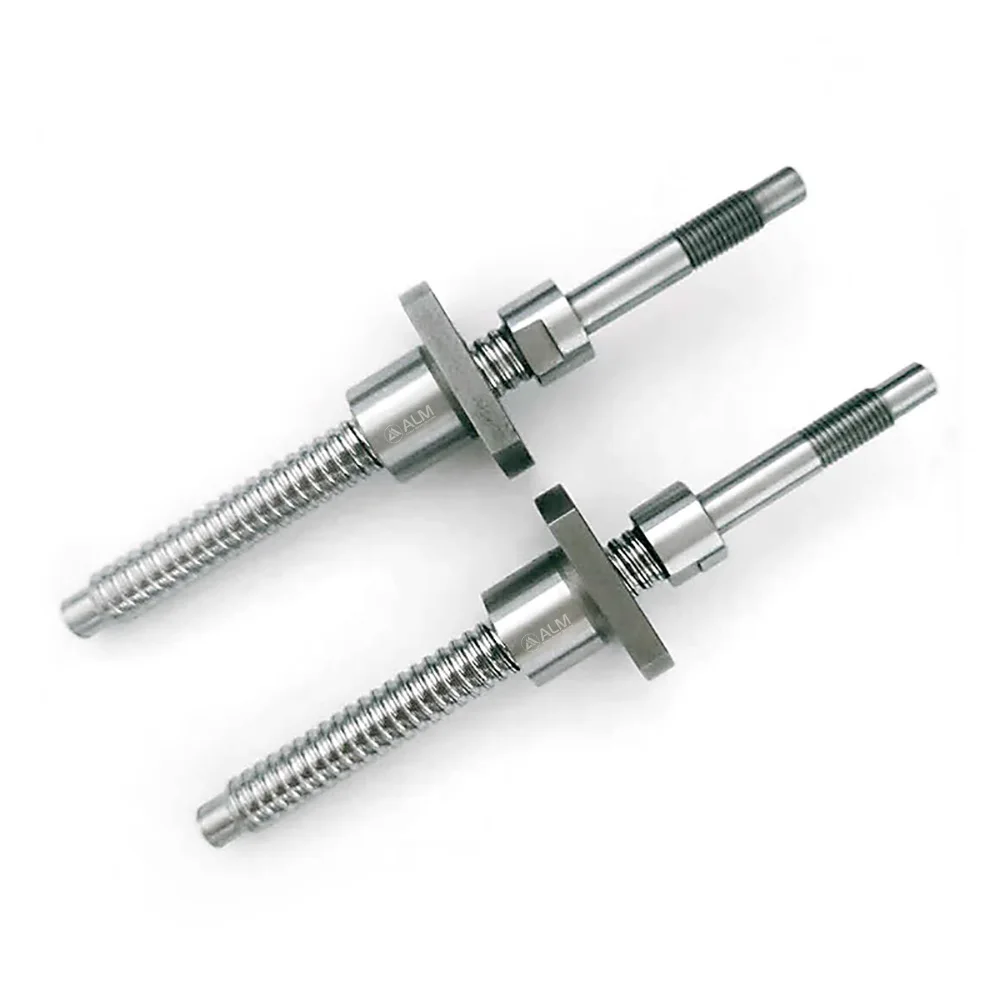
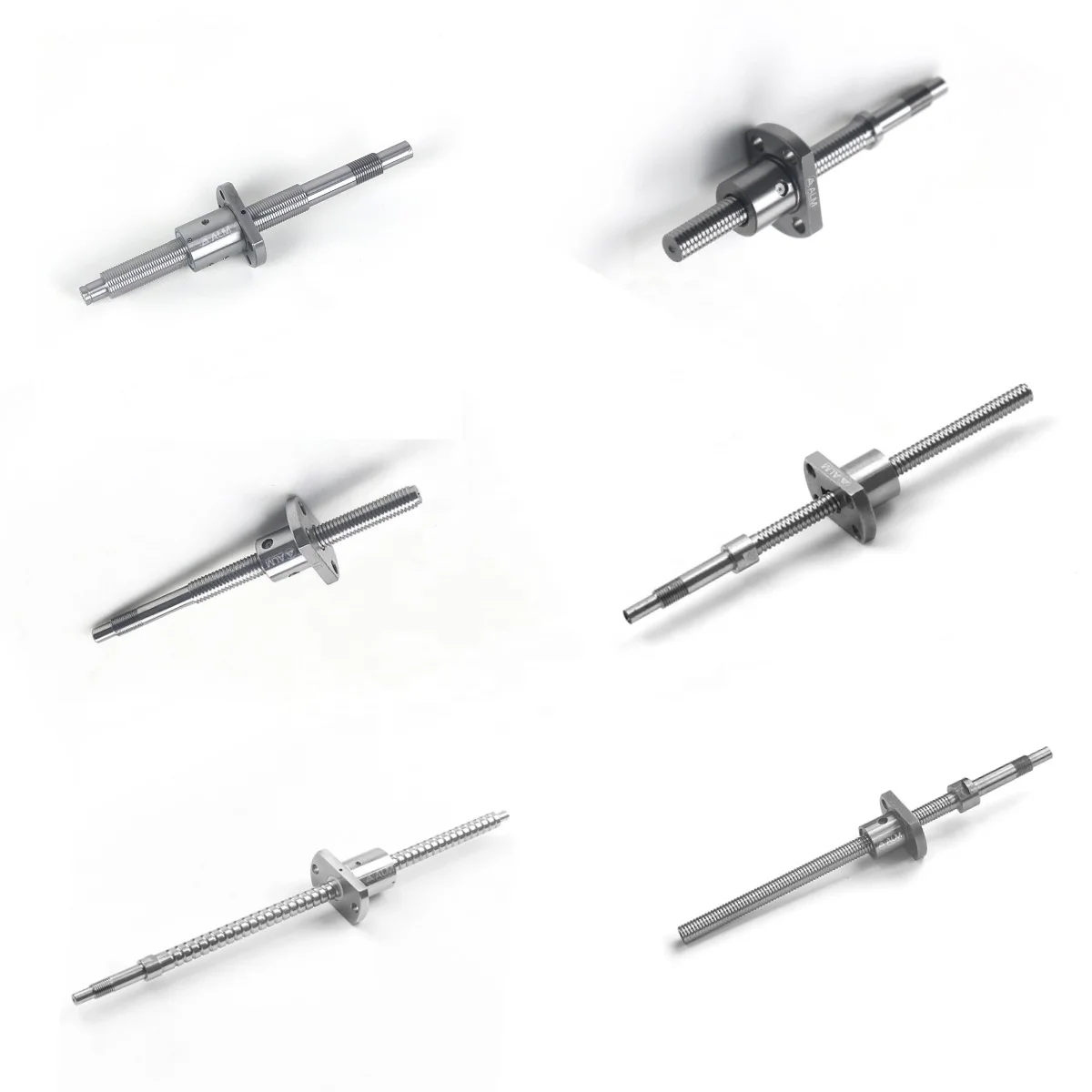
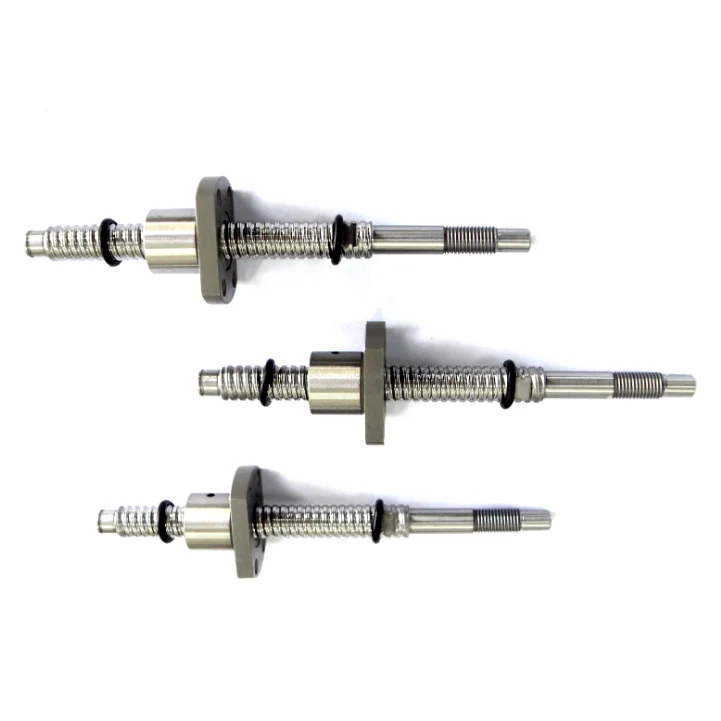
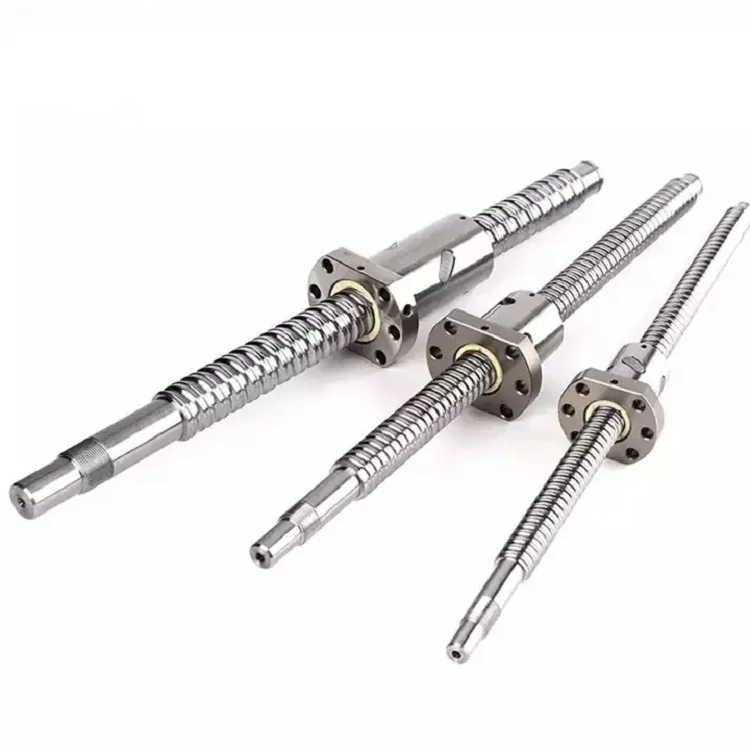
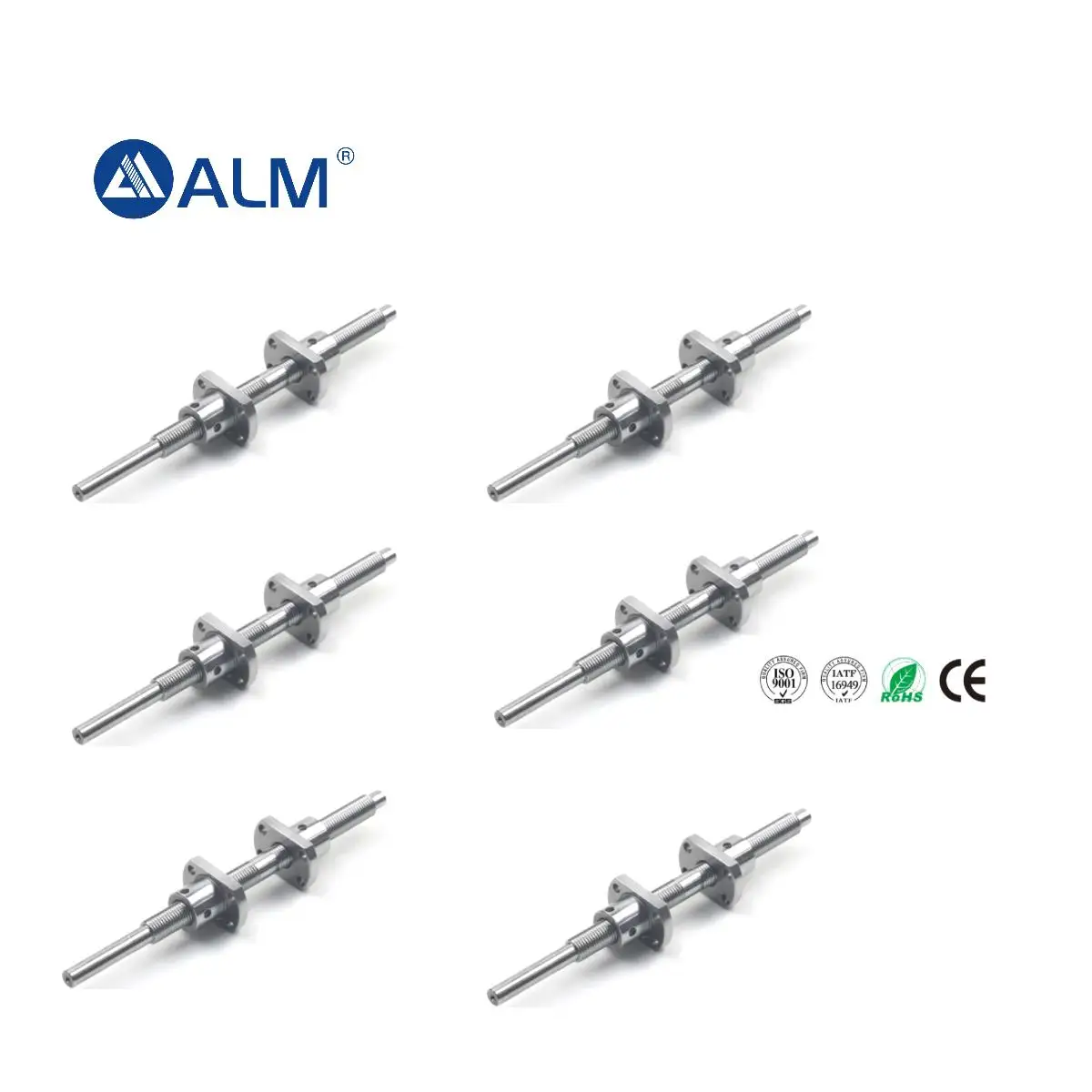
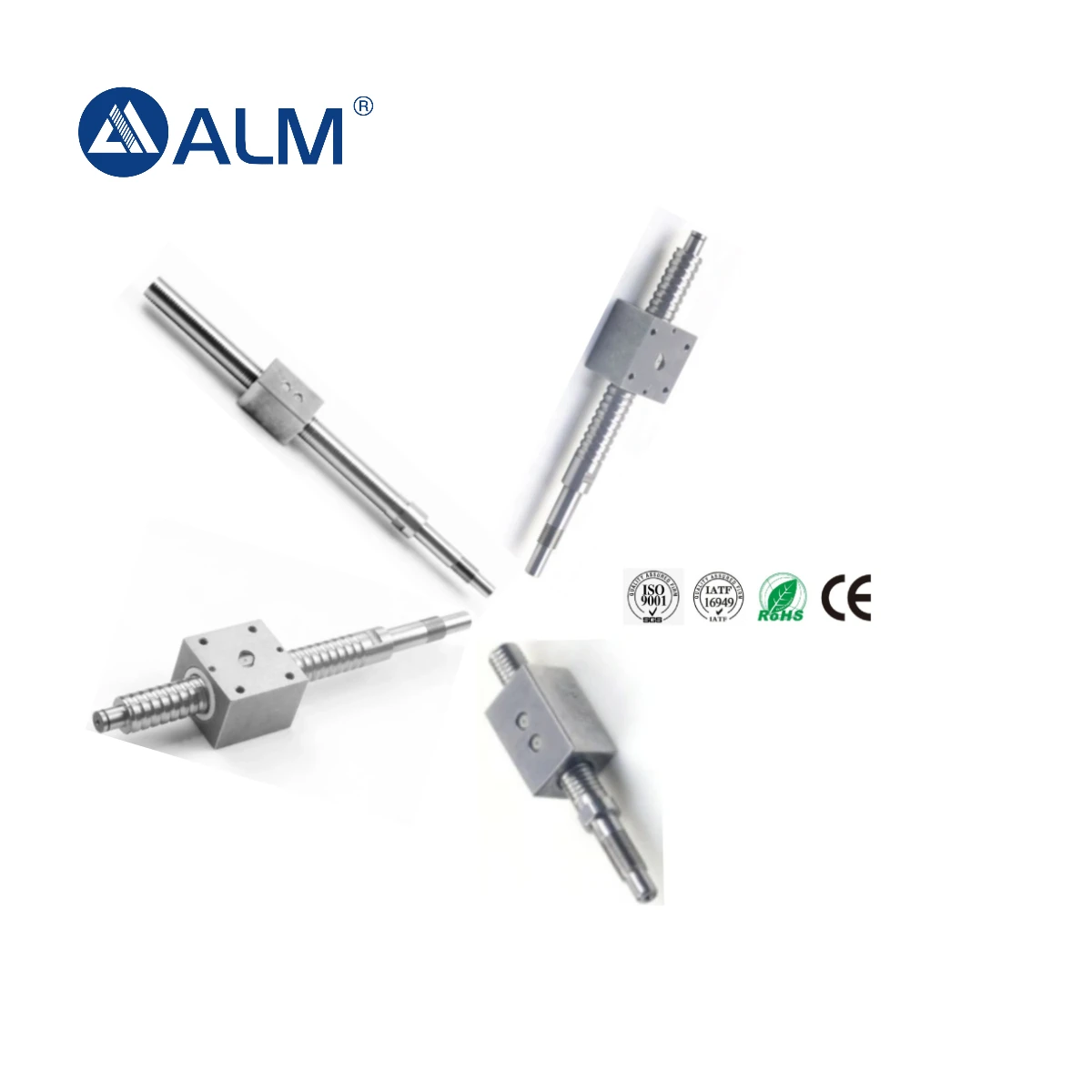
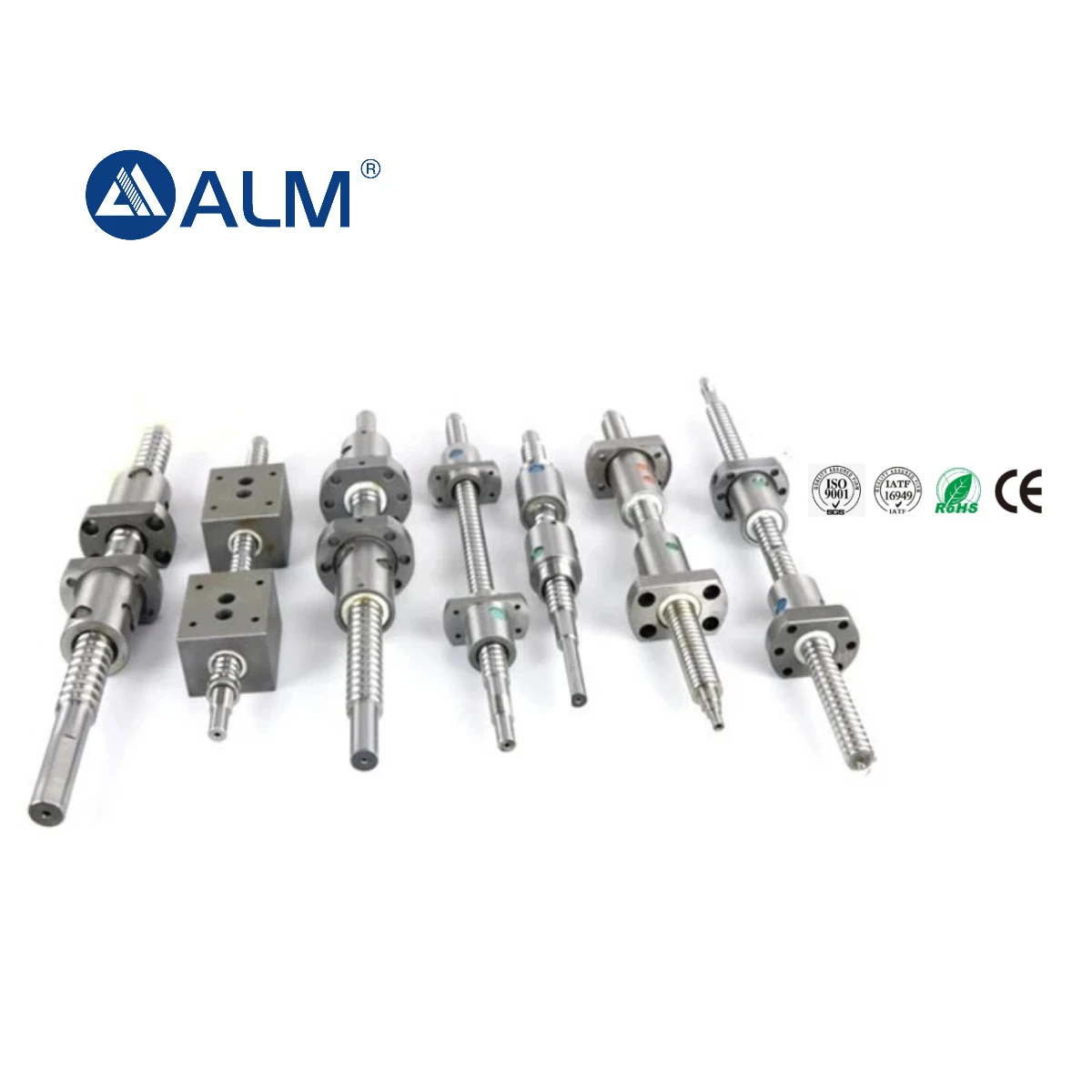
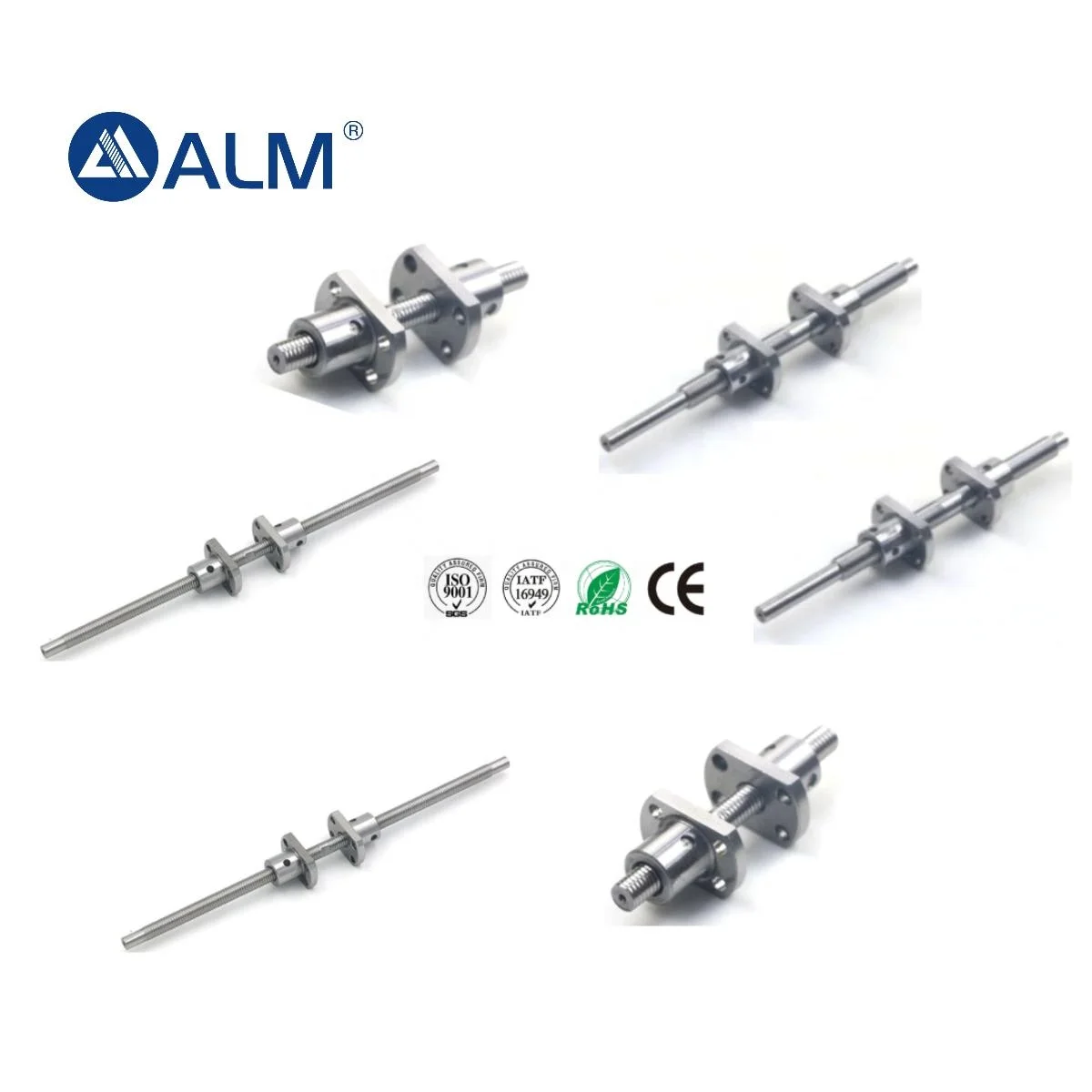
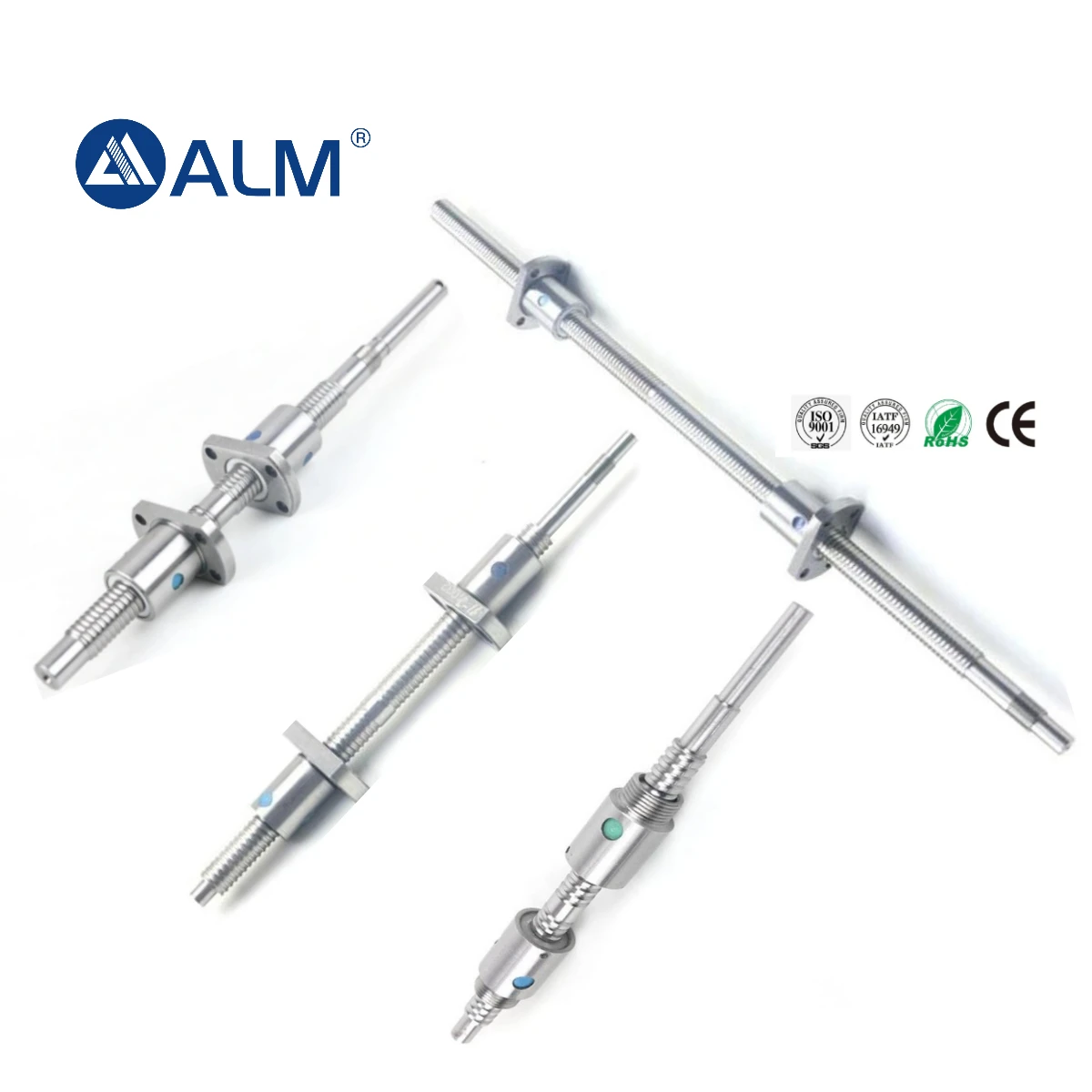
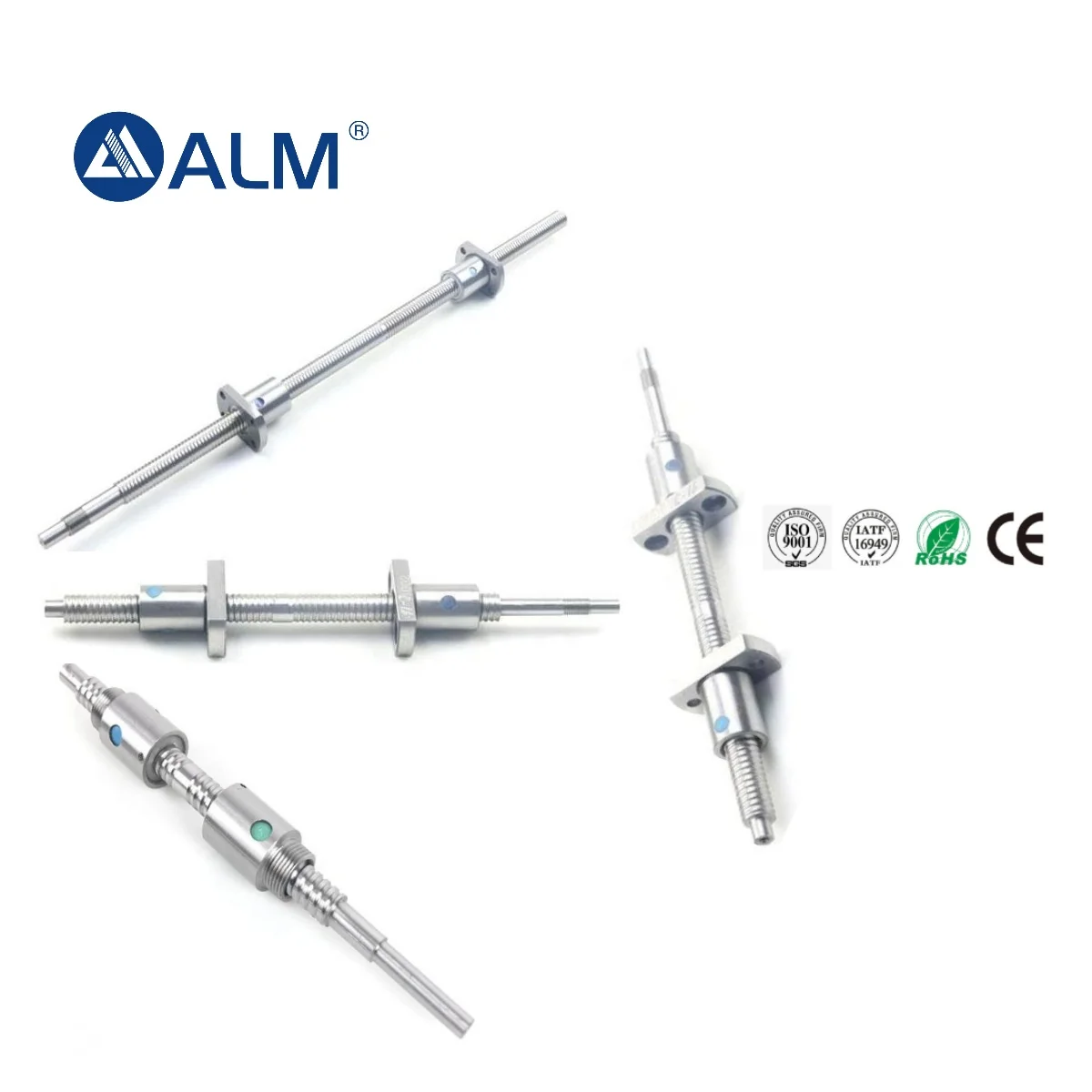
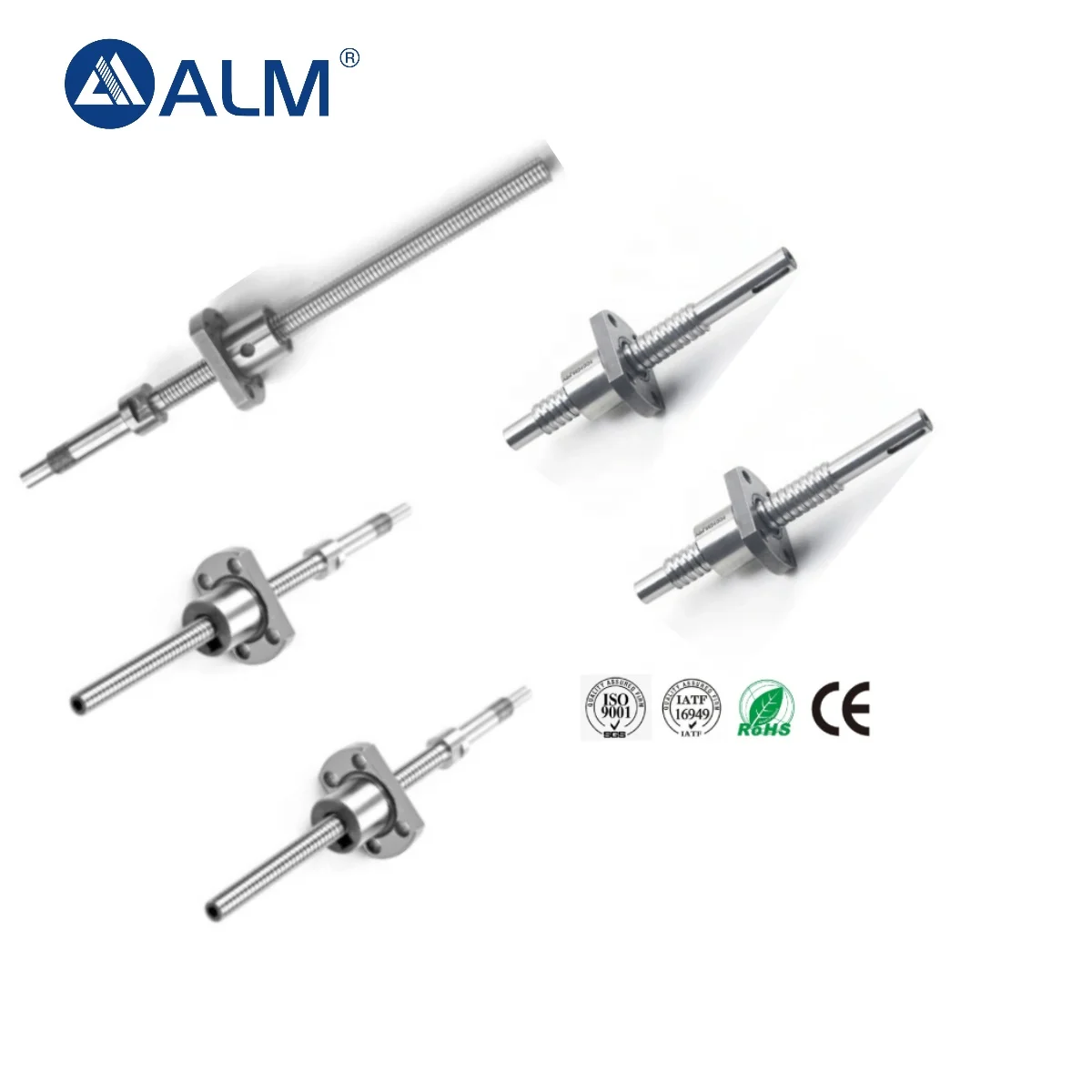
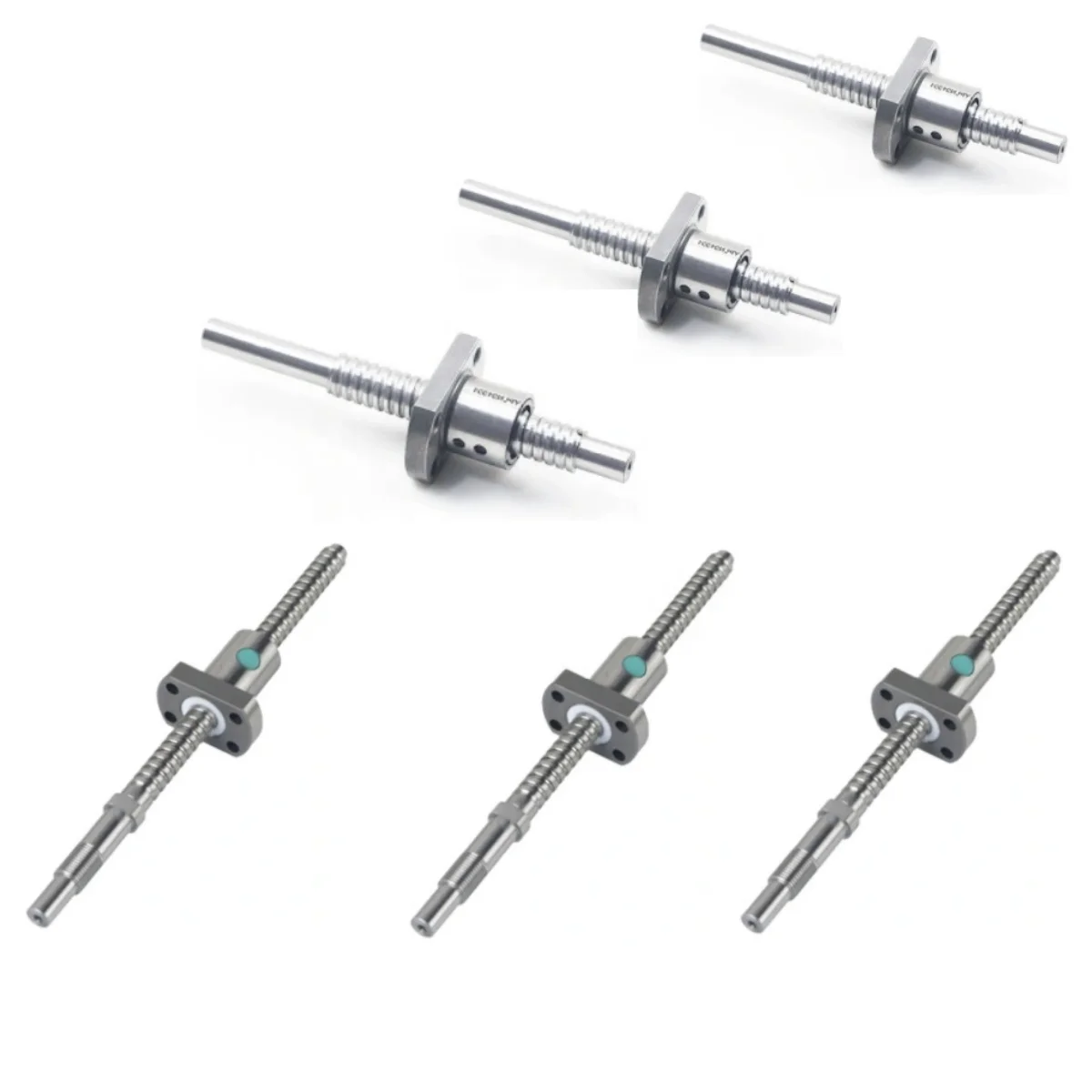
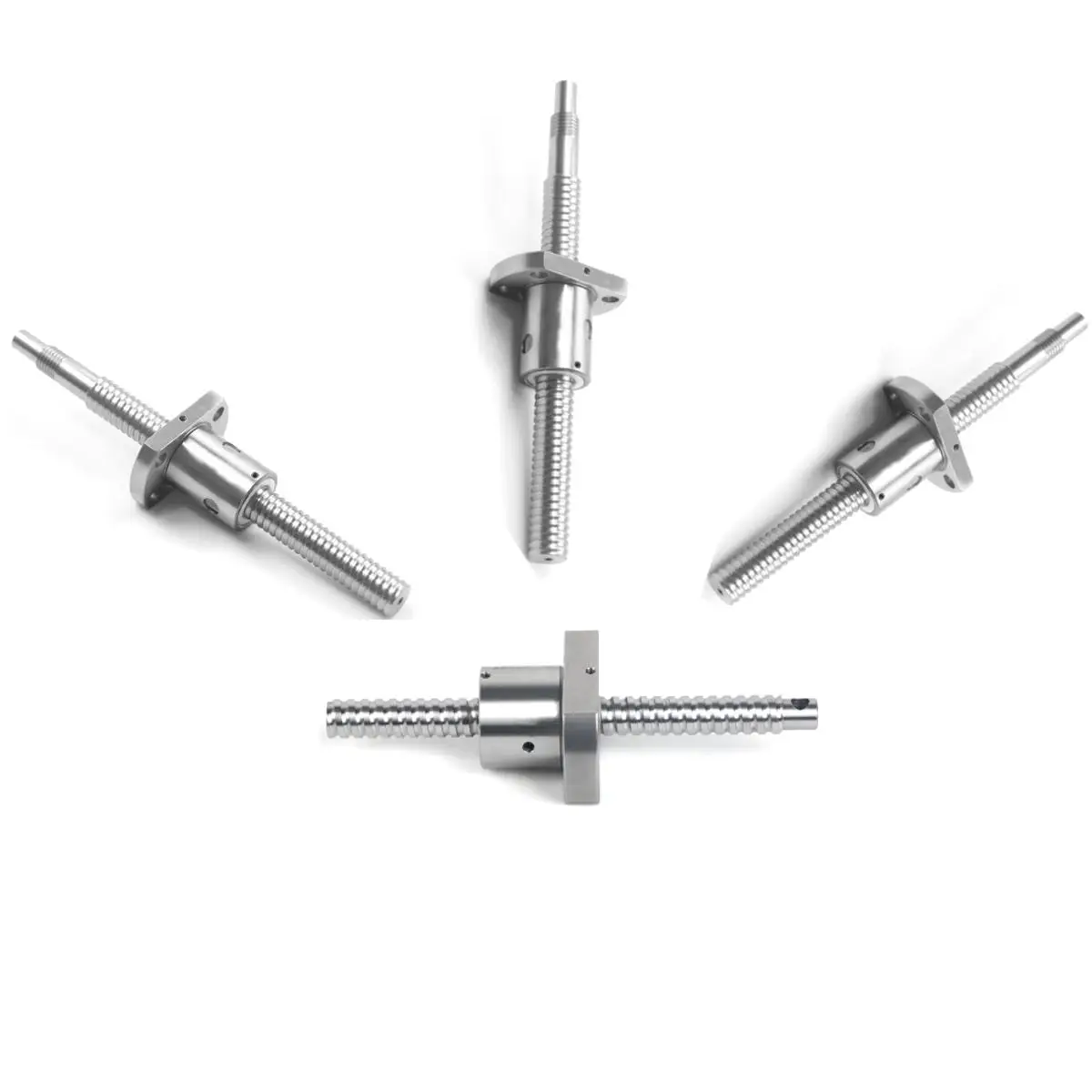
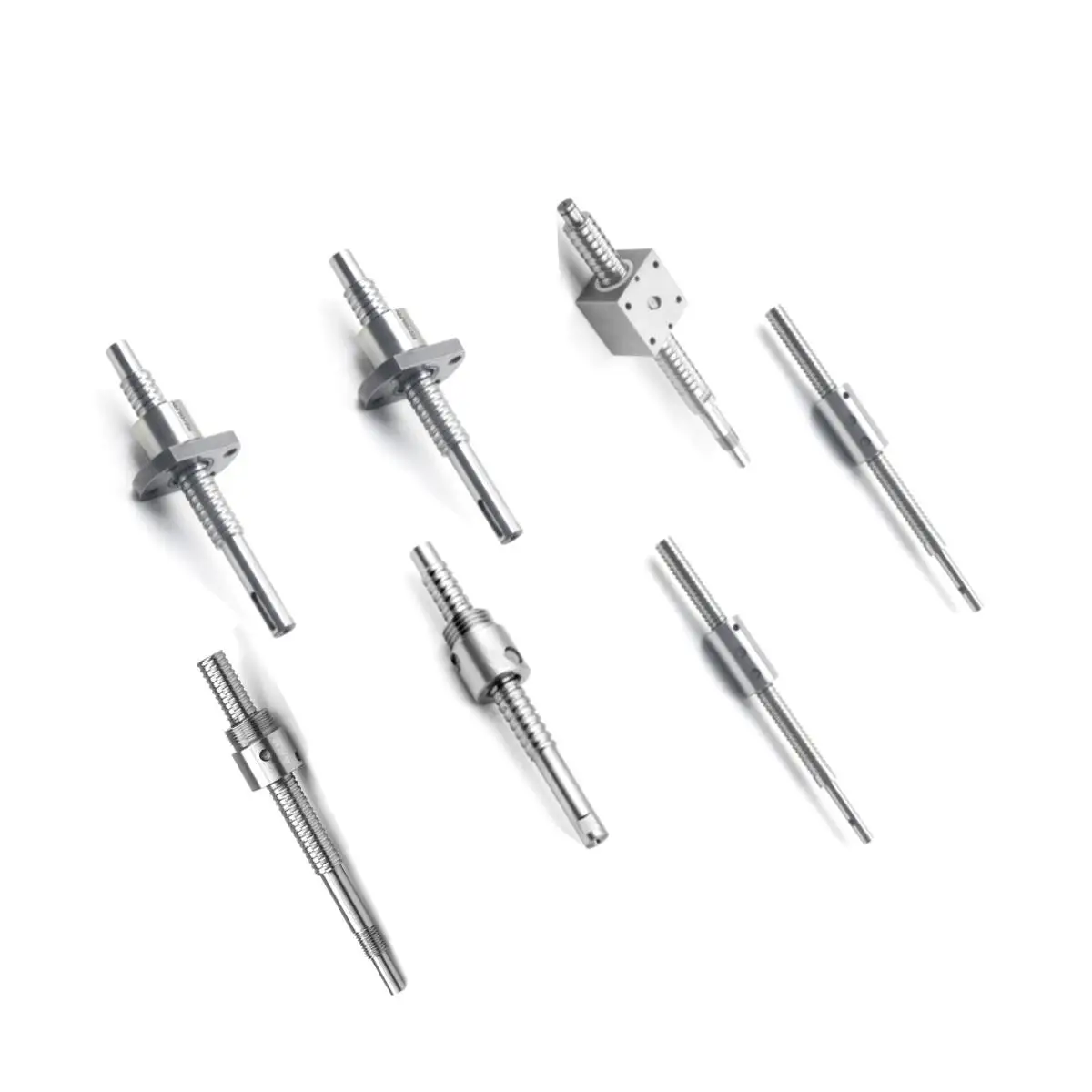
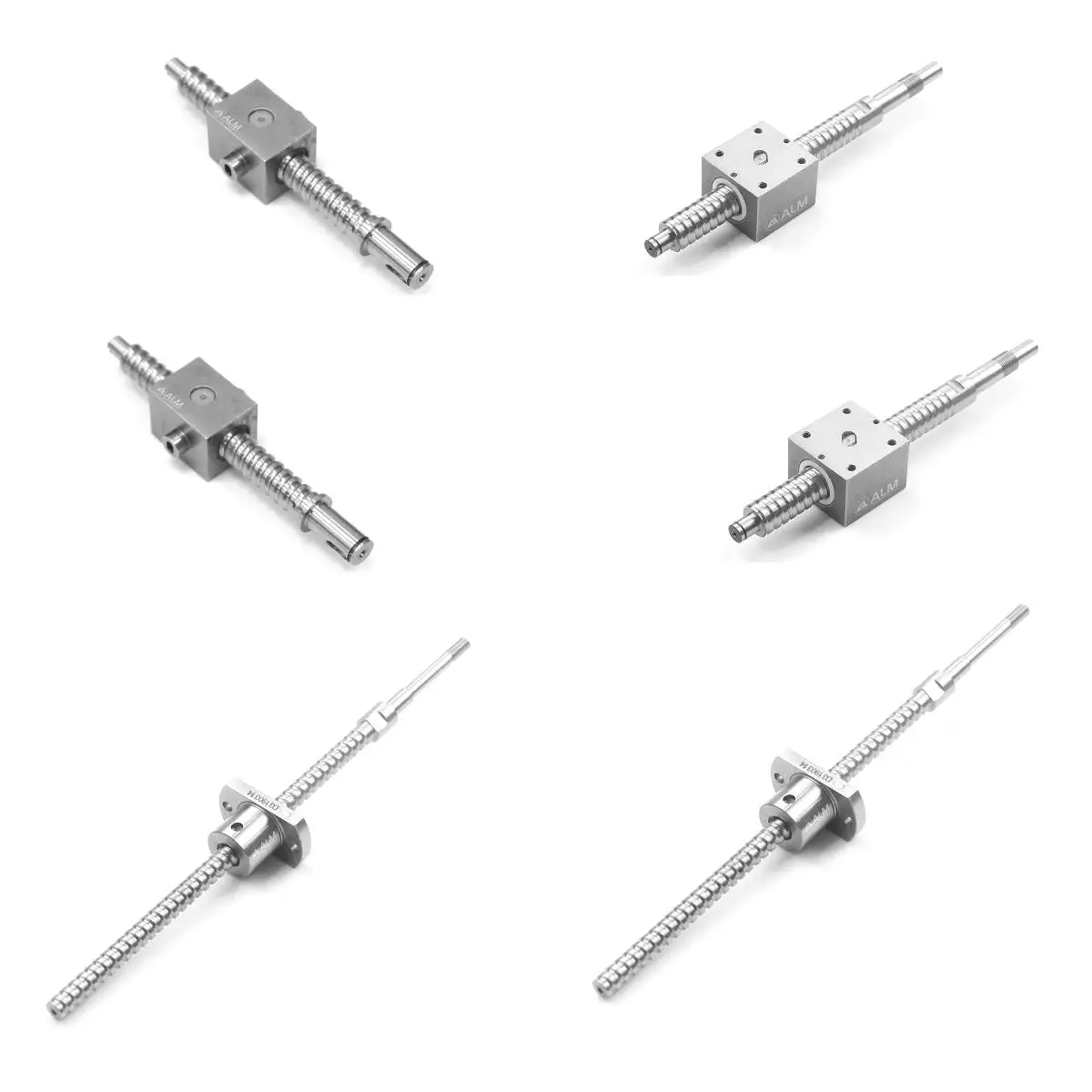
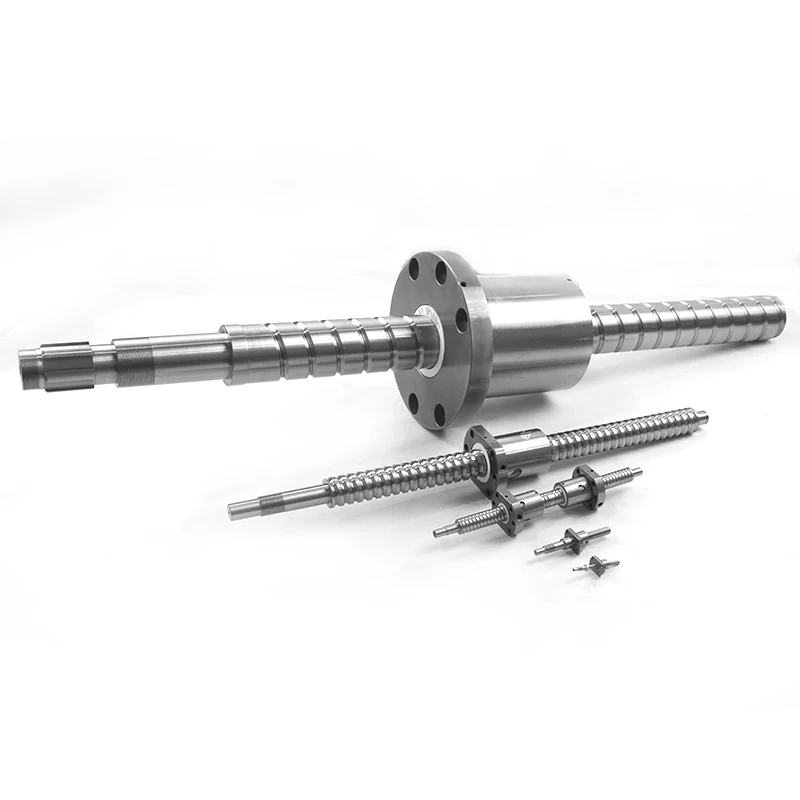
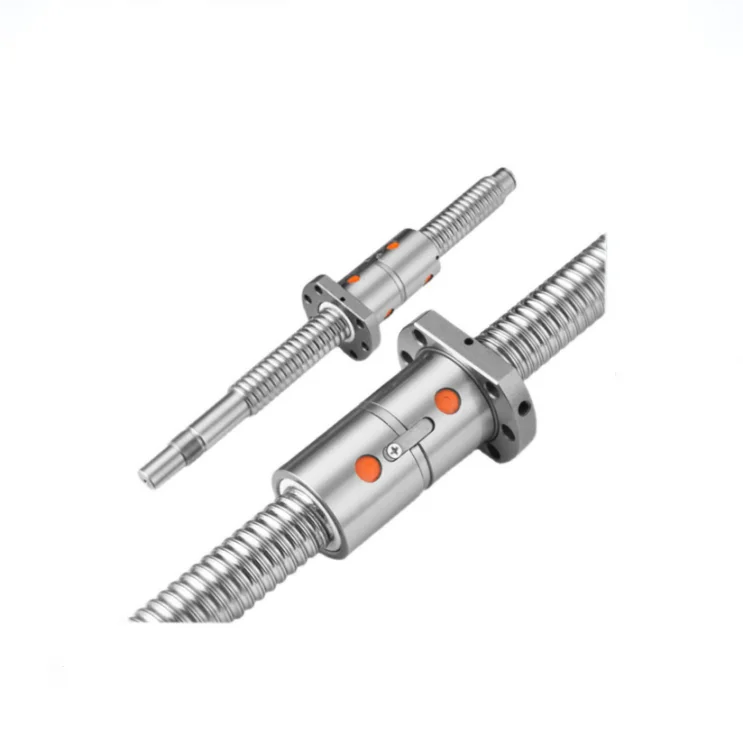
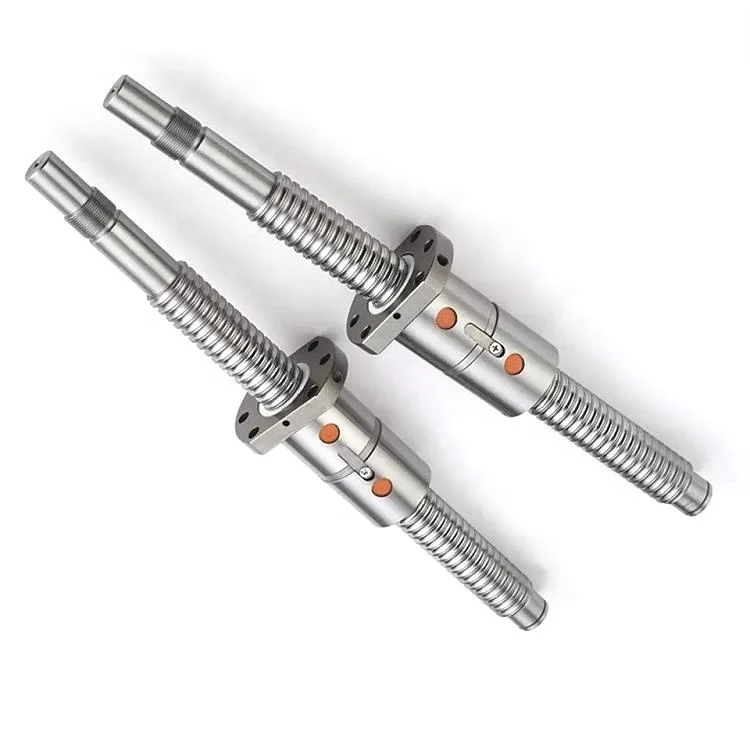
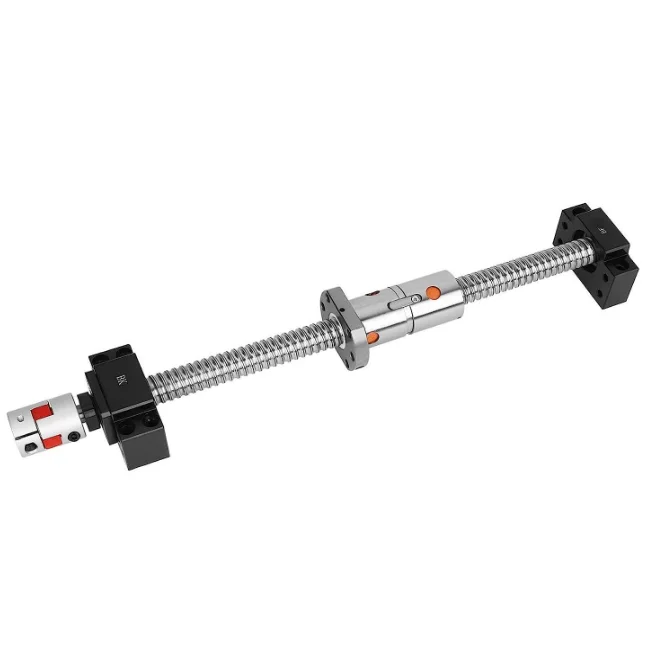
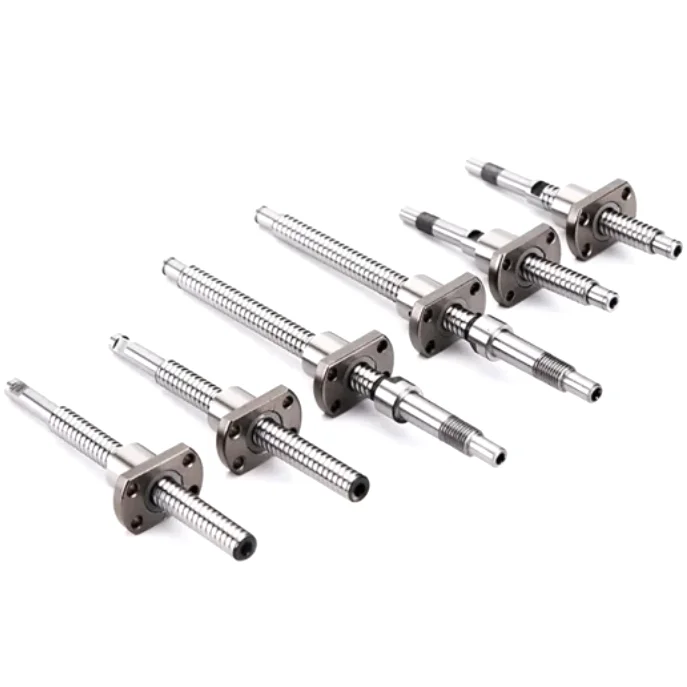
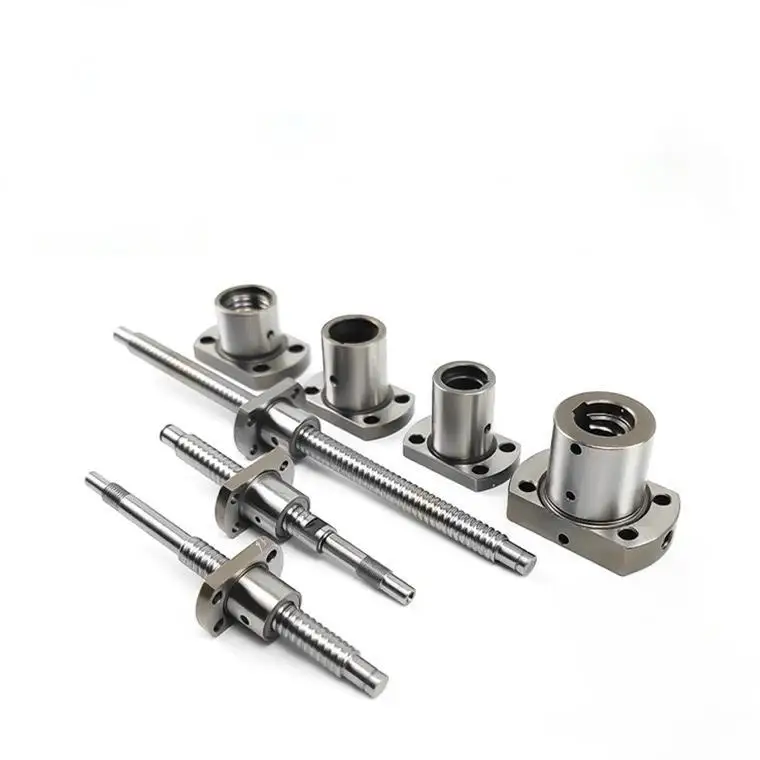
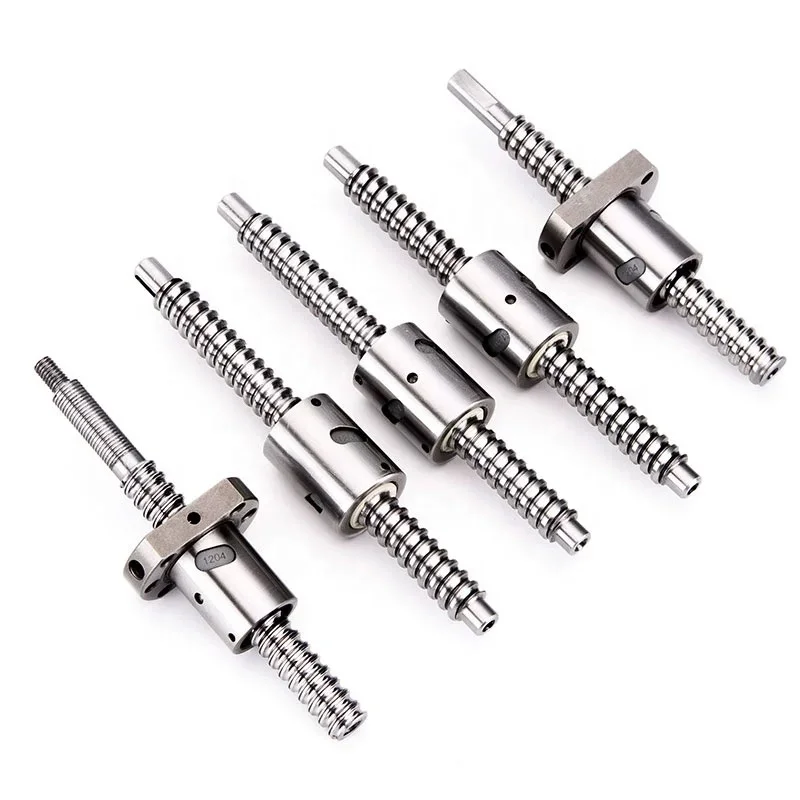
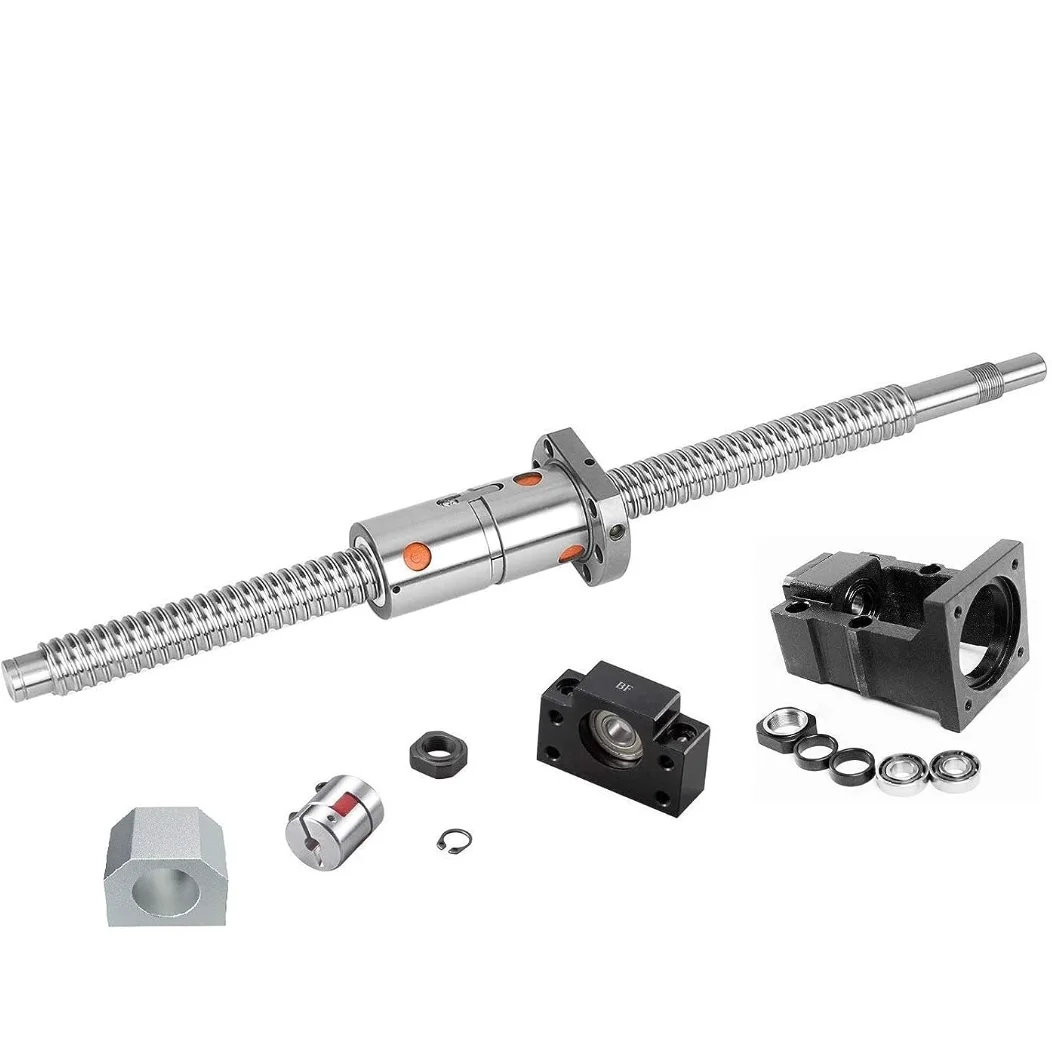
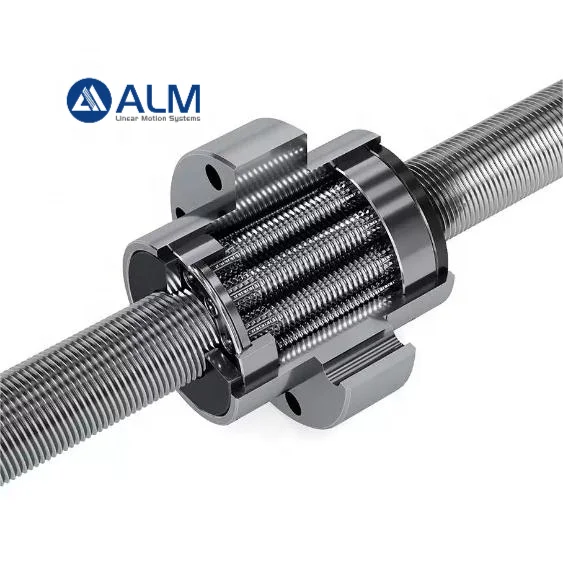
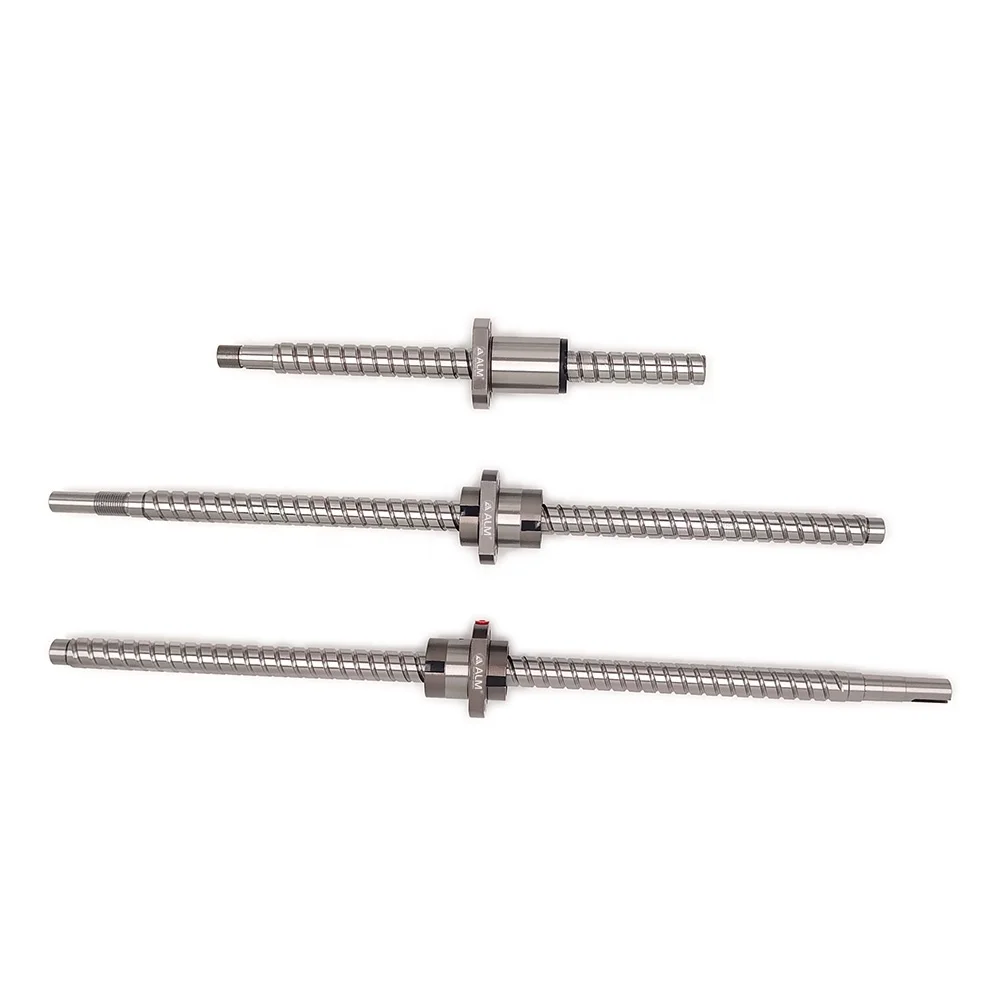
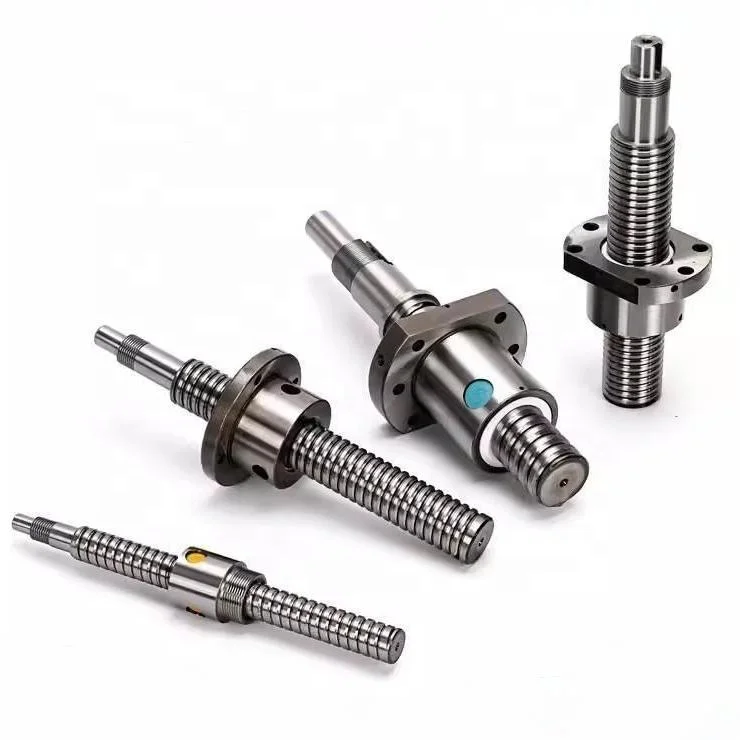
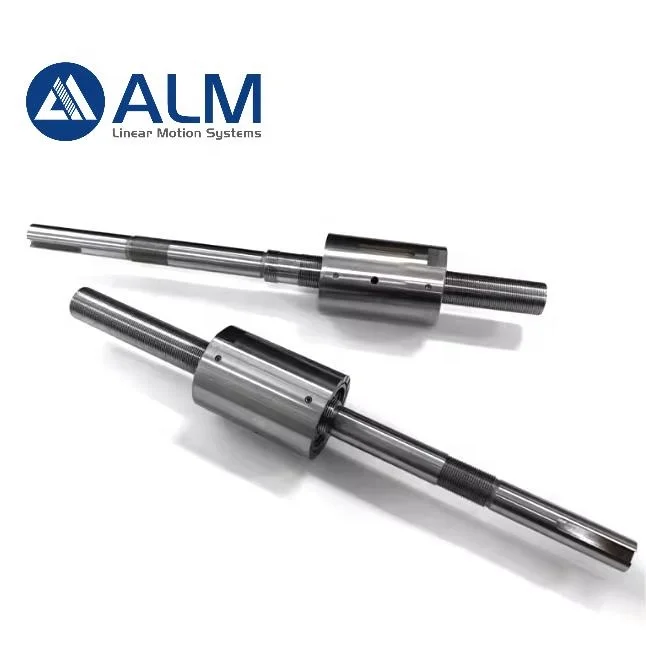
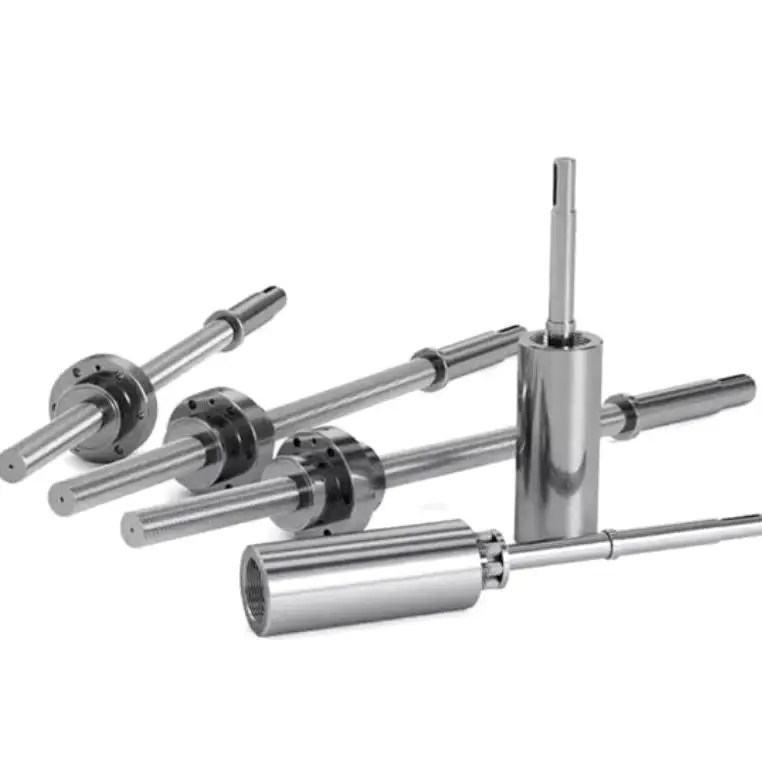
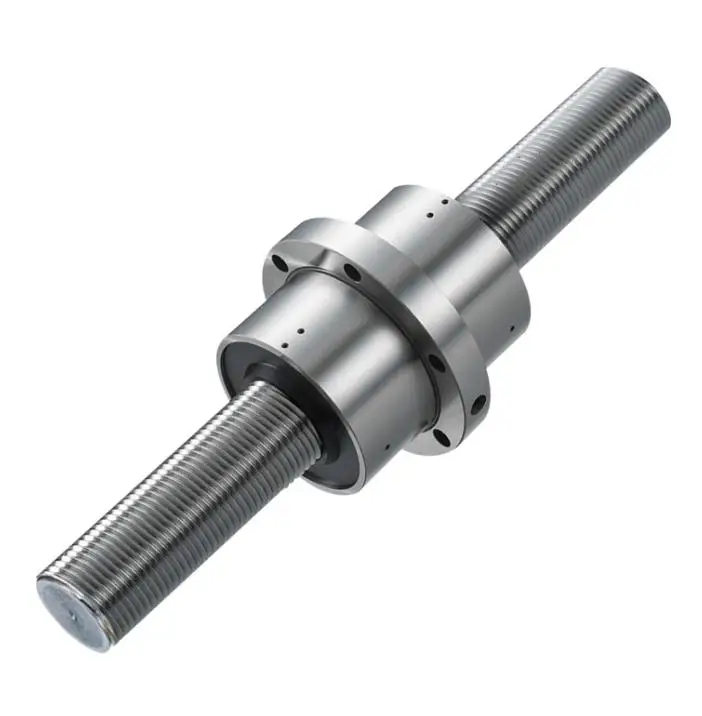
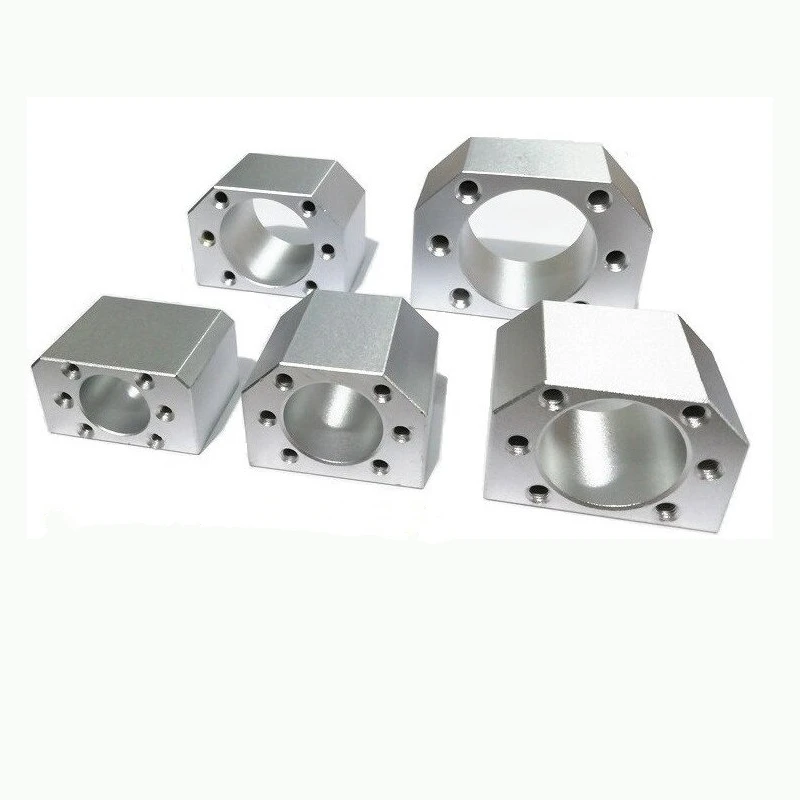
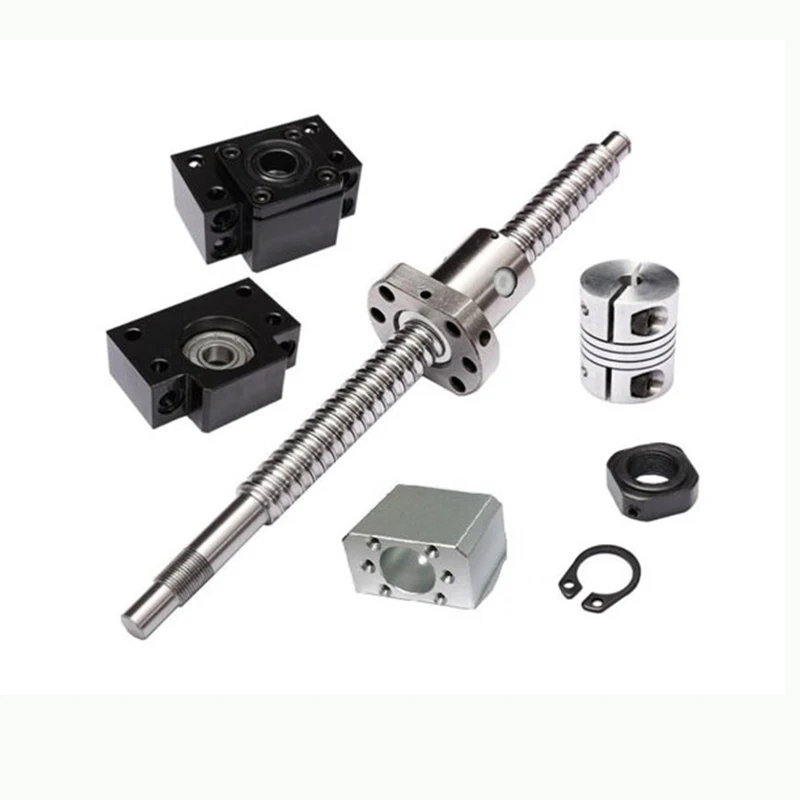
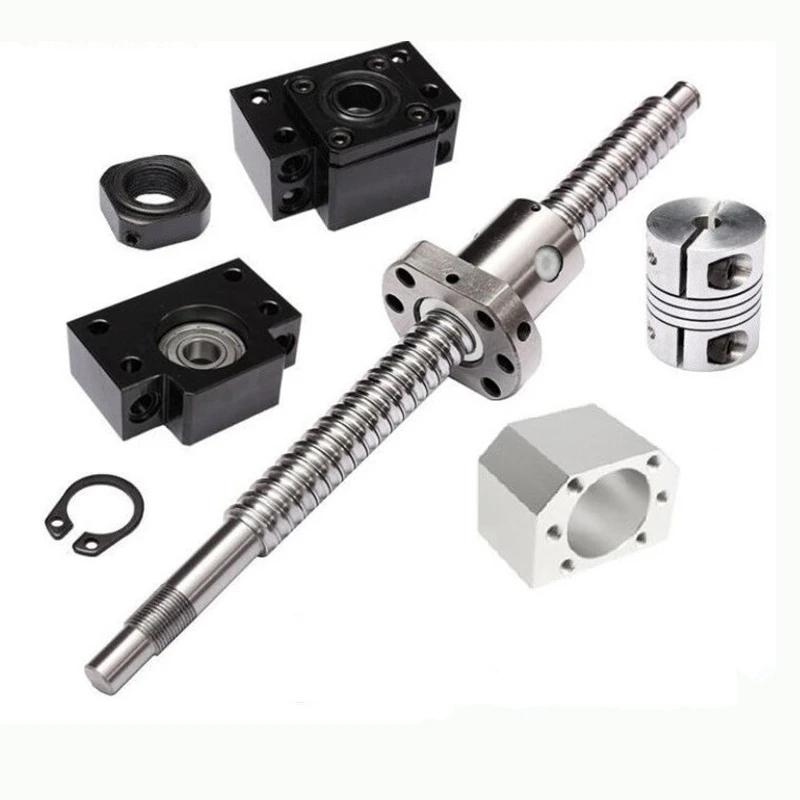
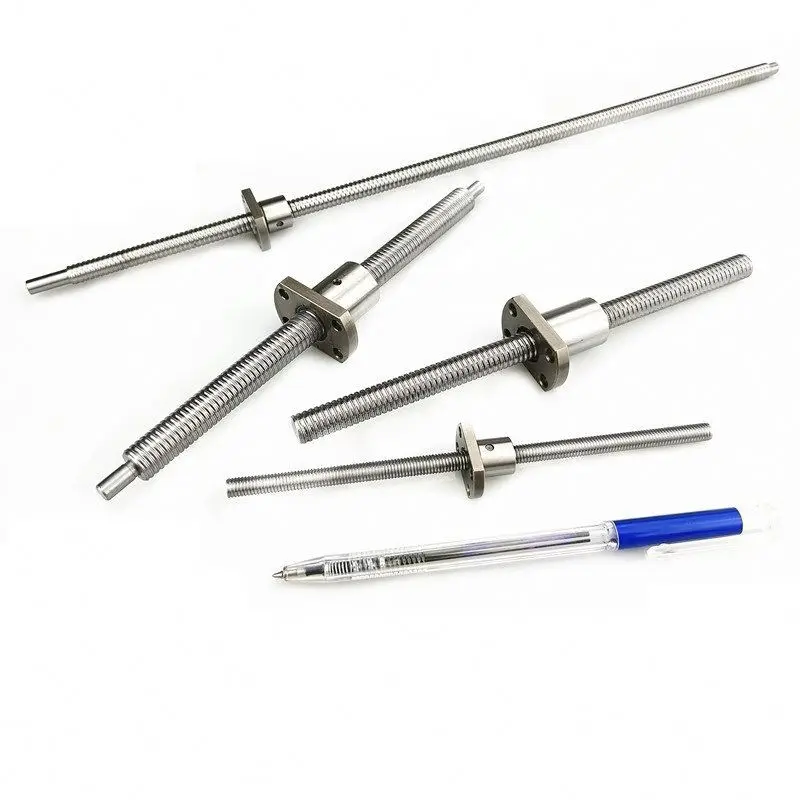
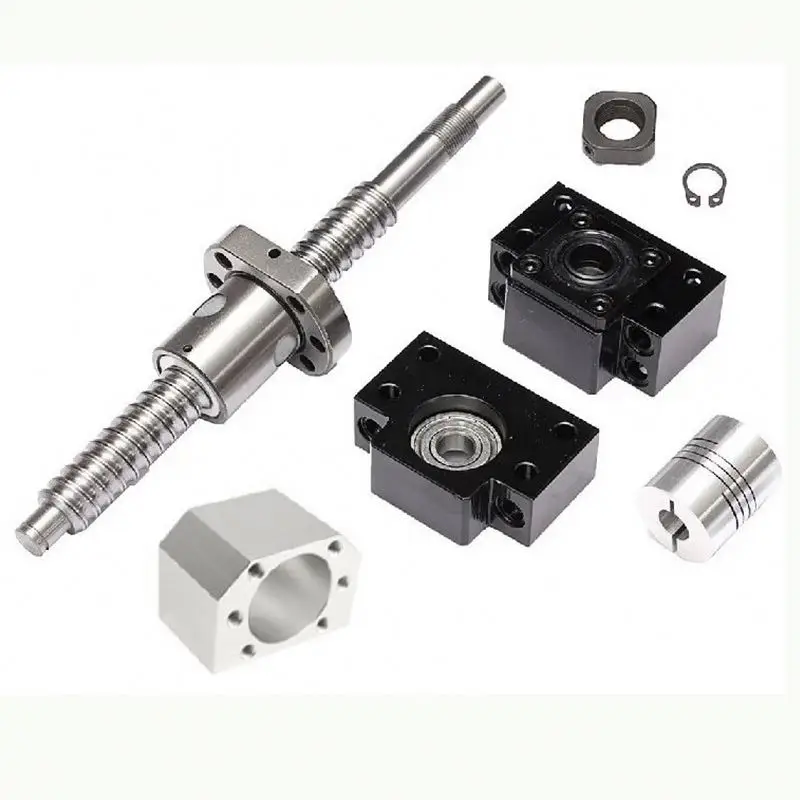
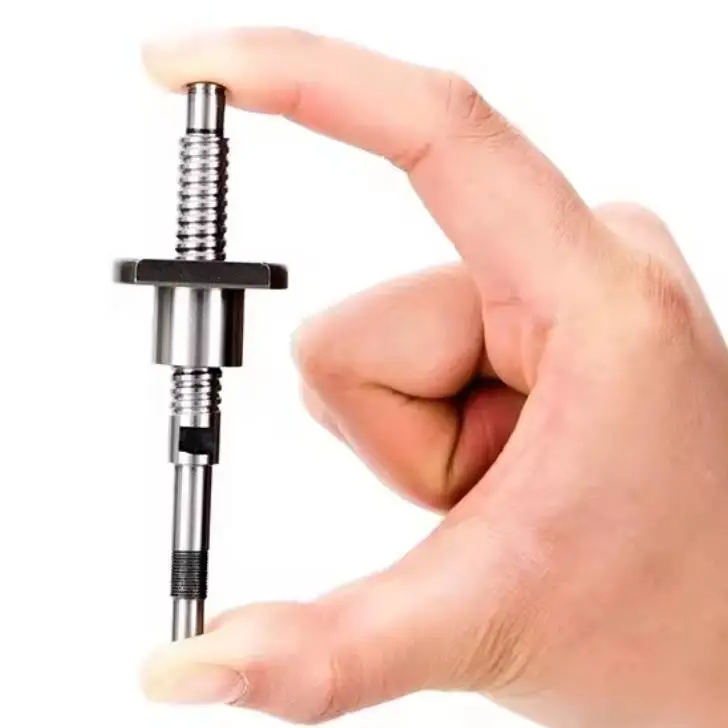
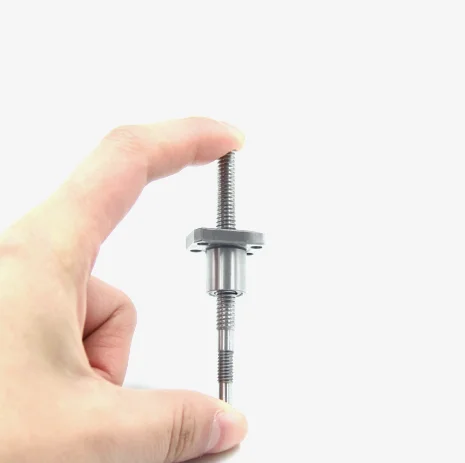
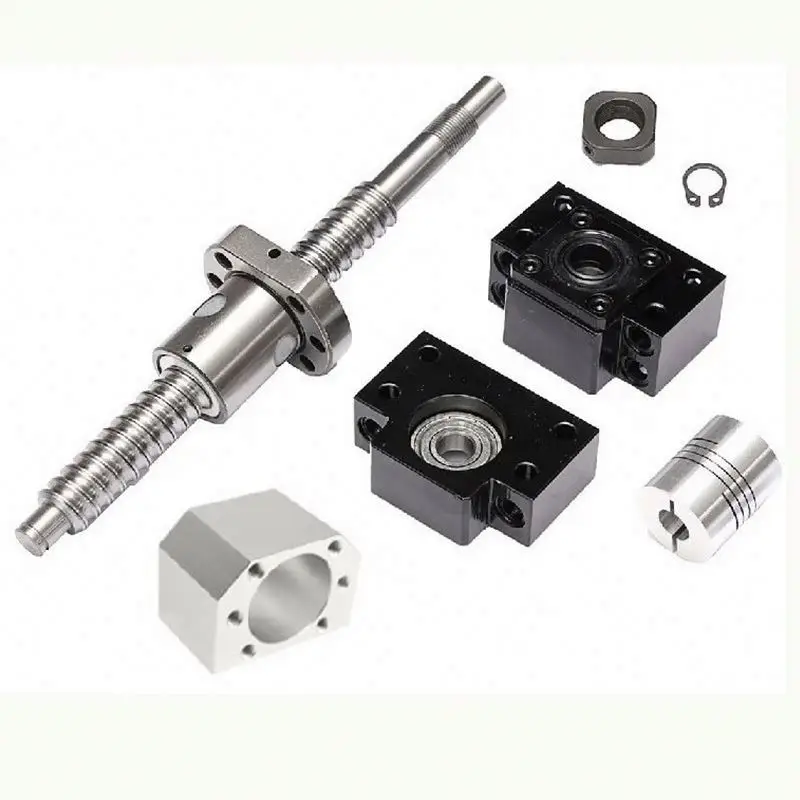
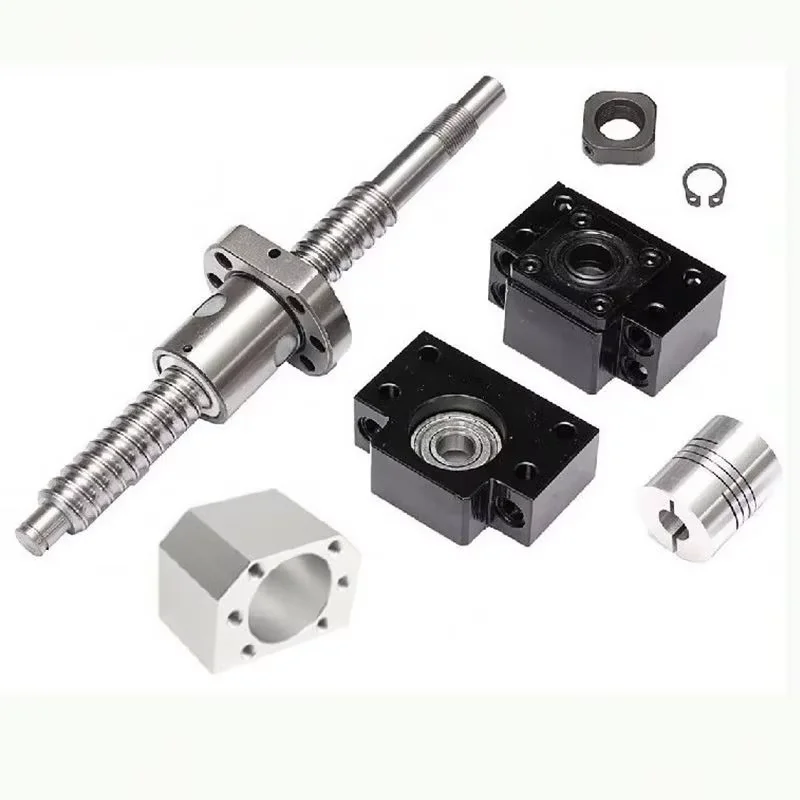
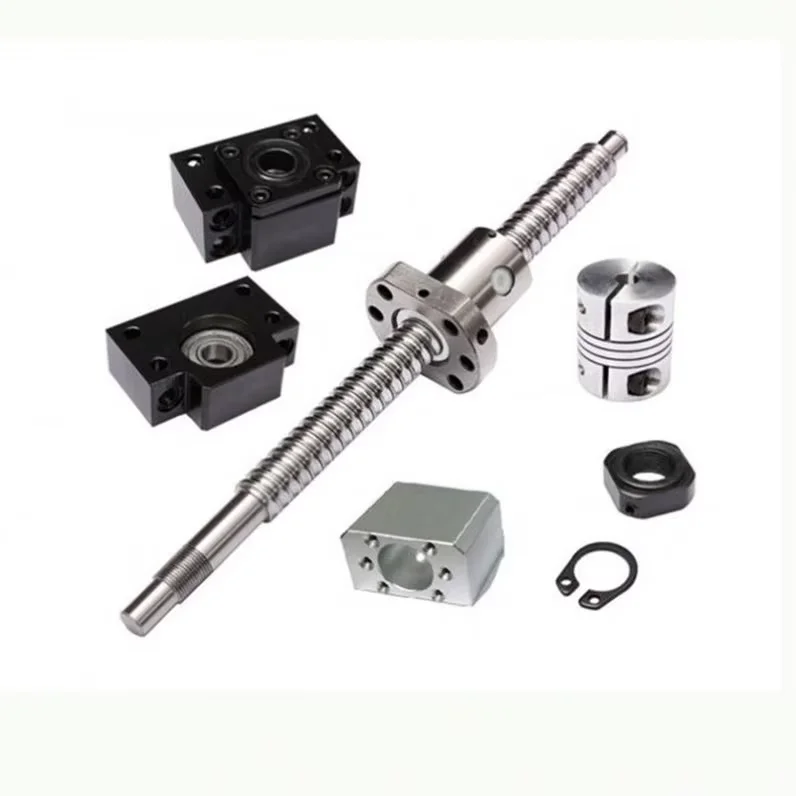
A ball screw turns rotation into linear travel with rolling rather than sliding contact, which is why it is roughly ninety percent efficient and why it will also backdrive under load when the motor is off. Two numbers decide what it does: the shaft diameter, which sets how fast it can spin before it whips, and the lead, which sets how far it travels per revolution.
Reading the model code
In the SFU family the digits are not arbitrary. SFU1605 is a 16 mm shaft with a 5 mm lead. SFU1204 is 12 mm with 4 mm. SFU2005 is 20 mm with 5 mm. Change either pair of digits and you have a different screw with different speed, thrust and resolution — they are not interchangeable, and a quotation that treats them as one line item is not a specification.
| Code | Shaft | Lead | Practical note |
|---|---|---|---|
| SFU1204 | 12 mm | 4 mm | Small routers and lab axes; lower thrust, lower critical speed |
| SFU1605 | 16 mm | 5 mm | The general-purpose default; 0.025 mm per full step on a 1.8 degree motor |
| SFU1604 | 16 mm | 4 mm | Finer resolution, slower travel at the same rpm |
| SFU2005 | 20 mm | 5 mm | More thrust and stiffness for a heavier gantry |
| SFU3205 | 32 mm | 5 mm | Large machines and press axes; needs real bearing support |
Accuracy grade is lead error, not position
C7, C5 and C3 describe how far the nut is from where it should be after a given travel, measured against a master. The conventional figures are 0.050 mm per 300 mm at C7, 0.023 at C5 and 0.008 at C3. Scale that to a metre and a C7 screw can be 0.17 mm out while still repeating to a hundredth of a millimetre every time it returns to the same point.
So: repeatability is bought with a preloaded nut, and absolute accuracy is bought with grade. Buyers routinely specify the first and expect the second.
The end supports are half the assembly
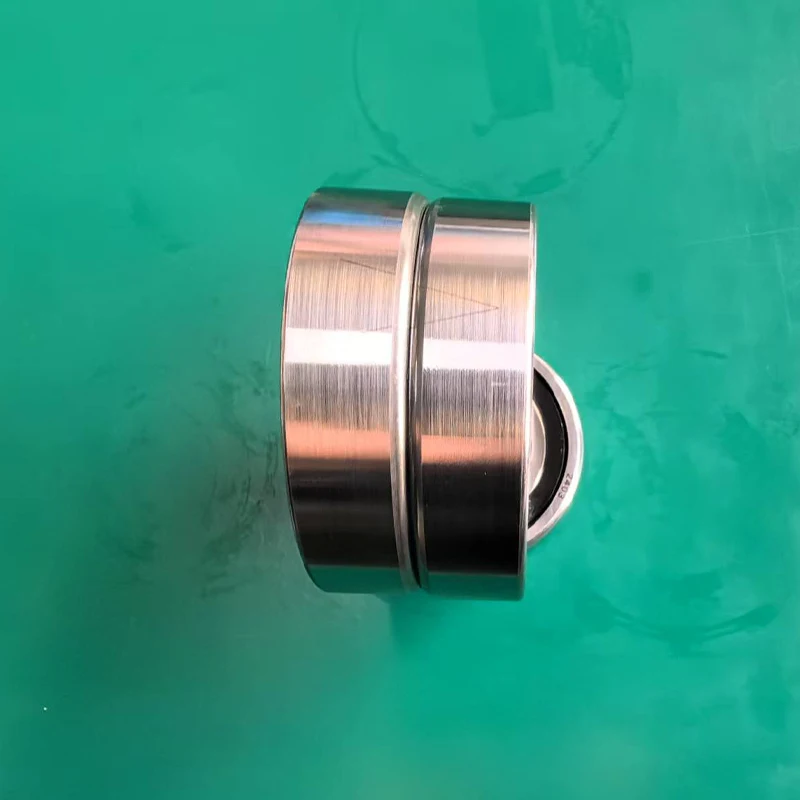
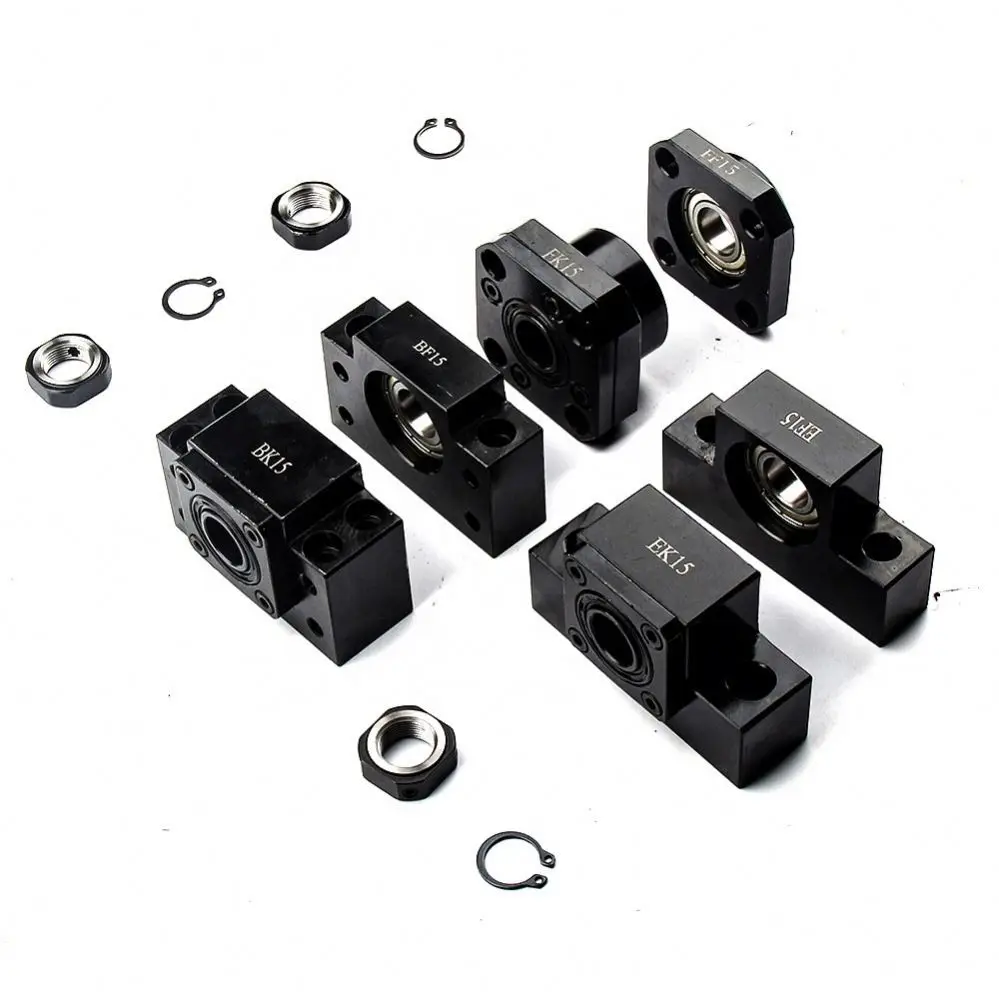
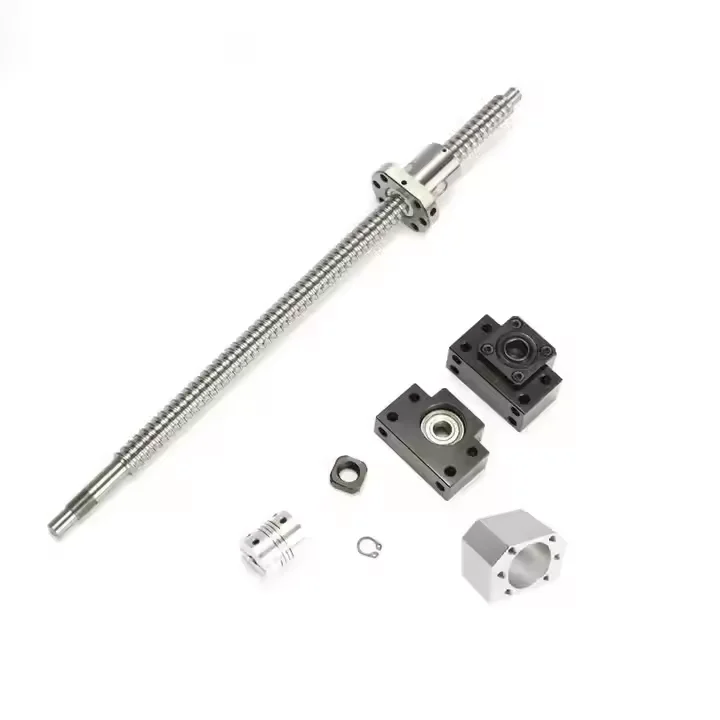
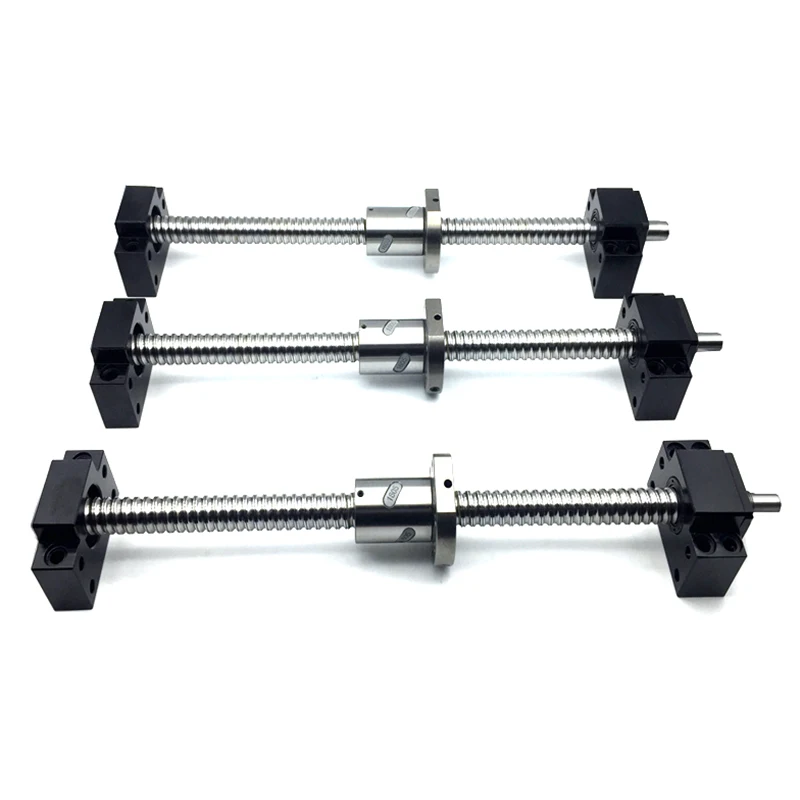
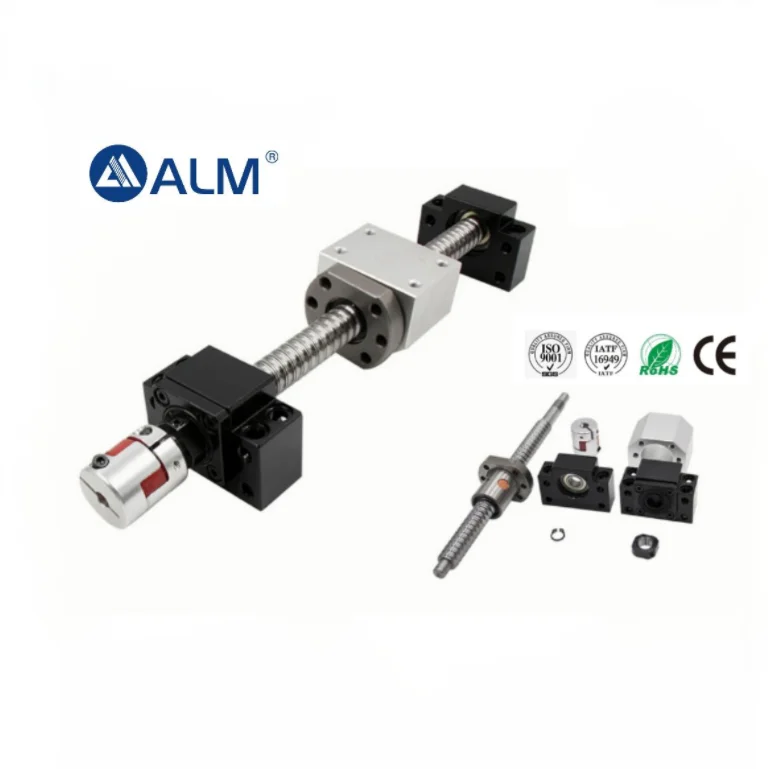
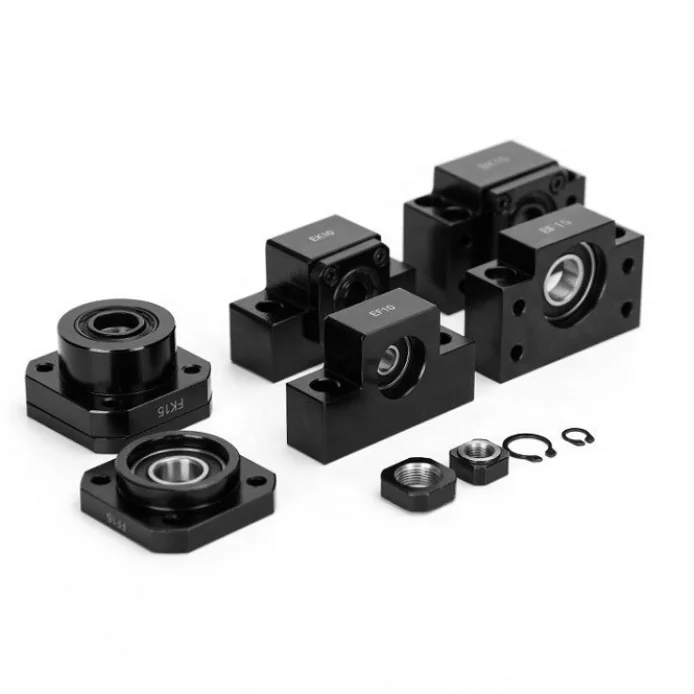
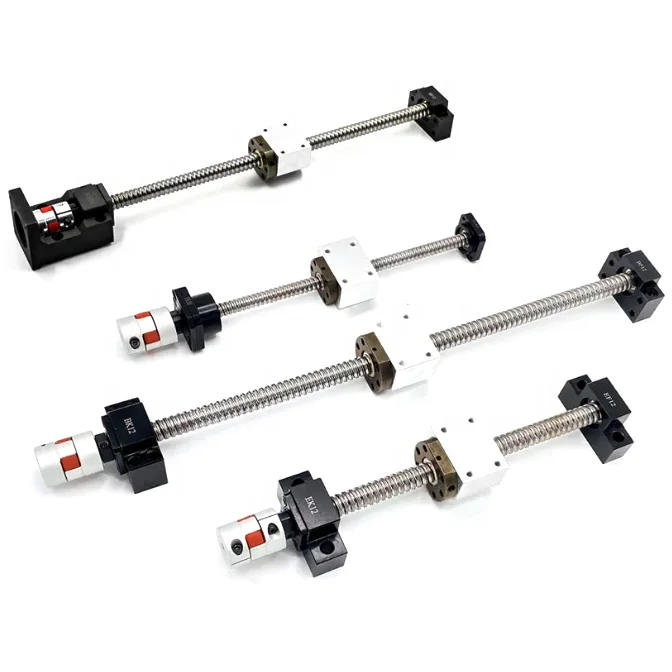
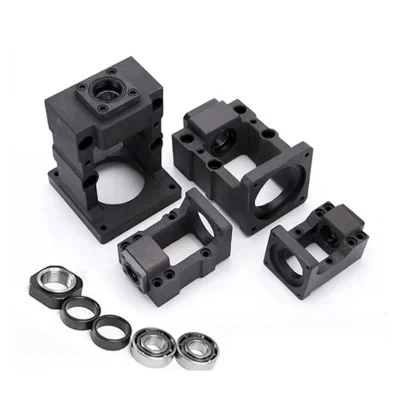
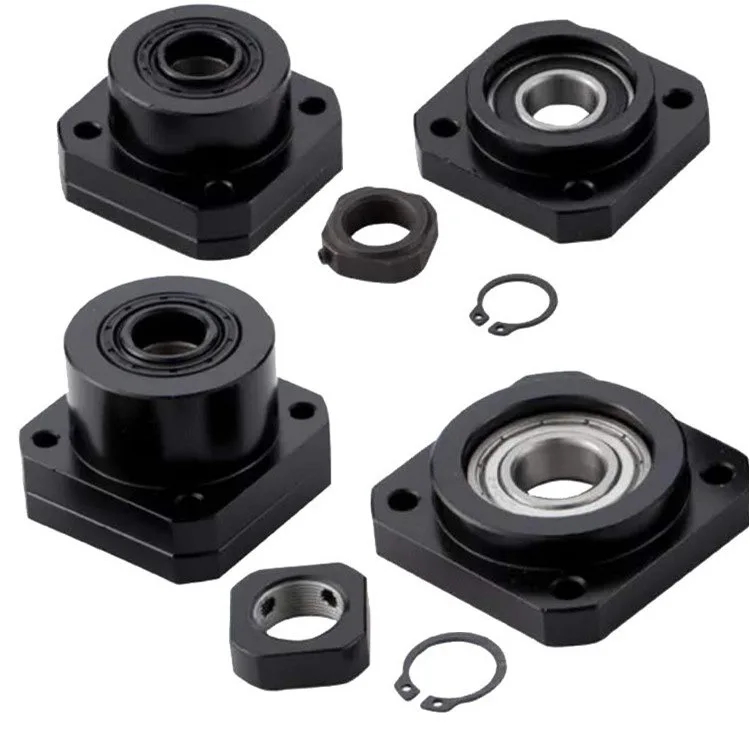
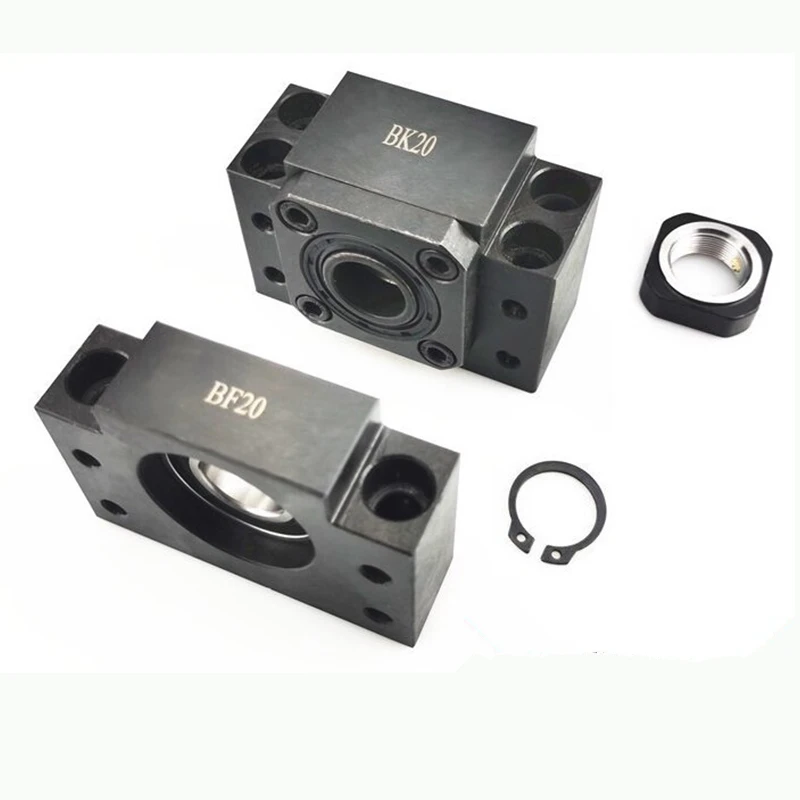
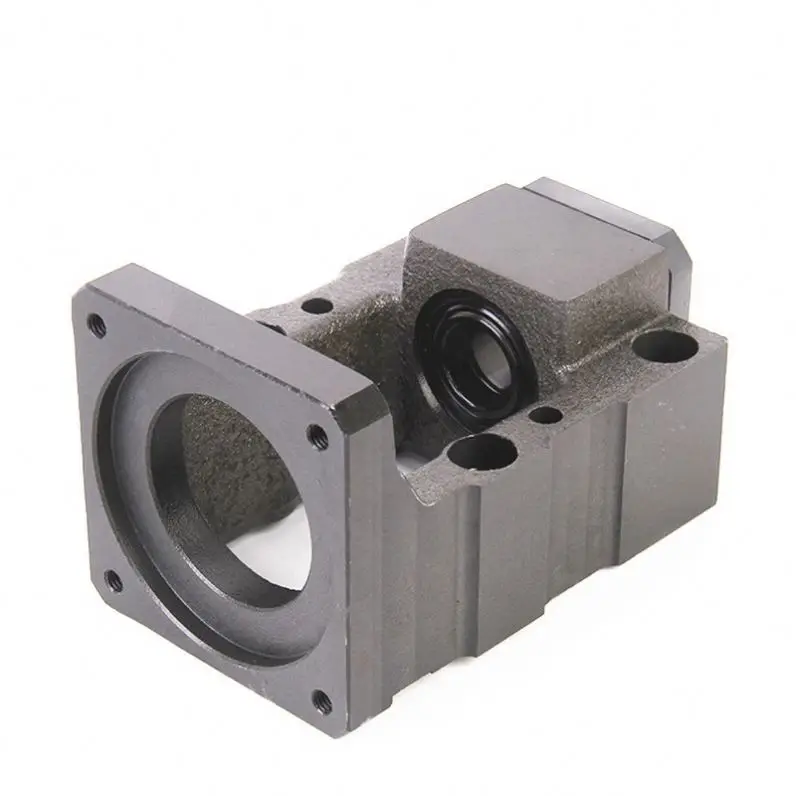
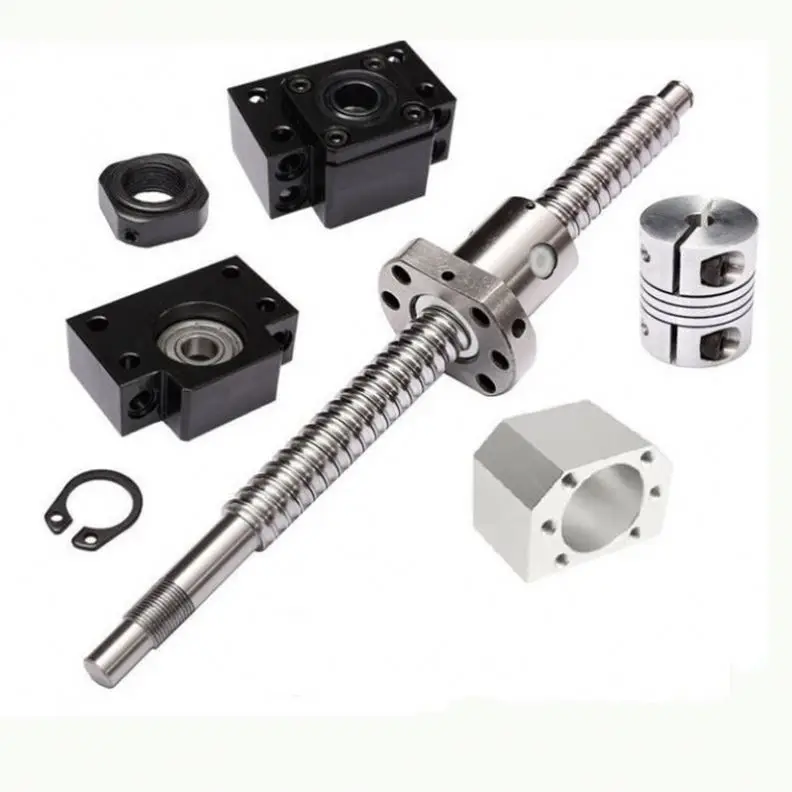
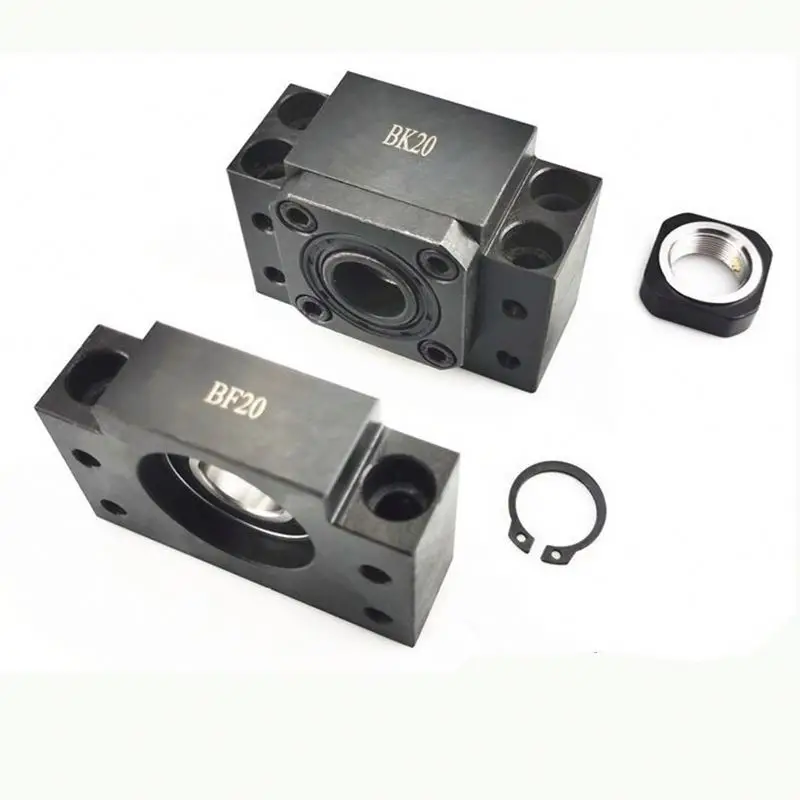
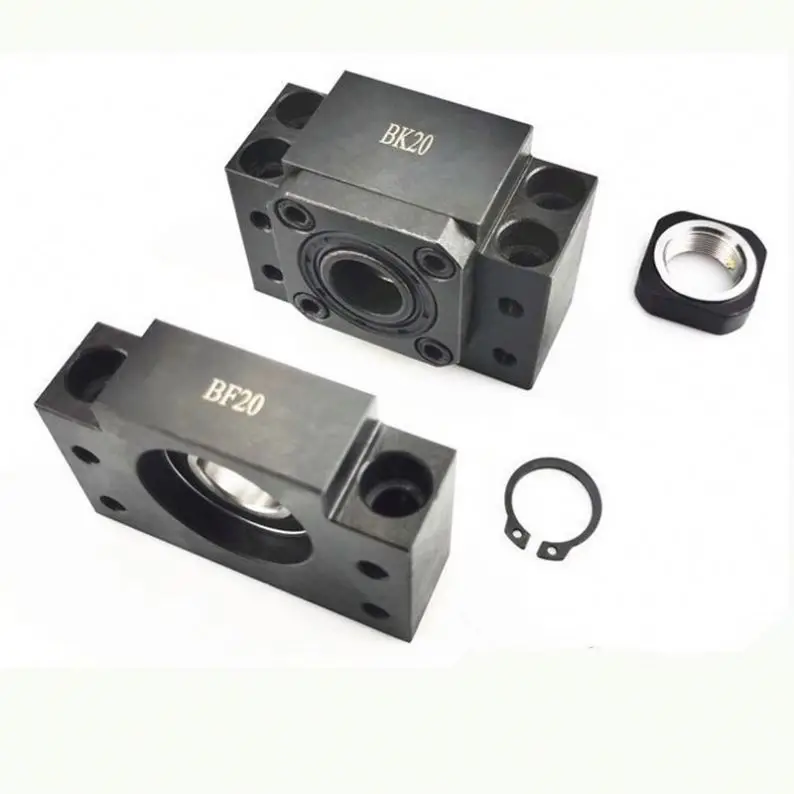
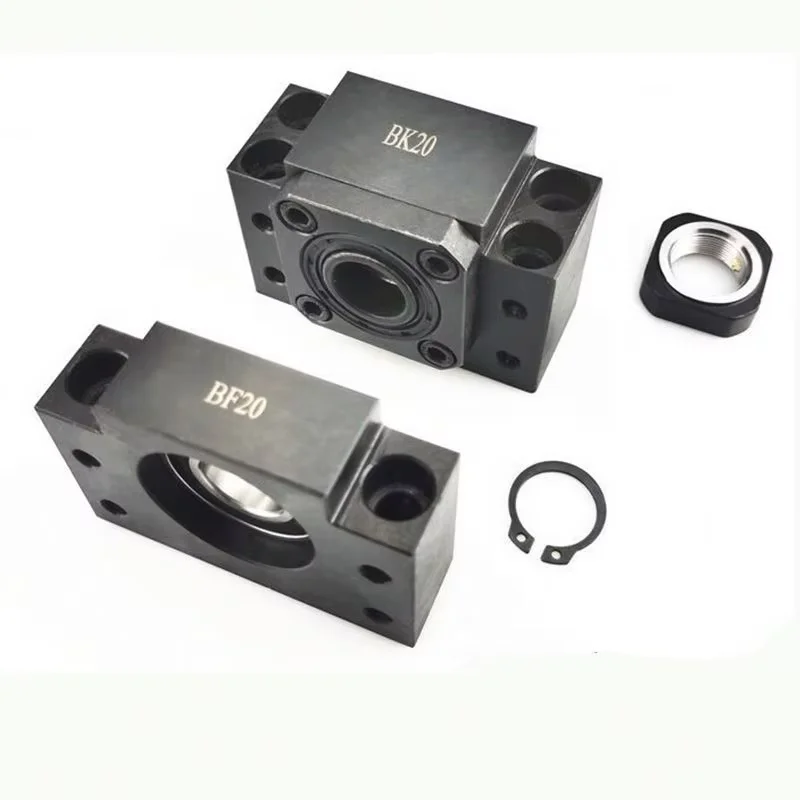
A screw needs a fixed support at the driven end — an angular contact pair in a BK or EK housing — and a floating support at the free end in a BF or EF housing that lets the shaft expand. Catalogue items here pair BK15 with BF15, BK25 with BF25 and so on. Fitting a floating bearing at both ends removes the axial location and the screw walks; fitting a fixed pair at both ends preloads the shaft against its own thermal growth and shortens bearing life.
Critical speed, in one line
The allowable speed falls with the square of the unsupported length. A 16 mm screw over one metre tops out near 2,400 rpm at a sensible safety margin; the same screw over half a metre will run to the DN limit. That is why a 5 mm lead cannot deliver high travel speed on a long axis no matter what motor you bolt to it — the screw, not the motor, is the ceiling.
Checks when the parts arrive
- Turn the nut by hand over the full length: any tight spot is a bent shaft or a damaged return tube
- Measure axial play at the nut with a dial indicator: a standard nut has clearance, a preloaded one should not
- Check the end machining against the bearing housing before assembly, not after
- Confirm the lubricant: ball screws want grease or oil specified for rolling contact, not general-purpose bearing grease