
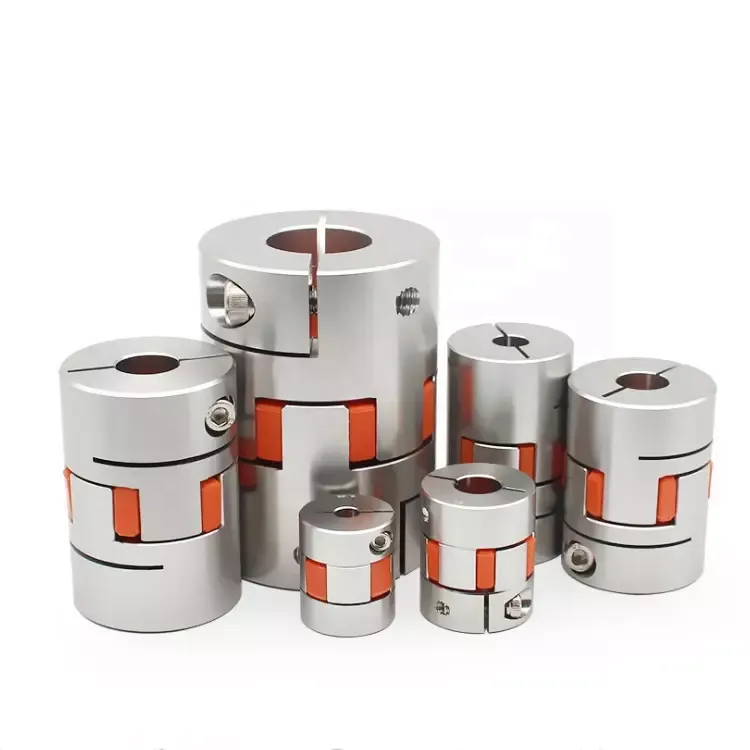
Universal Joint Coupling, Single/Double Cross, 10 mm Bore, for servo drives
Request pricing, MOQ and lead time for this product — we reply within 24 hours.
Construction
| Type | Flexible |
|---|---|
| Material | Double Steel + Alloyed Shaft |
| Flexibility | Flexible |
| Body material | Aluminum Alloy |
Size
| Bore diameter | 10 mm |
|---|---|
| Length | 60-300 mm |
Performance
| Maximum speed | 1,000 rpm |
|---|
Supply
| Standard | Standard |
|---|---|
| Customized support | OEM, ODM |
| MOQ | 1 pcs |
| Packing | Carton |
Application
| Colour | Customized |
|---|---|
| Usage | Cnc Part |
| Application | Industrial Equipment |
| Feature | High Accuracy |
Values above are the manufacturer's published figures for this series. Anything not listed — dynamic load rating, straightness, preload class — is confirmed against the drawing at RFQ.
Description
Overview
A universal joint coupling with a 10 mm bore, a rated speed of 1,000 rpm, a body in aluminium alloy and a joint in double steel with an alloyed shaft, supplied in lengths from 60 mm to 300 mm. The universal joint is the one coupling type that is designed to work at a real angle: the two hubs are connected through a cross piece so the driven shaft can sit at an angle to the driving shaft and still turn. That is the arrangement used whenever the machine layout puts a motor where a straight shaft line cannot go, or where an angle has to be carried permanently, as on a steering column, an adjustable head, or a drive that follows a moving carriage.
Key Features
· Type: Flexible
· Bore diameter: 10 mm
· Maximum speed: 1,000 rpm
· Material: Double Steel + Alloyed Shaft
· Standard: Standard
· Flexibility: Flexible
· Supplied as a replacement part or as a production item for machine builders
· Material, tolerance and surface treatment confirmed against the drawing
Specifications
The parameter table above lists the values published for this item. Where a value depends on the machine it is going into, the drawing or the RFQ fixes it, and we confirm before production rather than after.
Application
The double steel cross with an alloyed shaft is the load carrying part. A single joint produces a variation in angular velocity through each revolution, so the output speeds up and slows down twice per turn; the effect grows with the angle and is the reason a single joint is used only where that variation is acceptable or where the angle is small. A double joint, with two crosses and a short shaft between them, cancels most of that variation when the two joints are phased correctly, and it is the usual choice for a drive that has to run smoothly at an angle. Lengths from 60 mm to 300 mm cover both the compact double joint and the longer shaft assemblies used to bridge a gap between a motor and a remote mechanism.
The 10 mm bore suits small motor and shaft sizes and can be paired with a different diameter on the other end. Fixing is by screw on the hub, so the shaft should be plain and ground to a close tolerance, and the screw should be tightened against a flat where the torque is high enough to slip. Because the joint works by pivoting, the hub connection sees a small reversing load each revolution, and a connection that is not tight will develop play that shows up as backlash in the driven mechanism.
High accuracy is the reason this coupling is used on CNC equipment rather than a plain shaft with a flexible sleeve. The steel cross runs on bearing surfaces inside the yokes, and the play in those surfaces is what sets the accuracy of the joint: a new joint has very little, and it grows as the surfaces wear. Keeping the joint greased is therefore not cosmetic maintenance, it is what preserves the accuracy of the drive. A dry joint wears quickly, and the resulting play cannot be adjusted out.
Applications include the motor to lead screw or drive shaft connection where the two cannot be aligned, the drive to a moving carriage on a conveyor or a travelling gantry, adjustable heads on machine tools and woodworking machines, steering and tilt mechanisms, agricultural and garden machinery drives, printing and packaging machines where a shaft has to reach across the frame, and handwheel or crank connections. The 60 to 300 mm length range also makes it useful as a short cardan shaft between two pulleys or gearboxes on a test bench.
Installation & Maintenance
Installation practice for a universal joint differs from a flexible coupling. The angle at each joint should be set deliberately and, for a double joint, the two yokes should be phased so the velocity variations cancel; a double joint assembled out of phase produces a vibration that is difficult to diagnose later. The shafts must be supported so the joint is not carrying the weight of the driven part, and the joint should run within the angle it was designed for rather than at the extreme of its range. After assembly, turn the drive by hand through a full revolution and check that the joint passes through its tightest position without binding.
Lubrication and inspection: grease the crosses at the interval set by the duty, more often in a dusty or wet environment, and check for radial play by rocking the driven shaft with the drive locked. A joint with visible play should be replaced, because the play appears directly in the driven mechanism and cannot be shimmed out. Inspect the yokes for cracks at the bore, which is where a joint that has been run at too steep an angle fails first.
Ordering: bore at each end, overall length, single or double joint, the working angle, the direction of rotation, the maximum speed and the peak torque, plus the space available around the joint at its maximum angle. Where the coupling is replacing a part on an existing machine, a photo of the joint at its working angle and the distance between the shaft ends is usually enough to match it. Packing is by carton, minimum order one piece, and the colour can be specified where the part is visible.
The part is a universal joint shaft coupling, and it is the one type in the range that is bought for its angle rather than for its damping. It is not a jaw coupling, a spider coupling or a plum coupling, and it has no clamp hub: the hubs are fixed by a screw, so the clamp screw needs a flat to bear on. Where a drawing asks for a flexible shaft coupling to bridge an offset between a motor and a mechanism, this joint and a double joint assembly are the two options, and the angle the drive has to carry decides which.
Package & Lead Time
Standard export packing: each part is sleeved and cartoned, screws and rails are protected along their length, and larger assemblies travel crated. Lead time is confirmed with the quotation: standard sizes normally ship within 5 to 15 days of a confirmed drawing, custom parts against the agreed schedule. Minimum order is one piece, and sample orders are accepted before a production run.
Request a Quote
Send the model number or the drawing, with the shaft or rail size and the quantity you need, and we will reply with a quotation. For non-standard lengths, bore pairs, keyways and material changes we work from your drawing; bulk orders are quoted per quantity band and a sample can be supplied for approval.
Related components
Detail images
Questions buyers ask about this item
What bore sizes are available?
10mm.
What speed is it rated for?
1,000 rpm.
Can the bore be machined to my shaft?
Yes. Bore pairs, keyways and clamp sizes are machined to the drawing, including mixed bores on the two hubs.
Is the torque rating fixed?
Torque is quoted for the body and bore you order and is confirmed on the drawing.
Related products
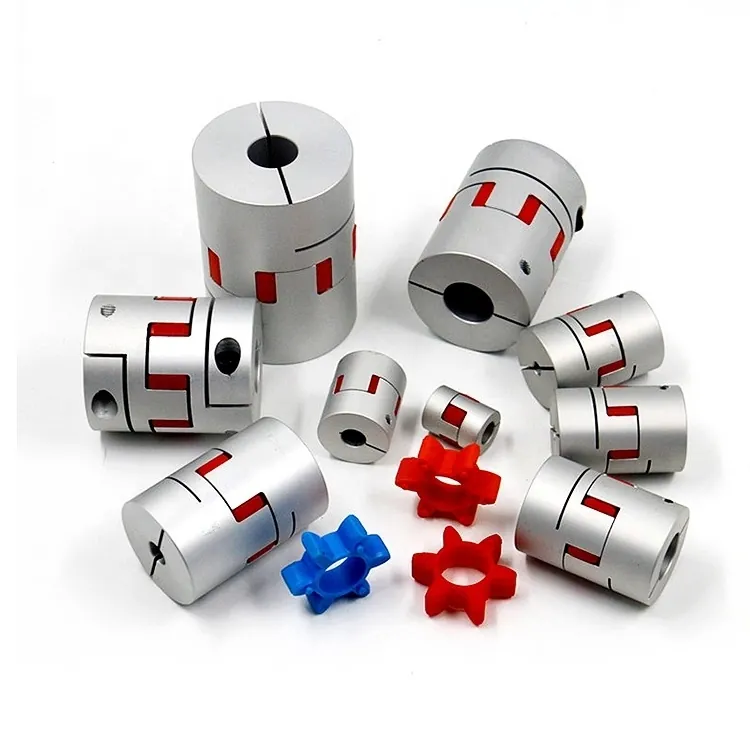
TEBAK High-strength Flexible Spider Jaw Type Clamping
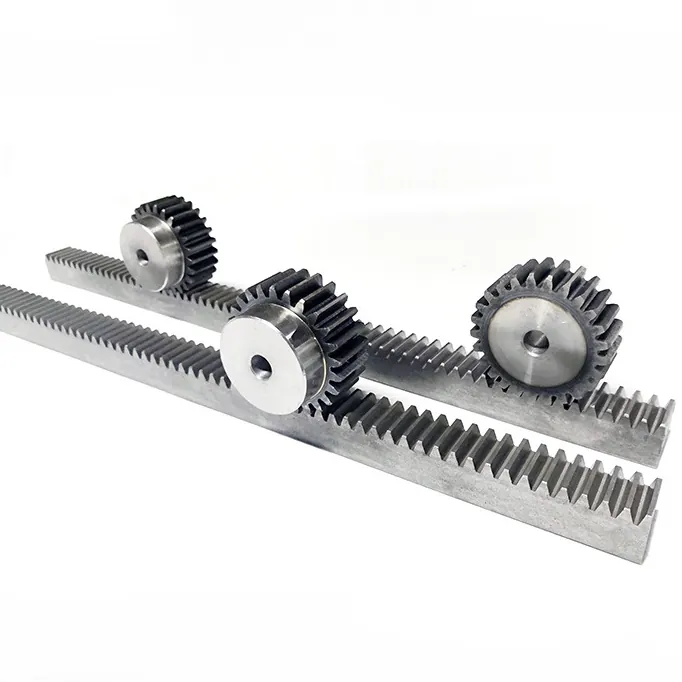
TEBAK Gear Rack, Straight Tooth M1 M2 M3 M4 M5 M6 Custom
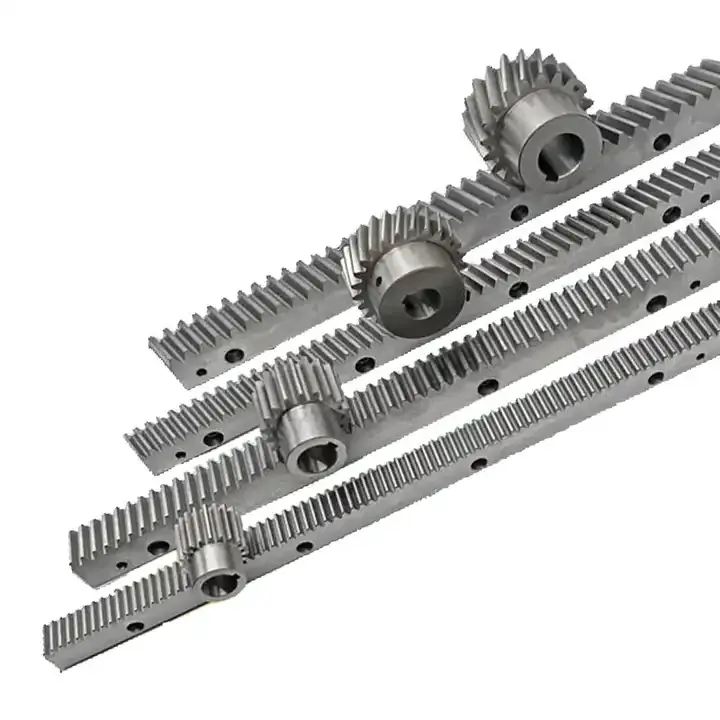
TEBAK Gear Rack, European Standard, Module Cut to Order
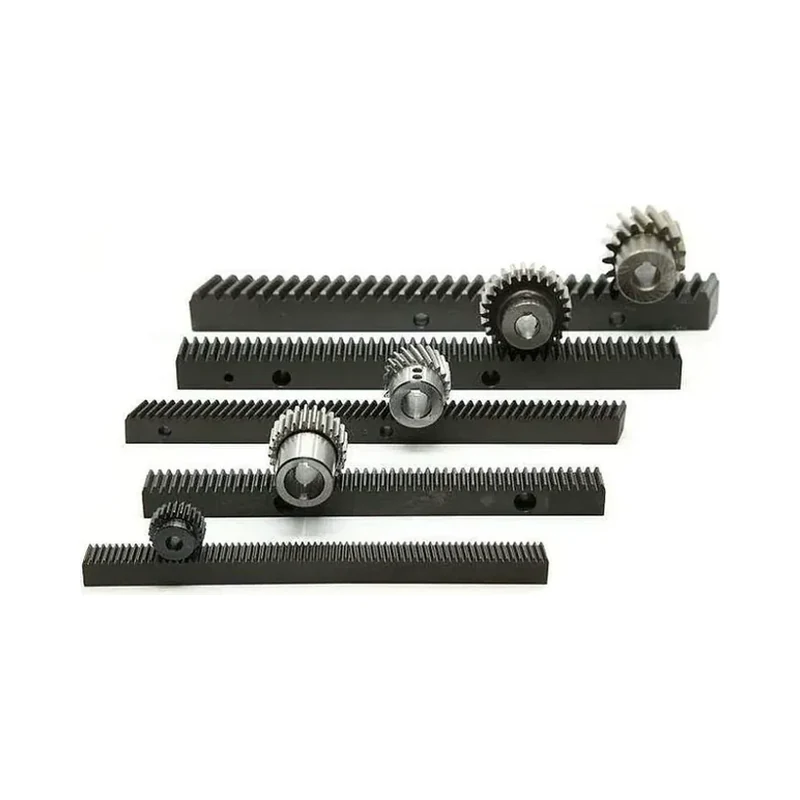
TEBAK Black Oxide Steel Straight Helical Gear Rack
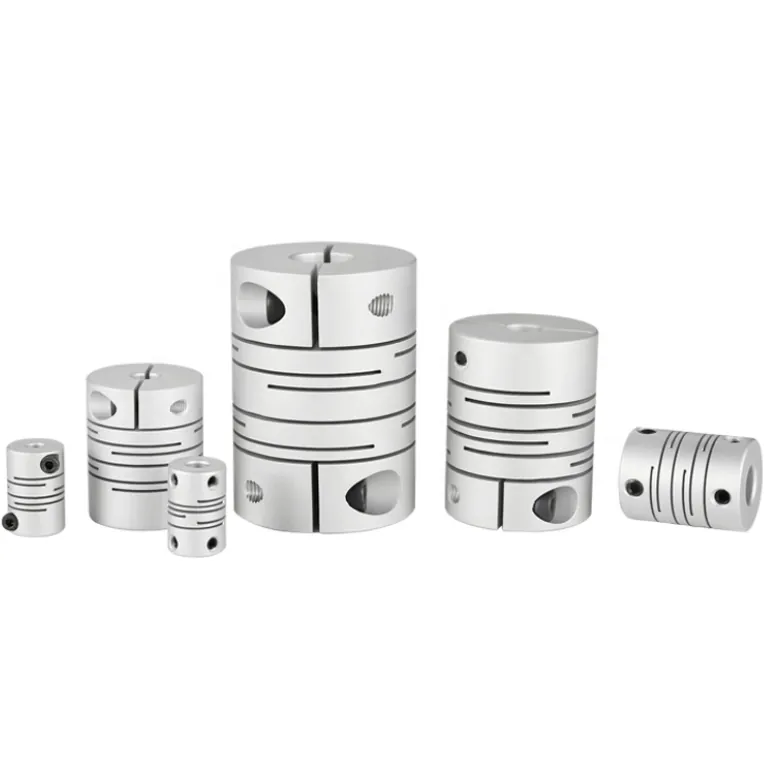
TEBAK Coupling, Grooved Parallel Line Coupler Aluminum
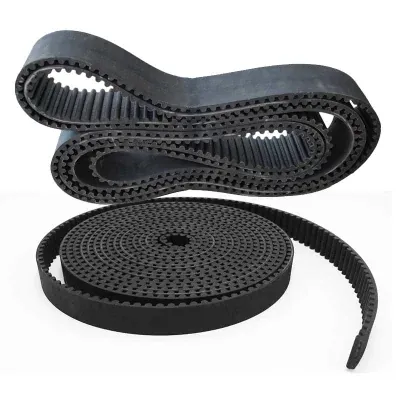
TEBAK Timing Belt, Open End Rubber or PU Industrial Belt
Interested in this product?
Send your details and we will respond within 24 hours.