
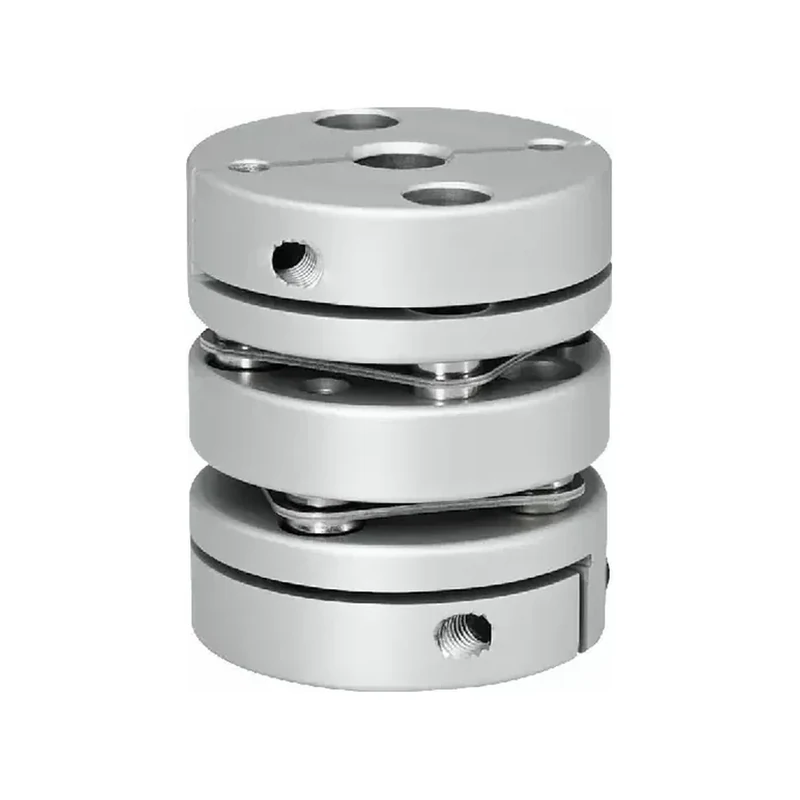
Diaphragm Disc Coupling, Single or Dual Disc, 10-20 mm, for servo drives
Request pricing, MOQ and lead time for this product — we reply within 24 hours.
Construction
| Type | Flexible |
|---|---|
| Structure | Universal |
| Material | Aluminum |
| Flexibility | Flexible |
| Body material | Aluminum Alloy |
Size
| Bore diameter | 10 mm / 20 mm |
|---|---|
| Shaft size | Customized |
Performance
| Maximum speed | 1,000 rpm / 2,000 rpm / 3,000 rpm |
|---|
Supply
| Standard | Standard |
|---|---|
| Customized support | OEM |
Application
| Feature | Long Operating Life |
|---|---|
| Application | Industrial Equipment |
Values above are the manufacturer's published figures for this series. Anything not listed — dynamic load rating, straightness, preload class — is confirmed against the drawing at RFQ.
Description
Overview
A diaphragm disc coupling in aluminium alloy with bores of 10 mm and 20 mm, available as a single disc or a dual disc version, for speeds from 1,000 to 3,000 rpm. The drive passes from one hub to the other through thin metal discs rather than through an elastomer, which gives a coupling with no wind up under load and no material that ages, hardens or takes a permanent set. That combination, zero backlash plus high torsional stiffness, is why disc couplings are used on axes where the commanded position has to appear at the load without a lag that changes with torque.
Key Features
· Type: Flexible
· Bore diameter: 10 mm / 20 mm
· Maximum speed: 1,000 rpm / 2,000 rpm / 3,000 rpm
· Structure: Universal
· Material: Aluminum
· Standard: Standard
· Supplied as a replacement part or as a production item for machine builders
· Material, tolerance and surface treatment confirmed against the drawing
Specifications
The parameter table above lists the values published for this item. Where a value depends on the machine it is going into, the drawing or the RFQ fixes it, and we confirm before production rather than after.
Application
The discs are the flexible element and they work by bending rather than by sliding. A single disc pack handles angular misalignment between the shafts and, to a small degree, axial movement; a dual disc arrangement puts a spacer between two disc packs so the coupling can also absorb parallel offset, which is the situation when two shafts are parallel but not on the same centreline. Choosing between them is a question of what the machine structure allows: if the motor and the screw are machined into the same housing and only an angle can appear, a single disc coupling is enough, while a motor on a separate bracket that can shift sideways calls for the dual disc version.
Aluminium alloy hubs keep the mass down at the outside diameter, where inertia is highest, so the coupling accelerates quickly and adds little to the load on the motor bearing. The discs are thin metal and carry the torque in tension and compression around the bolt circle, which is an efficient way to use material: a disc coupling of a given diameter is stiffer and lighter than an elastomer coupling of the same torque class. Because there is no sliding contact inside the coupling, there is nothing to lubricate and no wear debris to fall into a machine.
The 10 mm and 20 mm bores cover the small to medium servo and stepper shafts used on positioning equipment. Bore pairs can be supplied, keyways can be added, and the shaft engagement length can be set to suit the hub. On a disc coupling the fit matters as much as on any clamp hub: the shaft should be ground to a close tolerance, cleaned before fitting, and the clamp screws tightened evenly so the disc pack is not distorted by an uneven hub closure.
Speeds of 1,000 to 3,000 rpm reflect the sizes in the range rather than a single rating. At the upper end the balance of the assembly becomes the limiting factor, and a coupling that is well balanced in itself can still vibrate if the shaft it is mounted on has a keyway that removes material from one side. Where the axis runs near the top of the range, indicating the assembled shaft line and balancing the rotor if the machine requires it are worth the time.
Installation & Maintenance
Applications centre on accurate motion: the motor to ball screw or lead screw joint on CNC machines and linear stages, the connection to an encoder or resolver where phase accuracy matters, printing and converting machines where register has to hold, packaging machines with flying knives and registration, metrology and inspection equipment, semiconductor handling, and test benches that measure torque or angle. The absence of an elastomer also makes the coupling suitable where the environment would attack rubber: high ambient temperature, vacuum, clean rooms, and areas exposed to oils and solvents.
Installation notes that avoid the common failures: never use the coupling to close a gap between shafts, because the disc pack will carry a permanent preload and crack at the bolt holes; fit the hubs with the shafts at their running temperature where the machine gets hot, so thermal growth does not add an axial load; tighten the clamp screws in a cross pattern in two stages; and check the axial gap between the hubs against the drawing, since a disc coupling needs a defined distance between the hubs to work through its range. After the first hours of running, re-check the screw torque.
Maintenance is inspection rather than service. Look at the disc packs for fretting at the bolt holes, for a bright ring that shows movement between the disc and the hub, and for any crack that starts at the edge of a hole; a cracked disc shows up as a tick once per revolution before it fails. Keep the coupling clean and dry, and do not paint over the discs. If a disc pack has to be replaced, replace the complete pack and tighten to the same torque, because a partly replaced pack will not share load evenly.
To quote: bore pair, single or dual disc, overall length available between the shaft ends, maximum speed, peak torque of the drive, ambient temperature, and whether the coupling must work in a clean room or a wash down area. With the shaft diameters and the space between the shaft ends, the disc configuration and the bore pair can be fixed and a drawing issued for approval.
In catalogue language this is a diaphragm shaft coupling, and it is also sold under the names disc coupling and metal disc coupling. It is not a jaw coupling, not a spider coupling and not a plum coupling: there is no elastomer in it, which is why it can claim zero backlash and high torsional stiffness, and why it suits a servo motor or a stepper motor axis where the phase between command and load must not change with torque. Where a customer asks for a flexible shaft coupling with the lowest possible wind up, this is the type to quote.
Package & Lead Time
Standard export packing: each part is sleeved and cartoned, screws and rails are protected along their length, and larger assemblies travel crated. Lead time is confirmed with the quotation: standard sizes normally ship within 5 to 15 days of a confirmed drawing, custom parts against the agreed schedule. Minimum order is one piece, and sample orders are accepted before a production run.
Request a Quote
Send the model number or the drawing, with the shaft or rail size and the quantity you need, and we will reply with a quotation. For non-standard lengths, bore pairs, keyways and material changes we work from your drawing; bulk orders are quoted per quantity band and a sample can be supplied for approval.
Related components
Detail images
Questions buyers ask about this item
What bore sizes are available?
10mm, 20mm.
What speed is it rated for?
1,000 rpm to 2000 RPM to 3,000 rpm.
Can the bore be machined to my shaft?
Yes. Bore pairs, keyways and clamp sizes are machined to the drawing, including mixed bores on the two hubs.
Is the torque rating fixed?
Torque is quoted for the body and bore you order and is confirmed on the drawing.
Related products
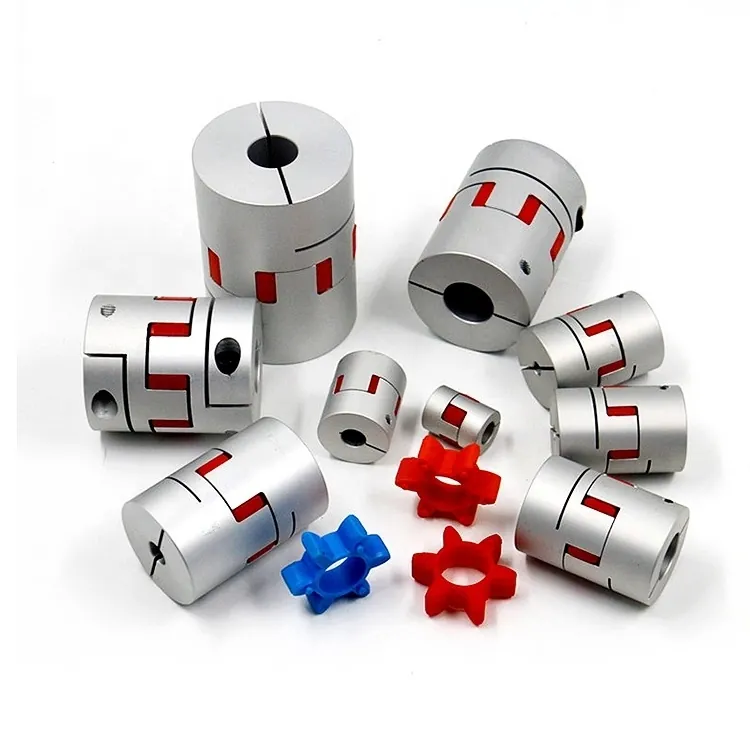
TEBAK High-strength Flexible Spider Jaw Type Clamping
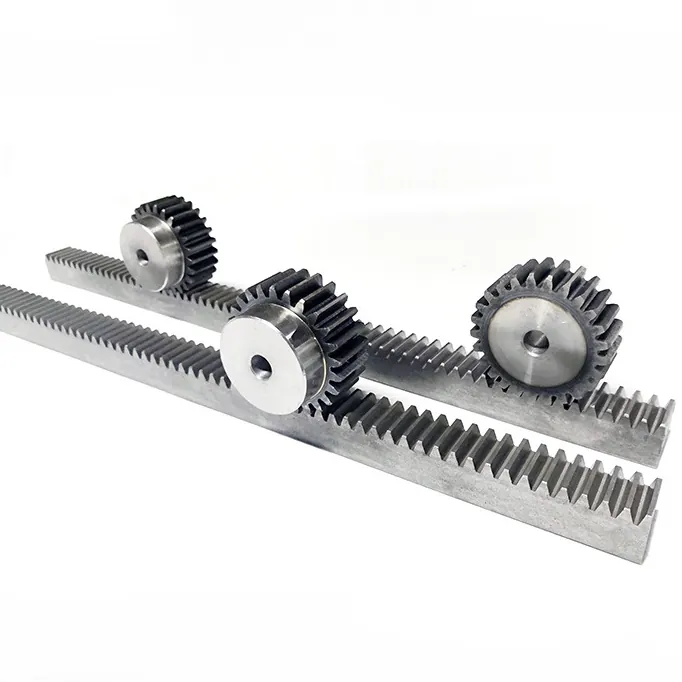
TEBAK Gear Rack, Straight Tooth M1 M2 M3 M4 M5 M6 Custom
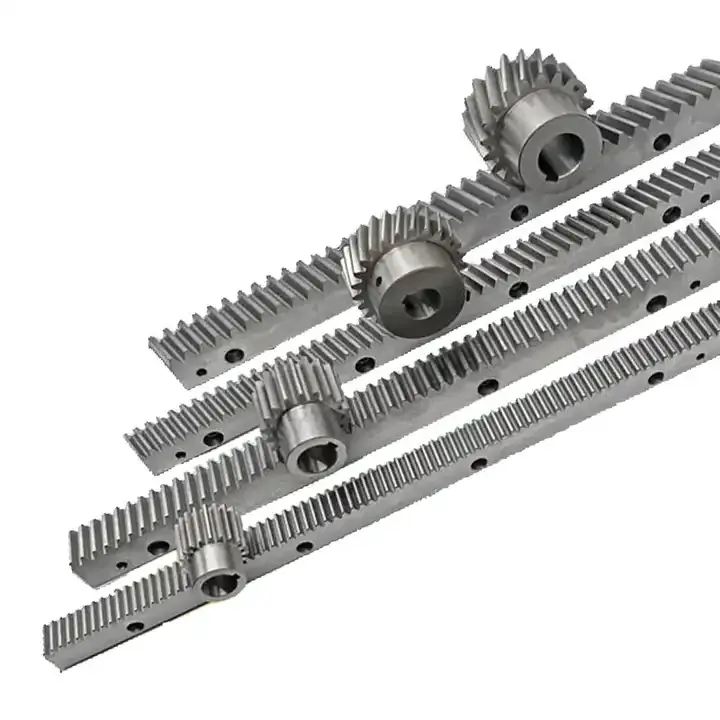
TEBAK Gear Rack, European Standard, Module Cut to Order
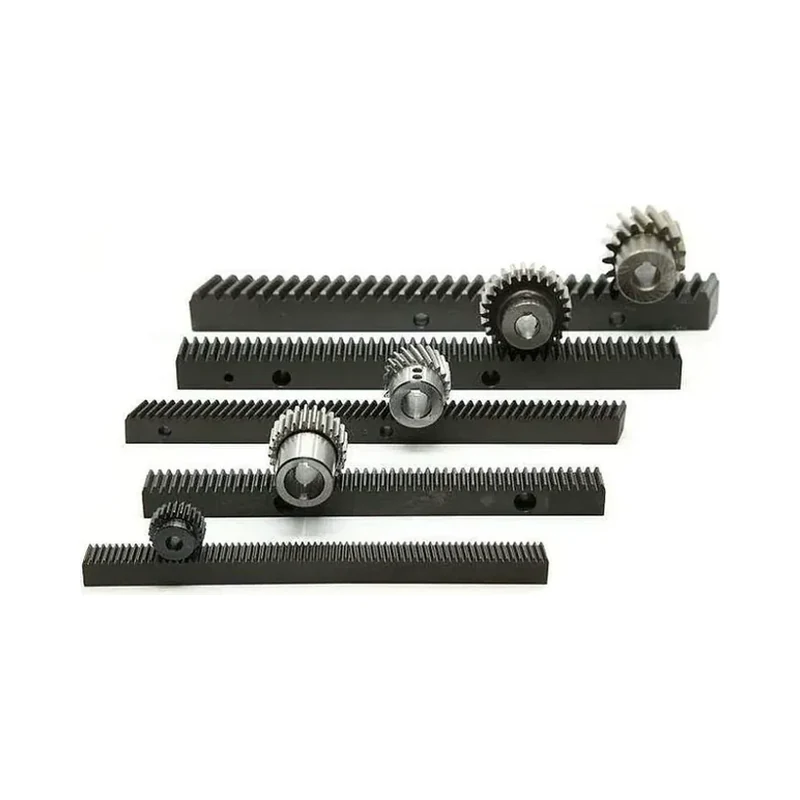
TEBAK Black Oxide Steel Straight Helical Gear Rack
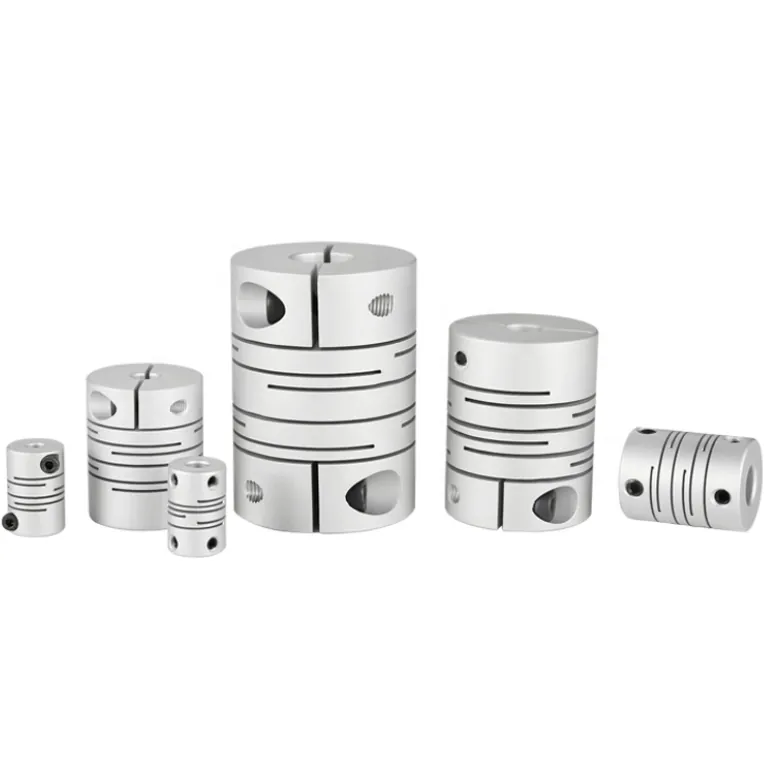
TEBAK Coupling, Grooved Parallel Line Coupler Aluminum
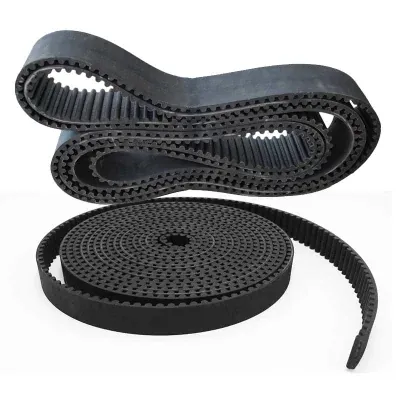
TEBAK Timing Belt, Open End Rubber or PU Industrial Belt
Interested in this product?
Send your details and we will respond within 24 hours.