
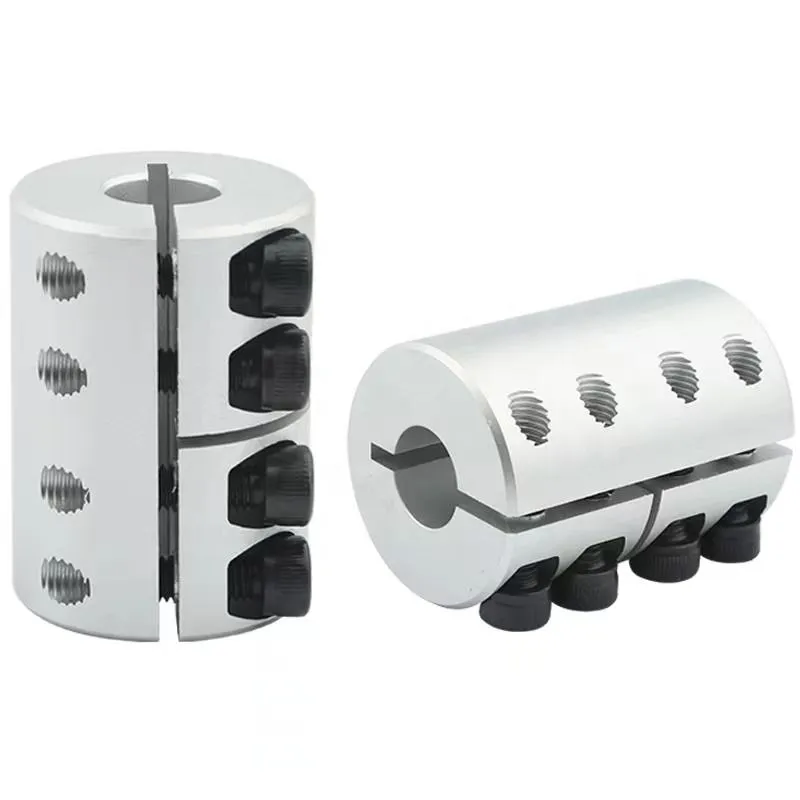
Steel Flexible Coupler, 2035 and 2525, 4-12.7 mm Bore, for servo drives
Request pricing, MOQ and lead time for this product — we reply within 24 hours.
Construction
| Type | Flexible |
|---|---|
| Structure | Universal |
| Material | Steel |
| Flexibility | Flexible |
Size
| Bore diameter | 4-12.7 mm |
|---|---|
| Models | 2035, 2525 |
Performance
| Maximum speed | 5,000 rpm |
|---|
Supply
| Standard | Standard |
|---|---|
| Customized support | ODM, OEM |
Values above are the manufacturer's published figures for this series. Anything not listed — dynamic load rating, straightness, preload class — is confirmed against the drawing at RFQ.
Description
Overview
A steel flexible shaft coupler for small shafts, supplied in the 2035 and 2525 models and covering bores from 4 mm to 12.7 mm. The universal construction puts a joint between the two hubs so the coupling can follow an angle between the shafts while still turning as one assembly, which is the arrangement needed when a motor shaft and a driven shaft cannot be brought onto a common centreline, or when the design deliberately offsets them to save space. Steel is used for the hubs because the small diameters leave little material to carry the torque, and a steel hub holds a clamp or a set screw thread far better than a light alloy one at this size.
Key Features
· Type: Flexible
· Bore diameter: 4-12.7 mm
· Maximum speed: 5,000 rpm
· Structure: Universal
· Material: Steel
· Standard: Standard
· Supplied as a replacement part or as a production item for machine builders
· Material, tolerance and surface treatment confirmed against the drawing
Specifications
The parameter table above lists the values published for this item. Where a value depends on the machine it is going into, the drawing or the RFQ fixes it, and we confirm before production rather than after.
Application
The 5,000 rpm rating puts this coupler in the group used on small fast axes rather than on large slow machinery. At that speed the mass of the coupling becomes a design quantity: every gram of rotating mass adds inertia that the motor must accelerate and decelerate on every move, and a small steel coupler keeps that inertia low enough for a stepper or a small servo to reverse without losing steps or drawing a current spike. Low mass also keeps the first bending critical speed well above the working speed, so the shaft line does not run into the resonance that shows up as vibration and noise at a particular rpm.
Bores from 4 mm to 12.7 mm cover the common small motor and lead screw shaft sizes, including the imperial sizes that appear on imported equipment: 6.35 mm, 9.525 mm and 12.7 mm are the inch equivalents of quarter, three eighth and half inch. A bore pair can combine two different diameters in one coupling, which is how a metric motor shaft is joined to an imperial screw without an adapter sleeve. When ordering, give both diameters, the engagement length available on each shaft, and whether the shafts are plain, keyed or have a flat.
The universal joint inside the coupler works by allowing the two halves to pivot about a cross piece, so the drive passes through the joint at an angle. That angle produces a small variation in angular velocity through each revolution, a characteristic of every single joint, and the effect grows quickly as the angle increases. Practical installation therefore keeps the running angle small and checks that the joint is not asked to carry an angle that the machine does not need. Where the driven shaft has to run at a large offset, two joints arranged so that the variations cancel are the usual solution, and this coupler is often used as one of the pair.
Installation on small shafts is mostly about not damaging the fit. Support the motor and the driven part so the shafts sit at the working angle before the coupling is fitted, slide the hubs on without forcing, and tighten the fixing screws evenly. A coupling used to pull two shafts into alignment will load its own joint and the motor bearing continuously, and the symptom is a whine that follows the rotation speed. After fitting, turn the assembly by hand through several revolutions and feel for a tight spot, then run the axis slowly before taking it to full speed, listening for the point where vibration starts.
Installation & Maintenance
Applications include the motor to lead screw joint on small CNC routers and engravers, the Z axis of desktop mills, 3D printer and laser cutter axes, camera and sensor positioning stages, laboratory instruments, medical and analytical equipment where the drive sits close to the mechanism, small conveyor and feeder drives, and the handwheel or encoder connection on a machine where the operator needs a direct mechanical link. The size range also suits model making and prototyping benches where the shaft sizes are small and the parts have to be changed often.
On torque, the small steel hub carries a useful load for its size, but the joint is the part that sets the limit: the cross piece and its bearing surfaces see the full torque concentrated on a small area, so shock loads and jams are what shorten life. A drive that stalls against a hard stop, or a mechanism that is bumped while the motor holds position, sends a load spike straight through the joint. Where that can happen, a coupling with an elastomer insert is the better choice because the insert absorbs the spike instead of passing it to the cross.
Keeping the joint alive is a matter of lubrication and alignment. The bearing surfaces inside the joint need the grease they were assembled with, and a coupler that runs dry will develop play that shows up as backlash in the axis. Re-grease at the interval set by the duty, keep the joint clear of coolant and swarf, and check the angle after any maintenance that moves the motor, because a motor that has been re-shimmed changes the angle the joint runs at. A coupling that has developed visible play should be replaced rather than re-tightened.
The 2035 and 2525 models differ in body size and therefore in the bore range and the torque they can carry, so the model is chosen against the shaft diameter first and the torque second. For a first quotation, send the two shaft diameters, the distance between the shaft ends, the working angle if it is known, the maximum speed, and the space available around the coupling. With those five items the model and the bore pair can be fixed without a drawing, and a drawing can then be issued for approval before production.
The part is ordered as a steel shaft coupling, and on small machines it is often described as a universal joint coupling rather than a jaw coupling, because the cross piece and not an elastomer star is what carries the angle. It is not a plum coupling and it is not a clamp hub design: the hubs are fixed by a screw, so the clamp screw should be tightened against a flat and checked after the first hours of running. When an enquiry mentions a flexible shaft coupling without naming a type, the deciding question is whether the shaft line needs to bend, which this coupler allows, or only to be damped, which a spider coupling does better.
Package & Lead Time
Standard export packing: each part is sleeved and cartoned, screws and rails are protected along their length, and larger assemblies travel crated. Lead time is confirmed with the quotation: standard sizes normally ship within 5 to 15 days of a confirmed drawing, custom parts against the agreed schedule. Minimum order is one piece, and sample orders are accepted before a production run.
Request a Quote
Send the model number or the drawing, with the shaft or rail size and the quantity you need, and we will reply with a quotation. For non-standard lengths, bore pairs, keyways and material changes we work from your drawing; bulk orders are quoted per quantity band and a sample can be supplied for approval.
Related components
Detail images
Questions buyers ask about this item
What bore sizes are available?
4-12.7 mm.
Which body sizes are in this range?
2035, 2525.
What speed is it rated for?
5,000 rpm.
Can the bore be machined to my shaft?
Yes. Bore pairs, keyways and clamp sizes are machined to the drawing, including mixed bores on the two hubs.
Is the torque rating fixed?
Torque is quoted for the body and bore you order and is confirmed on the drawing.
Related products
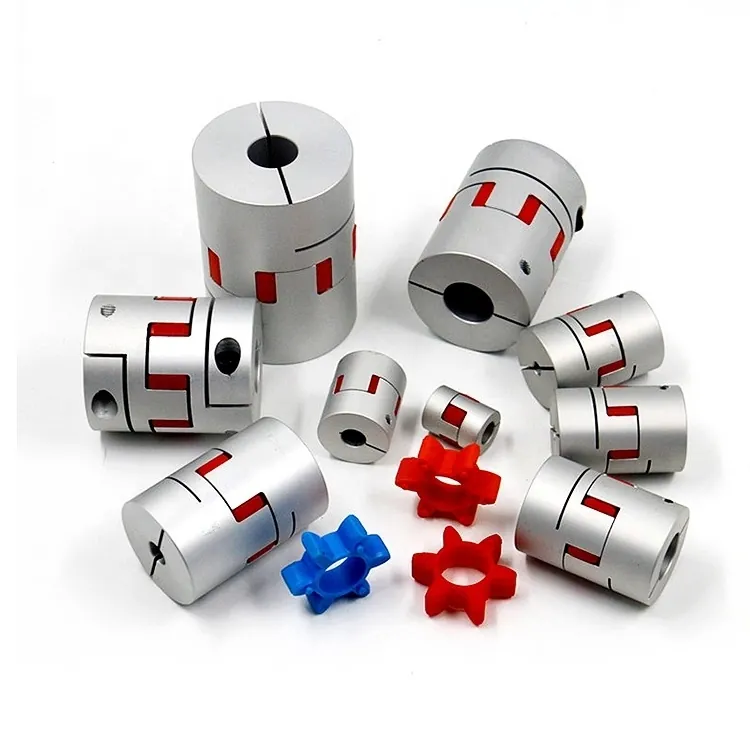
TEBAK High-strength Flexible Spider Jaw Type Clamping
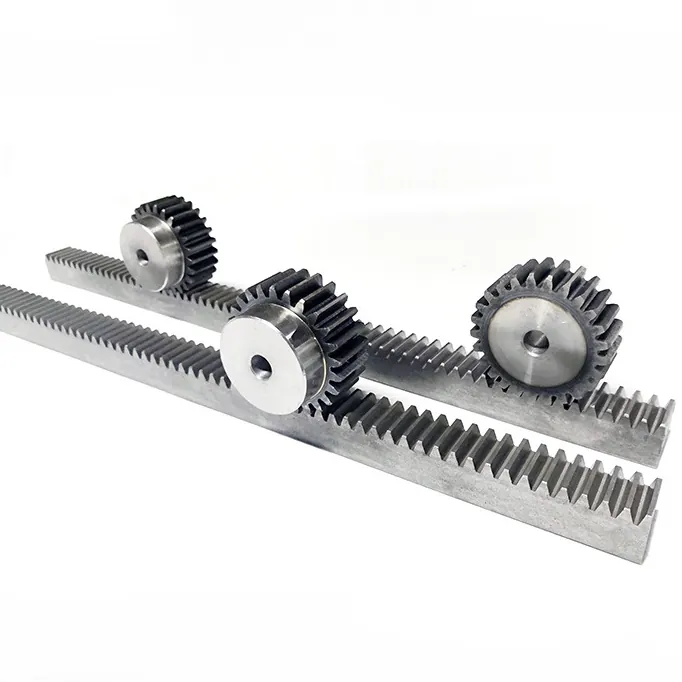
TEBAK Gear Rack, Straight Tooth M1 M2 M3 M4 M5 M6 Custom
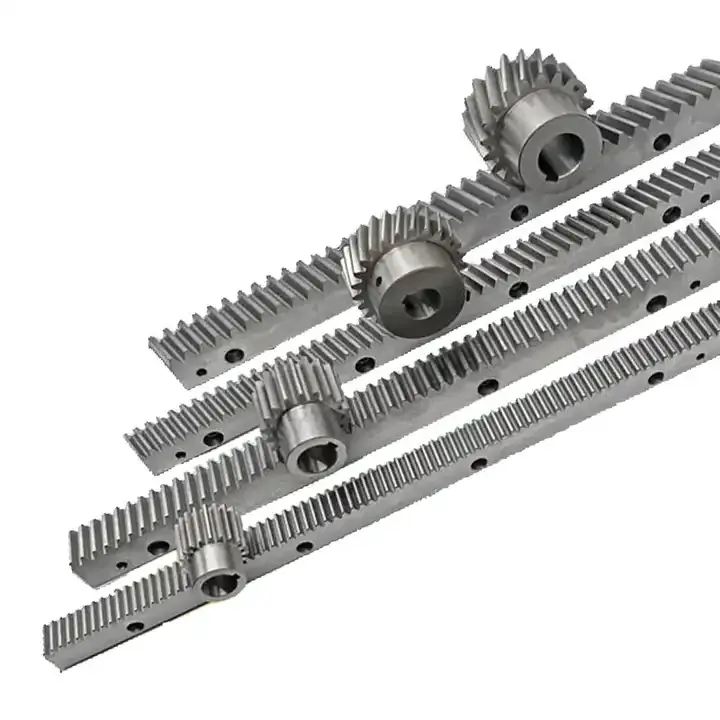
TEBAK Gear Rack, European Standard, Module Cut to Order
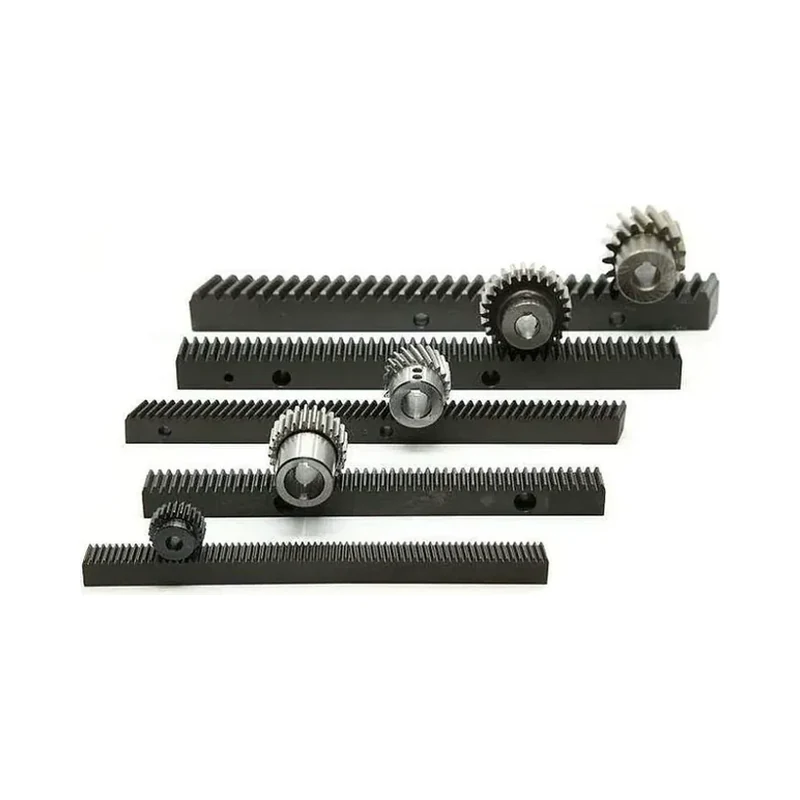
TEBAK Black Oxide Steel Straight Helical Gear Rack
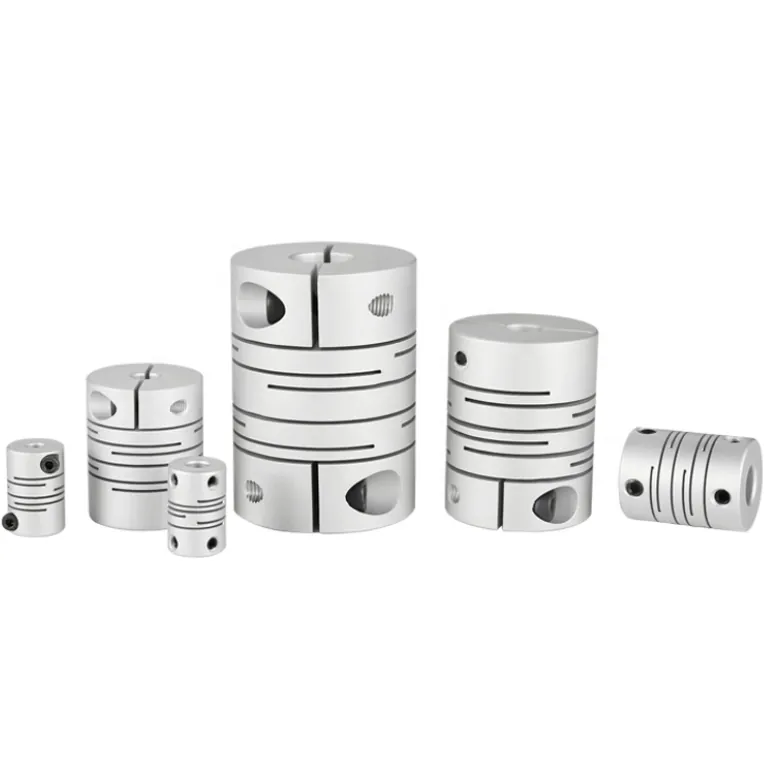
TEBAK Coupling, Grooved Parallel Line Coupler Aluminum
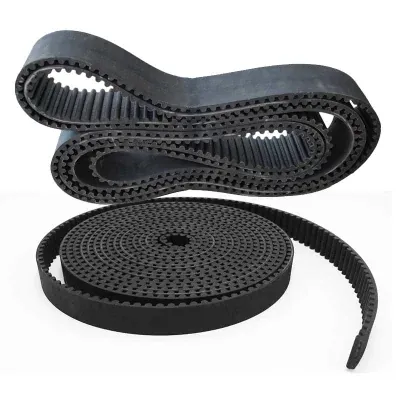
TEBAK Timing Belt, Open End Rubber or PU Industrial Belt
Interested in this product?
Send your details and we will respond within 24 hours.