
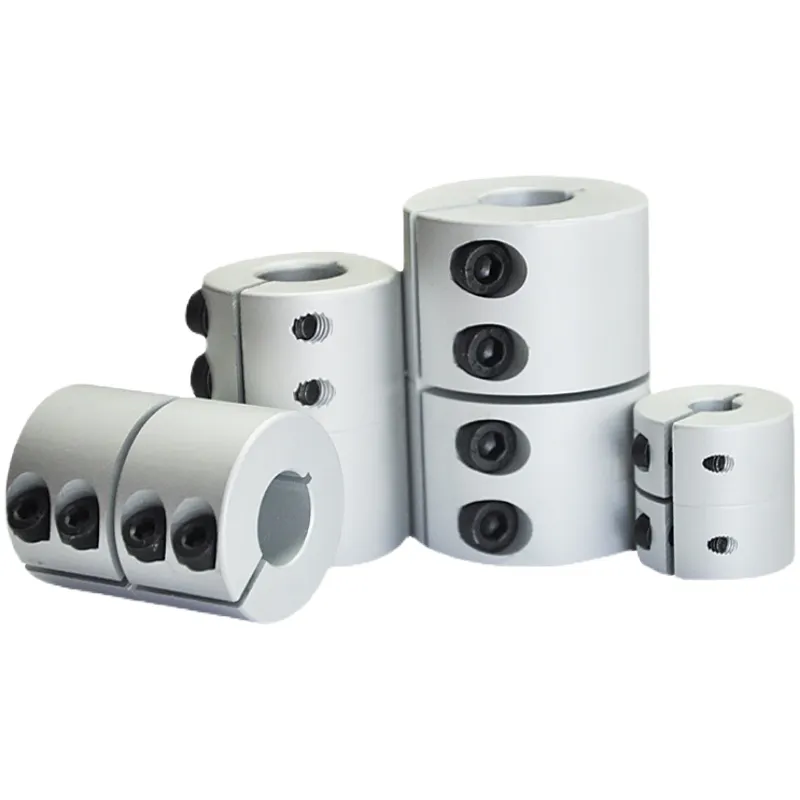
Rigid Shaft Coupling, Jaw Spider Body, 20 mm Bore, for servo drives
Request pricing, MOQ and lead time for this product — we reply within 24 hours.
Construction
| Type | Rigid |
|---|---|
| Structure | Jaw / Spider |
| Material | Aluminum |
| Flexibility | Rigid |
Size
| Bore diameter | 20 mm |
|---|
Performance
| Maximum speed | 2,000 rpm |
|---|
Supply
| Standard | Standard |
|---|---|
| Customized support | ODM, OEM |
Values above are the manufacturer's published figures for this series. Anything not listed — dynamic load rating, straightness, preload class — is confirmed against the drawing at RFQ.
Description
Overview
A rigid shaft coupling machined from aluminium with a 20 mm bore, a jaw and spider body split by a radial slit and closed by a clamp screw. The two hubs are locked onto the shafts by friction around the full circumference of the bore rather than by a point contact, so the joint transmits torque without the shaft marking and without the small rotational play that a keyed or set screw connection can develop after repeated reversals. Because the body has no flexible element between the hubs, the coupling holds the two shafts in a fixed angular relationship: input rotation appears at the output with the same phase, which is what a drive train needs when the load must follow the motor exactly.
Key Features
· Type: Rigid
· Bore diameter: 20 mm
· Maximum speed: 2,000 rpm
· Structure: Jaw / Spider
· Material: Aluminum
· Standard: Standard
· Supplied as a replacement part or as a production item for machine builders
· Material, tolerance and surface treatment confirmed against the drawing
Specifications
The parameter table above lists the values published for this item. Where a value depends on the machine it is going into, the drawing or the RFQ fixes it, and we confirm before production rather than after.
Application
Rigid shaft couplings belong on shafts that are already aligned by the machine structure. Typical places are the motor to ball screw connection on a CNC axis, a pinion shaft on a rack and pinion gantry, the input of a gear reducer, an encoder shaft that must not lag the motor, and any intermediate shaft where a flexible element would add wind up. When the two shaft centrelines can move relative to each other, whether from machining tolerance, thermal growth or bearing clearance, a rigid coupling passes that displacement straight into the bearings and the shaft ends. In those cases a jaw coupling, a disc coupling or a plum coupling is the correct part and this coupling should not be forced into the position.
The body is turned from aluminium, which keeps the rotating mass low and reduces the load on the motor bearing at the speeds this coupling is rated for, 2,000 rpm. A low mass also raises the torsional natural frequency of the drive train, which matters on servo axes that reverse quickly and on any axis where the controller bandwidth approaches the resonance of the mechanics. The jaw and spider geometry is cut into the body rather than bolted on, so there is no separate insert that can creep or fall out, and the single slit clamp closes evenly because the screw pulls across the split rather than pressing on one side of the bore.
Bore and fit are the first things to agree before ordering. The standard bore is 20 mm; bore pairs can be supplied to suit two different shaft diameters, and keyways, flats or additional clamp screws can be added to the drawing. A shaft ground to h7 tolerance gives a close sliding fit that the clamp can close onto without distorting the hub, while a shaft that is oversize will open the slit and a shaft that is undersize will leave the clamp with nothing to grip. Measure the shaft with a micrometer at several points along the engagement length rather than trusting a nominal size, because a shaft that has been handled or stored badly is often a few hundredths out of round at the end.
Installation is short but decides how long the coupling lasts. Clean the bore and the shaft with a solvent, remove burrs from the shaft end and any keyway edges, slide the coupling on until the shaft ends sit inside the hubs by the engagement depth, and tighten the clamp screw to the recommended torque with a torque wrench rather than by feel. Rotate the assembly by hand to feel for binding, then indicate the outside diameter and the face of each hub with a dial test indicator; runout shows both a bent shaft and an off centre bore, and it is far cheaper to correct at this stage than after the axis has been cutting for a week. Where two clamp screws are supplied, tighten them in stages and alternately so the slit closes evenly.
Installation & Maintenance
Torque sizing deserves more care than the catalogue number. A servo drive can deliver several times its rated torque during acceleration, and a reversal applies that torque in the opposite direction within milliseconds, so the coupling should be selected against the peak torque of the motor or the peak load of the axis rather than the continuous rating. A safety factor on top of the peak protects against a jammed axis, where the motor produces stall torque until the drive trips. Because this coupling has no flexible element to absorb shock, any shock load in the machine reaches the coupling directly, and the clamp screw is the part that will show the effect first.
Applications for a 20 mm bore rigid coupling cover the small and medium machine market: CNC routers and mills on the ball screw axis, laser and plasma cutting gantries, pick and place heads, labelling and packaging machines, printing and converting equipment, laboratory positioning stages, test rigs where the measured angle must match the commanded angle, and the motor to screw joint on linear modules. It is also used between two sections of a line shaft where a single rigid connection maintains timing, and on pump and fan drives that have been aligned on a common baseplate.
Maintenance is limited to the clamp screw and a visual check. Re-check the screw torque after the first few hours of running, because the clamp settles into the shaft surface and the preload drops, then at the intervals set by the machine builder. Look for fretting marks around the bore, a polished ring that shows the hub has been creeping on the shaft, and for any change in the sound of the axis. Store the coupling in its packaging until fitting, keep the bore oiled against corrosion, and do not use the clamp screw to pull the coupling onto a tight shaft, because that loads the thread in a direction it was not designed for.
Ordering information that shortens a quotation: bore pair, keyway or plain bore, clamp screw quantity, material and finish, shaft tolerance if not h7, the maximum speed of the axis, and whether the coupling will see reversals or a continuous direction. Send the shaft drawing or a sketch with the diameters and the engagement length and the coupling can be quoted against the actual joint rather than against a nominal bore.
In catalogue terms this is a rigid shaft coupling, and it is often asked for as a clamp hub coupling because the slit and screw are what people remember about it. Buyers looking for a jaw coupling or a spider coupling are usually trying to absorb misalignment, which this part does not do: it has the jaw shaped body but not the flexible star, so there is no zero backlash claim to make and no torsional stiffness figure to trade against a servo motor selection. If the enquiry came from a search for a spider coupling, the right answer is one of the jaw couplings in the same bore range rather than this one.
Package & Lead Time
Standard export packing: each part is sleeved and cartoned, screws and rails are protected along their length, and larger assemblies travel crated. Lead time is confirmed with the quotation: standard sizes normally ship within 5 to 15 days of a confirmed drawing, custom parts against the agreed schedule. Minimum order is one piece, and sample orders are accepted before a production run.
Request a Quote
Send the model number or the drawing, with the shaft or rail size and the quantity you need, and we will reply with a quotation. For non-standard lengths, bore pairs, keyways and material changes we work from your drawing; bulk orders are quoted per quantity band and a sample can be supplied for approval.
Related components
Detail images
Questions buyers ask about this item
What bore sizes are available?
20mm.
What speed is it rated for?
2000 RPM.
Can the bore be machined to my shaft?
Yes. Bore pairs, keyways and clamp sizes are machined to the drawing, including mixed bores on the two hubs.
Is the torque rating fixed?
Torque is quoted for the body and bore you order and is confirmed on the drawing.
Related products
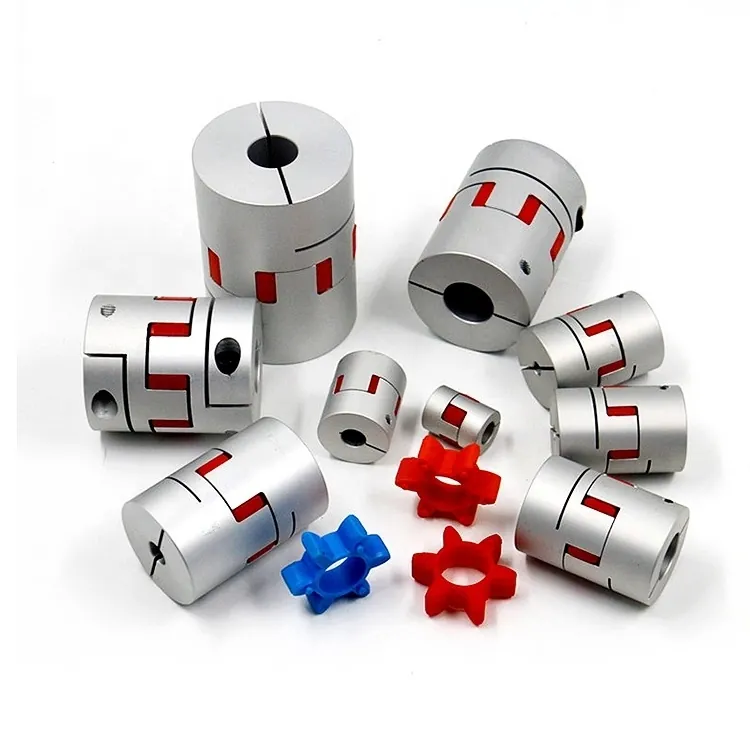
TEBAK High-strength Flexible Spider Jaw Type Clamping
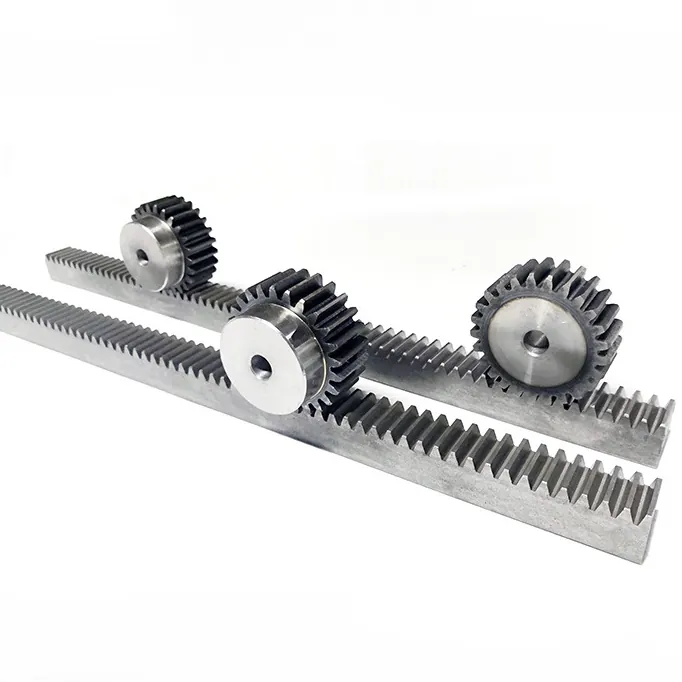
TEBAK Gear Rack, Straight Tooth M1 M2 M3 M4 M5 M6 Custom
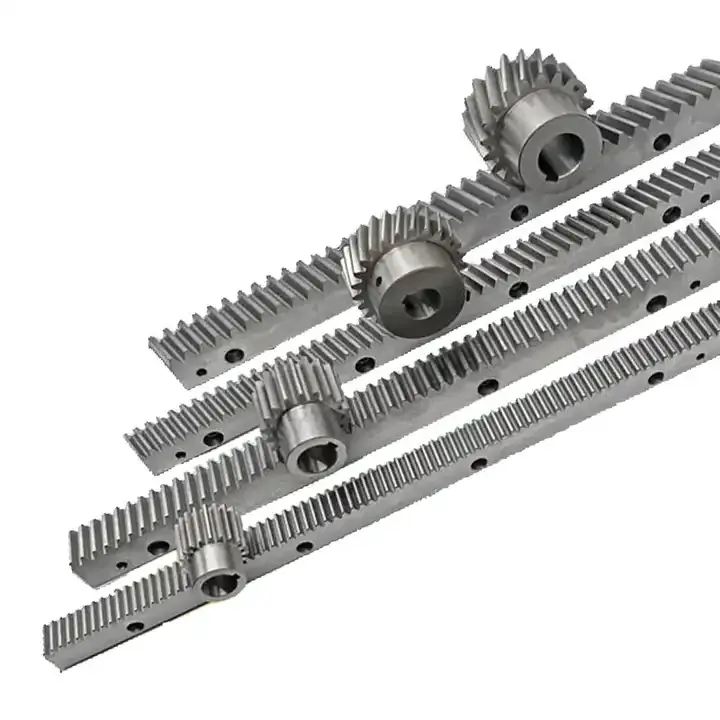
TEBAK Gear Rack, European Standard, Module Cut to Order
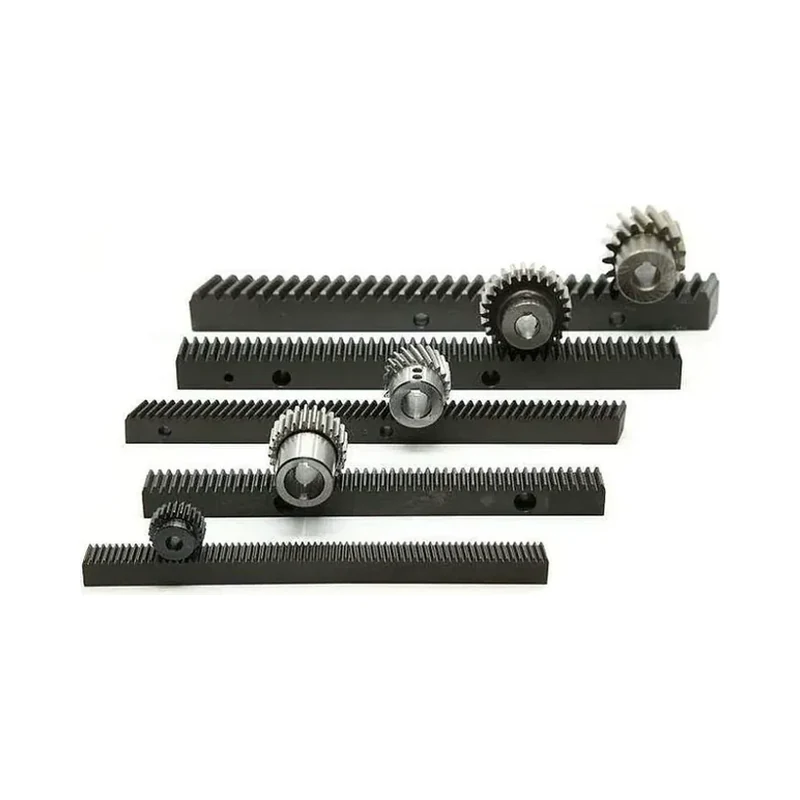
TEBAK Black Oxide Steel Straight Helical Gear Rack
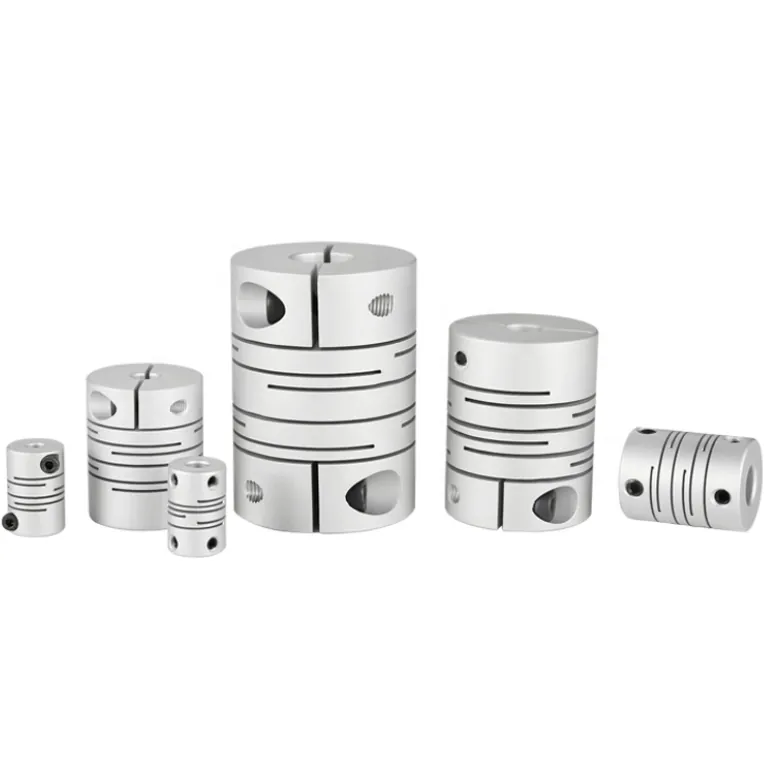
TEBAK Coupling, Grooved Parallel Line Coupler Aluminum
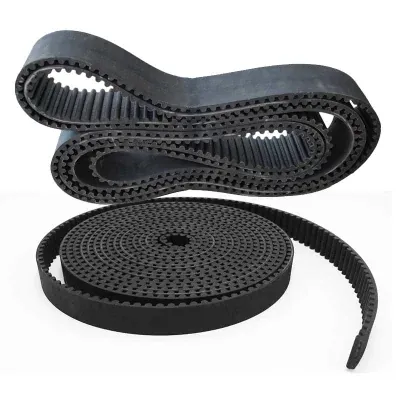
TEBAK Timing Belt, Open End Rubber or PU Industrial Belt
Interested in this product?
Send your details and we will respond within 24 hours.