
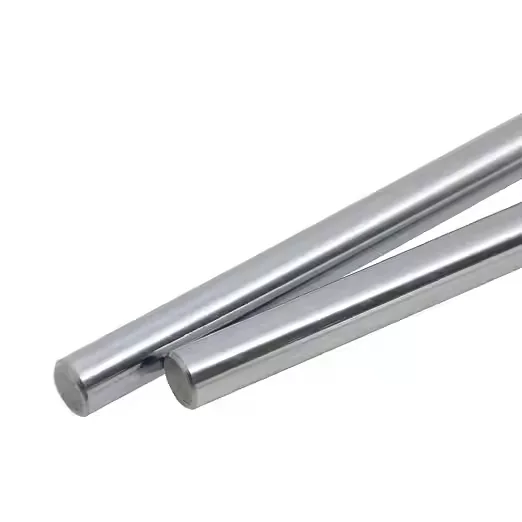
Hardened Ground Shaft Rod, 1.5 mm to 10 mm, Bearing Steel
Request pricing, MOQ and lead time for this product — we reply within 24 hours.
Material and finish
| Material | Bearing steel, through hardened |
|---|---|
| Finish | Ground; black oxide on request |
| Use | Small shafts, pins, guide rods, rollers |
| Straightness | Confirmed against the drawing |
Supply conditions
| Diameter | 1.5, 2, 3, 4, 6, 8 and 10 mm |
|---|---|
| Length | Cut to order |
| Packing | Sleeved bundles, carton |
| Lead time | Confirmed at quotation |
Values above are the manufacturer's published figures for this series. Anything not listed — dynamic load rating, straightness, preload class — is confirmed against the drawing at RFQ.
Description
Overview
Below about 10 mm, shafts stop being structural and start being precise: they guide a small
carriage, locate a pin, carry a roller or form the axis of an instrument. At that size the
governing requirements change. Deflection still matters, but so does the straightness of a rod that
is only a few millimetres across, and the surface finish becomes the dominant factor because the
bearing or bushing riding on it is small and lightly loaded.
These rods are made from bearing steel, through hardened and then ground. Because the hardness goes
through the section rather than sitting in a thin case, a rod that is ground or polished in service
keeps the wear resistance it started with.
Key Features
· Bearing steel, through hardened rather than case hardened
· Ground finish for small bushings and linear bearings
· Diameters 1.5, 2, 3, 4, 6, 8 and 10 mm
· Black oxide available for mild corrosion protection
· Cut to length, with ends squared or chamfered to drawing
· Suits instruments, small stages, pins and rollers
Specifications
The parameter table above lists the published values. Diameter tolerance, straightness over the
ordered length and the end condition are agreed on the drawing; at these diameters a tolerance band
that is routine on a 20 mm shaft is a different manufacturing problem, so we confirm it against the
bore the rod runs in rather than quoting a catalogue number.
Application
Small hardened rods are used in optical and laboratory stages, small CNC and engraving machines,
3D printer axes, medical and dental instruments, dispensing heads, camera sliders, and as guide pins
or rollers inside mechanisms. They also replace worn pins in tooling where the original is a
standard ground rod.
Where the environment is wet or the rod is handled often, a stainless alternative is worth
considering, since a thin black oxide film does not survive abrasion for long.
Installation & Maintenance
Keep these rods straight and clean: at 3 mm, a rod that is dropped on the floor is often no longer
straight enough for a precision axis, and the bend is hard to see. Store them in their sleeve until
installation, support them along their length when they are mounted, and align the two ends before
tightening so the carriage does not bind at mid-stroke.
Lubricate lightly with the grease specified for the bushing, and inspect for scoring at each service.
Because the material is through hardened, a lightly worn rod can sometimes be polished back into
service, which is not true of a coated one.
Package & Lead Time
Rods are supplied in sleeved bundles and cartoned; long thin rods are supported in the package so
they cannot bow in transit. Lead time is confirmed at quotation, normally within 5 to 15 days for
standard diameters. Minimum order is one piece.
Request a Quote
Send the diameter, the length, the tolerance and the end condition, and tell us what the rod runs
in. For a replacement, the bore diameter of the worn bushing is often the most useful number you
can give us.
Related components
Detail images
Questions buyers ask about this item
What are these small hardened rods used for?
Small linear axes, guide pins, rollers, ejector and locating pins, and the moving parts inside instruments and small mechanisms where a 3 to 10 mm shaft carries the load.
Is the hardness through the section or only on the surface?
Bearing steel is through hardened, so a worn or reground rod keeps its hardness. That is the difference from a case-hardened pin, where grinding through the case loses the wear resistance.
How tight is the diameter tolerance?
It is agreed on the drawing, because a 1.5 mm rod and a 10 mm rod cannot hold the same band economically. Tell us the bore it runs in and we will quote the matching tolerance.
Can these be supplied in stainless?
Yes, on request. For small diameters in wet environments stainless is often the better answer than a coated carbon rod, since there is no coating to wear through.
Related products
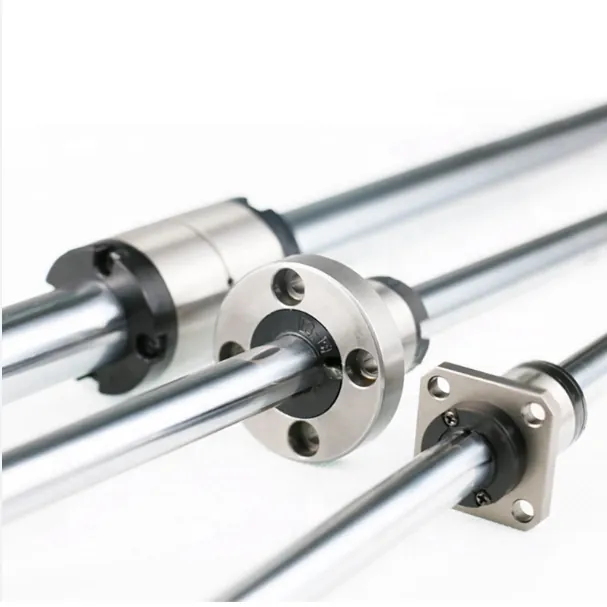
TEBAK Ball Spline, High Speed 10mm 13mm 16mm 20mm 25mm
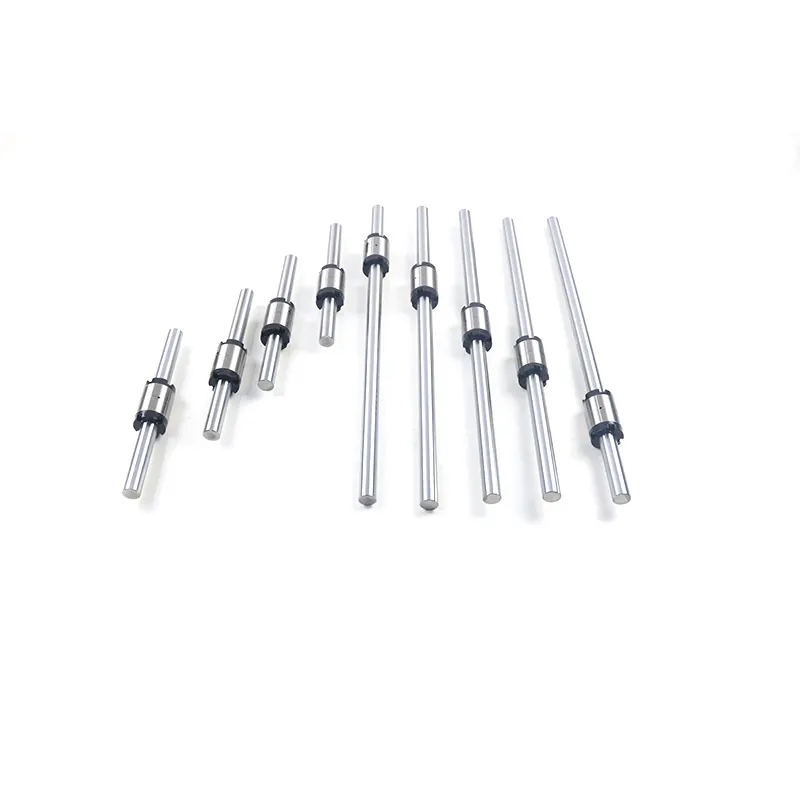
TEBAK Precision SLT008–SLT016 Ball Spline, grade N,H,P
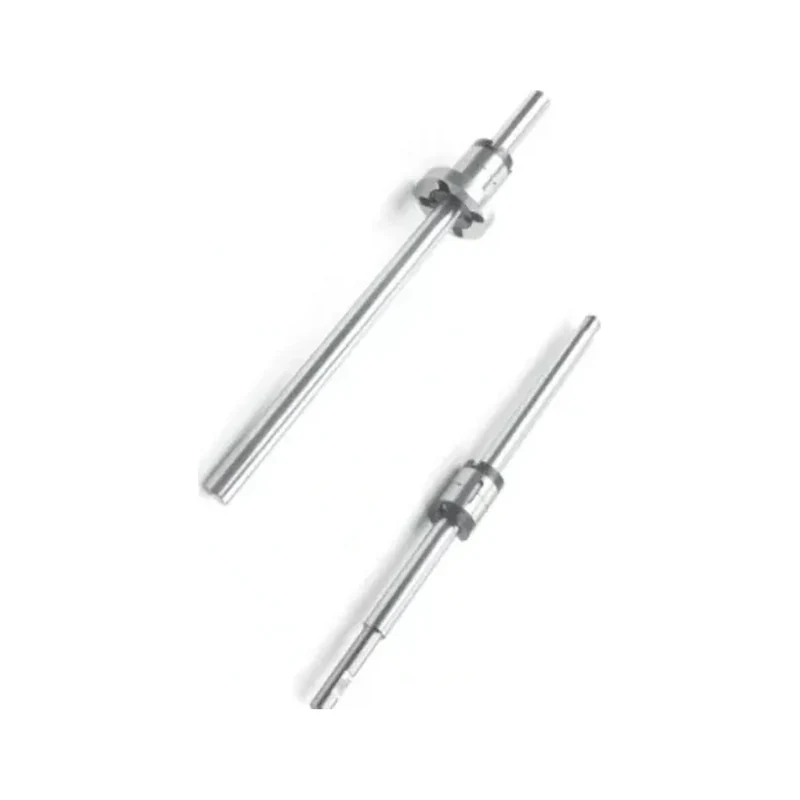
TEBAK Diameter 8mm 10mm 13mm 16mm Solid /hollow Custom
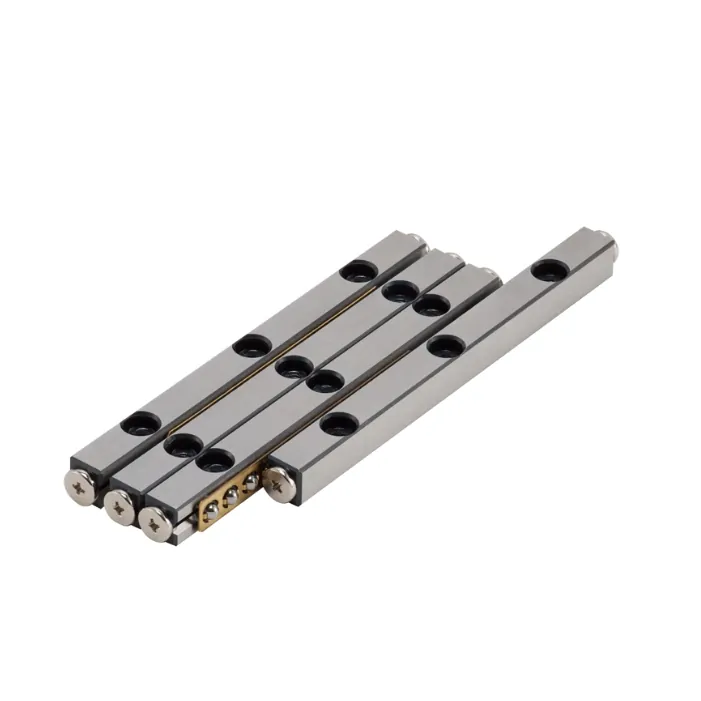
TEBAK Micron or Nanometer-level Positioning, grade H,P,SP
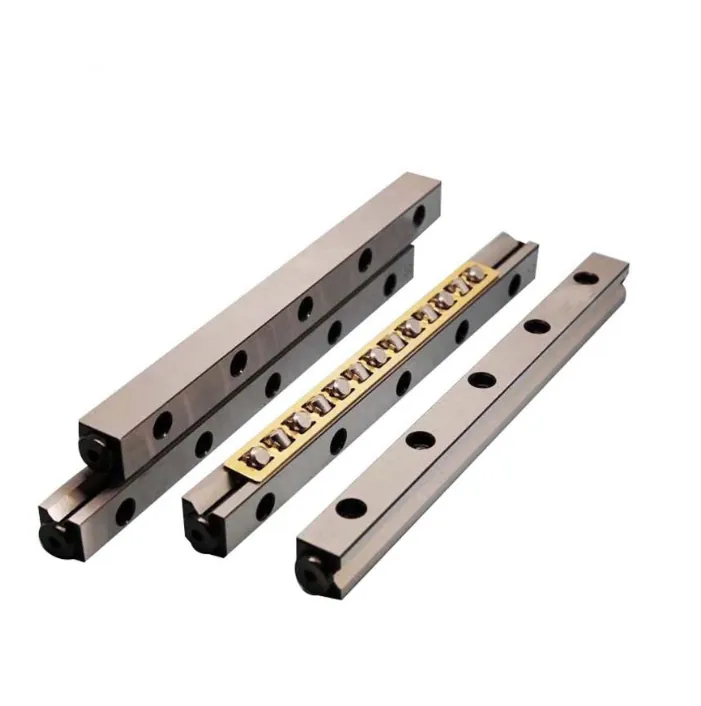
TEBAK Roller Linear Bearings VR1-20 VR2-30 VR3-50
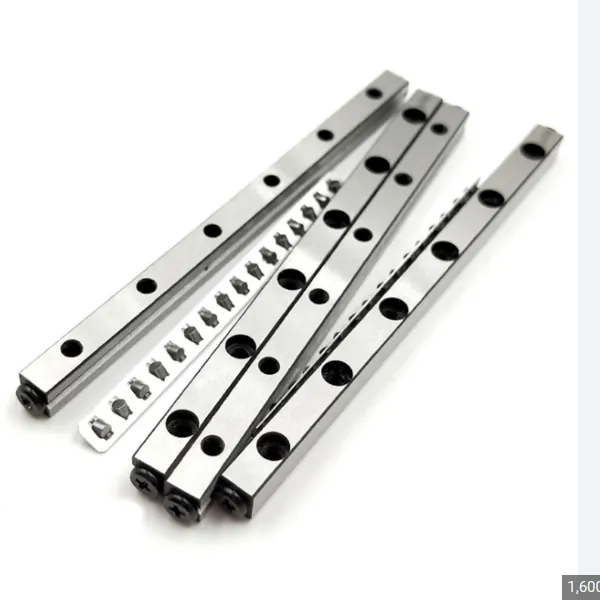
TEBAK Smooth Motion Precision Cross Roller Guides VR4
Interested in this product?
Send your details and we will respond within 24 hours.