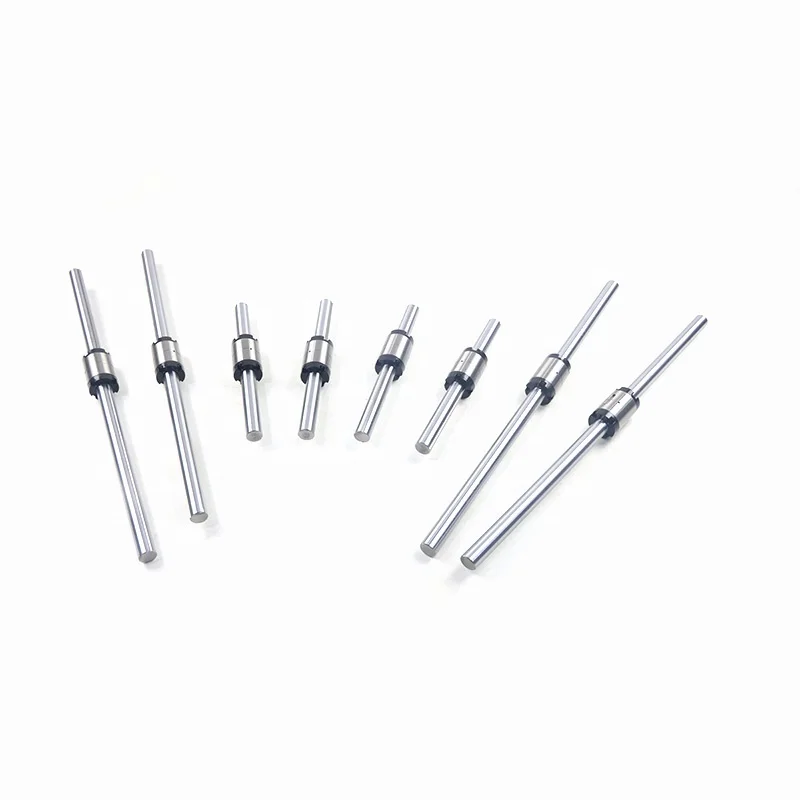
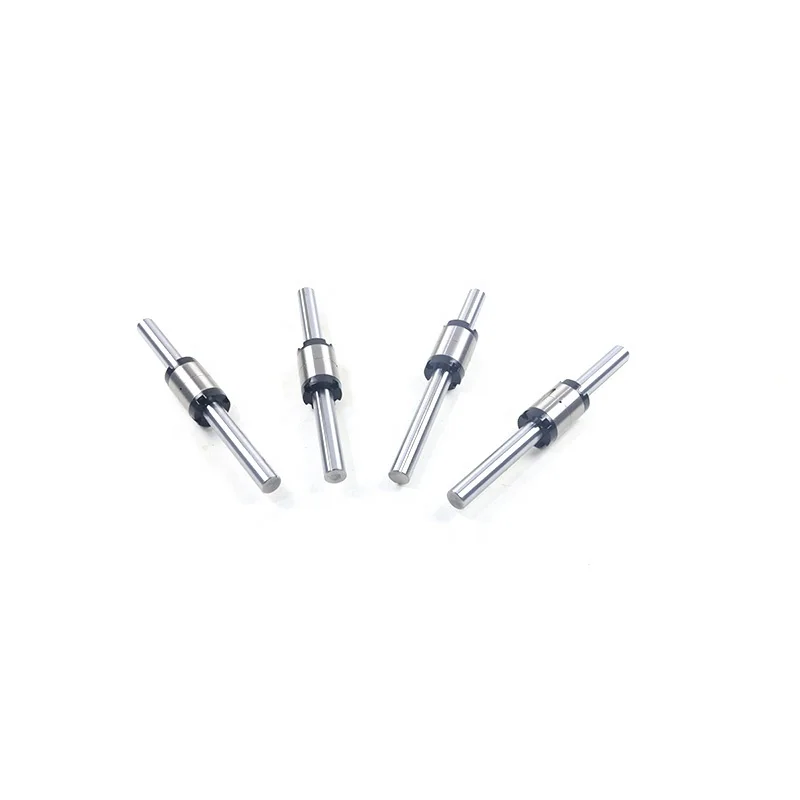
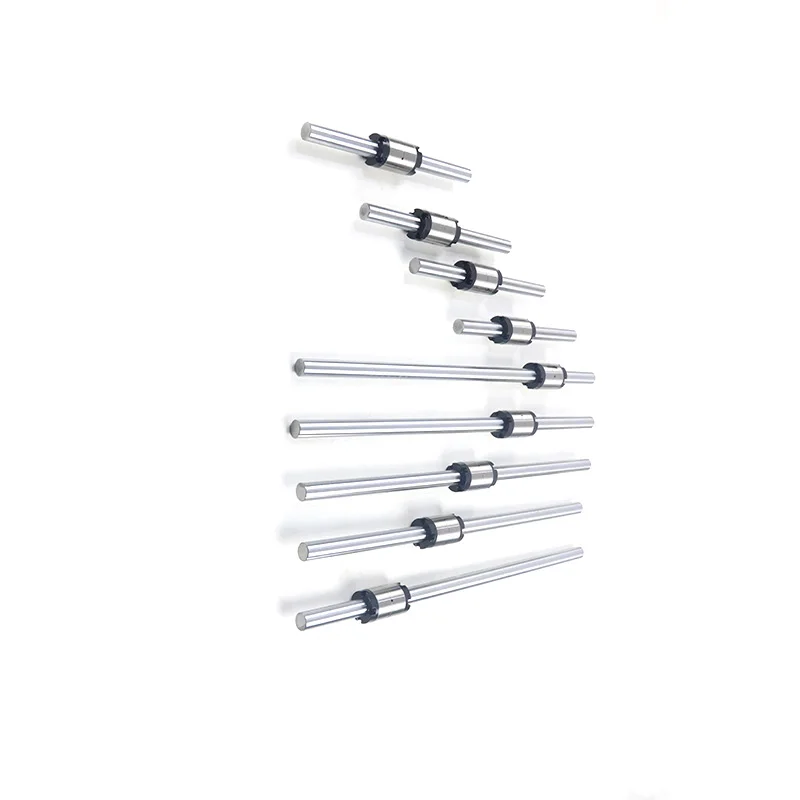
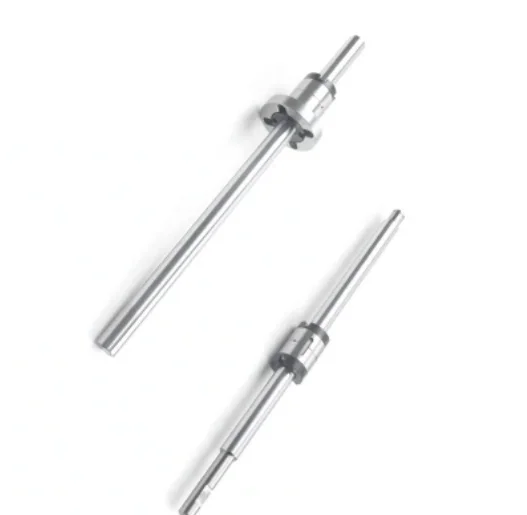
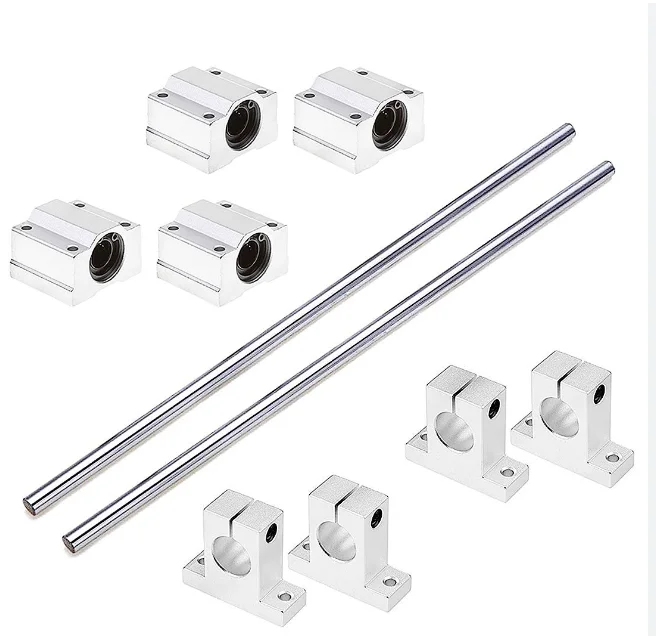
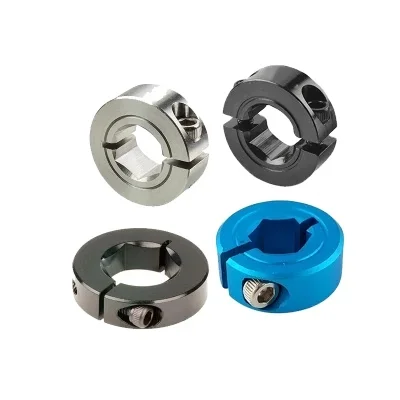
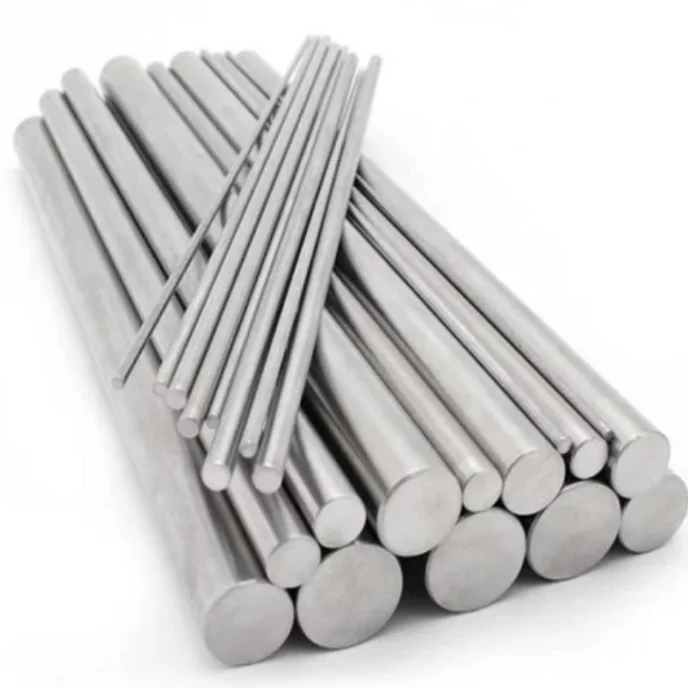
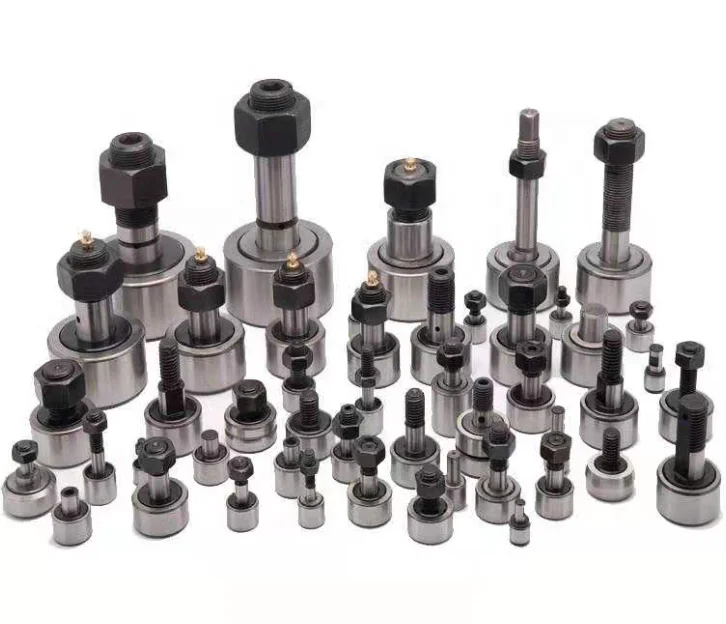
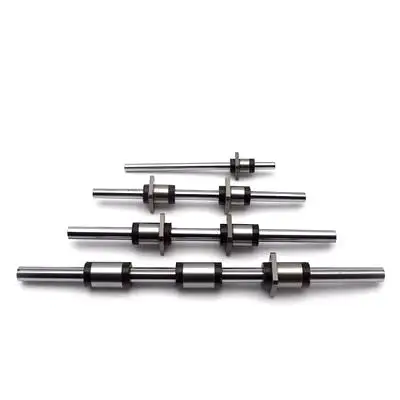
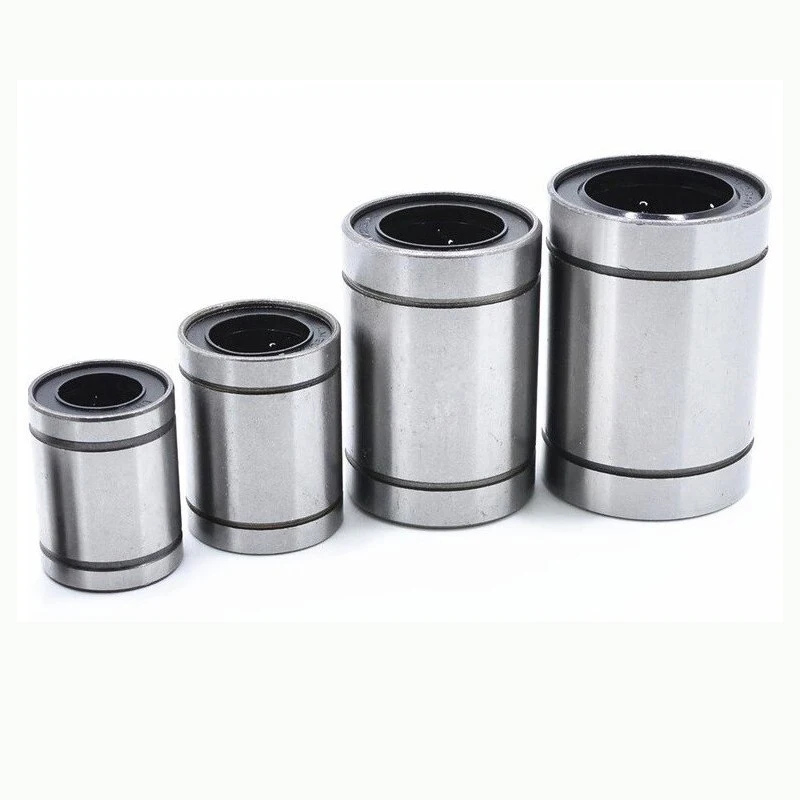
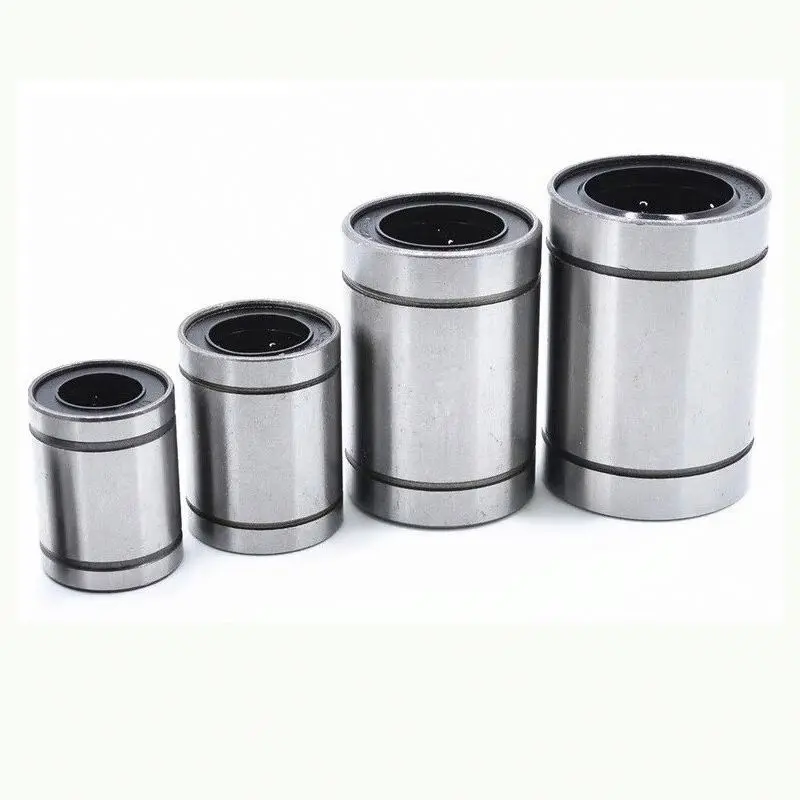
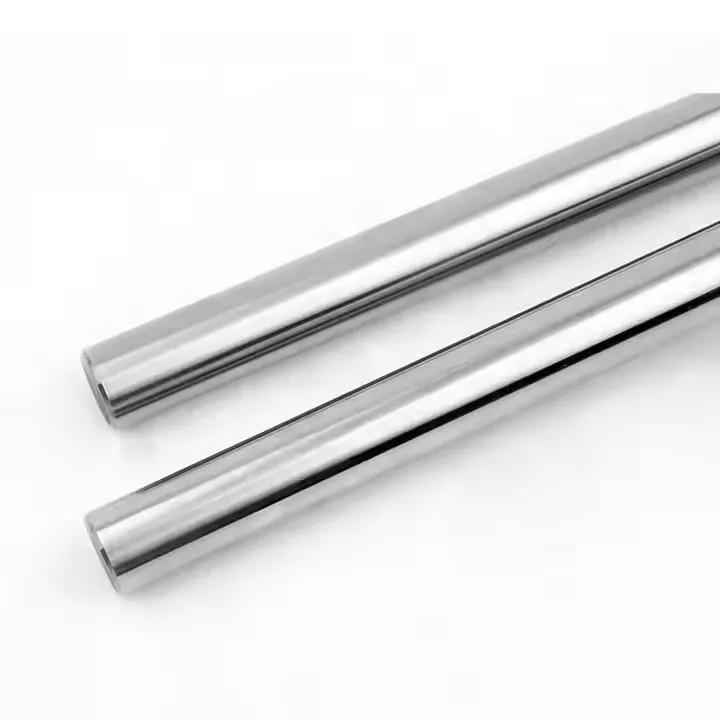
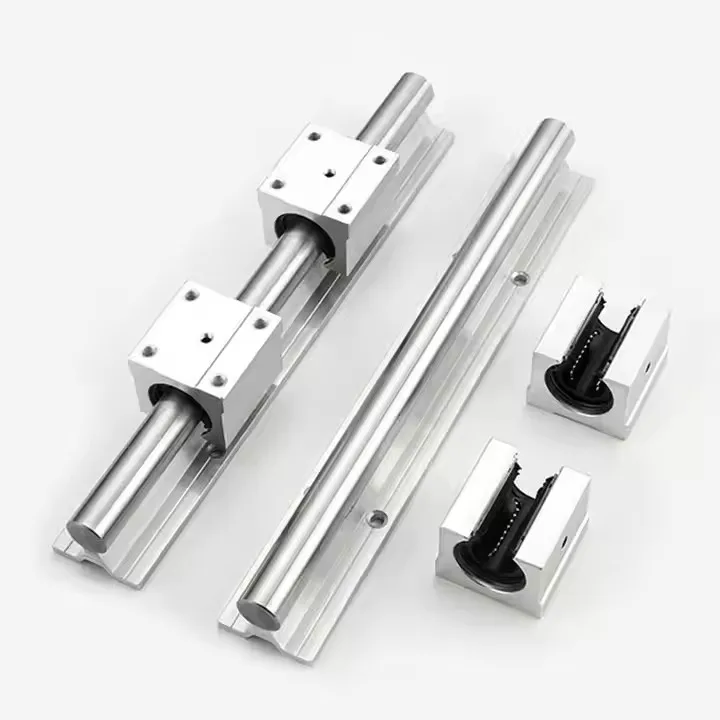
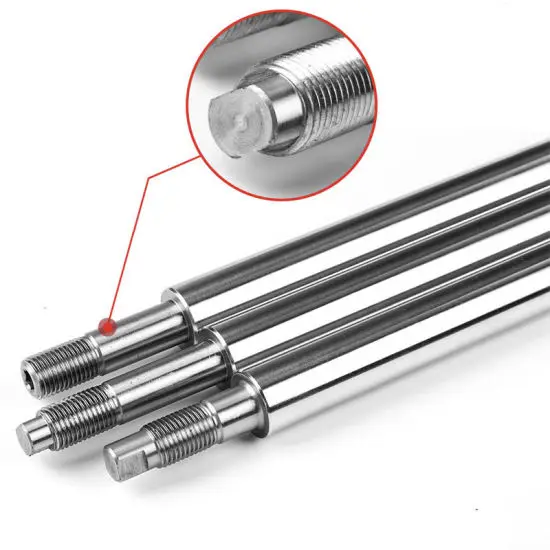
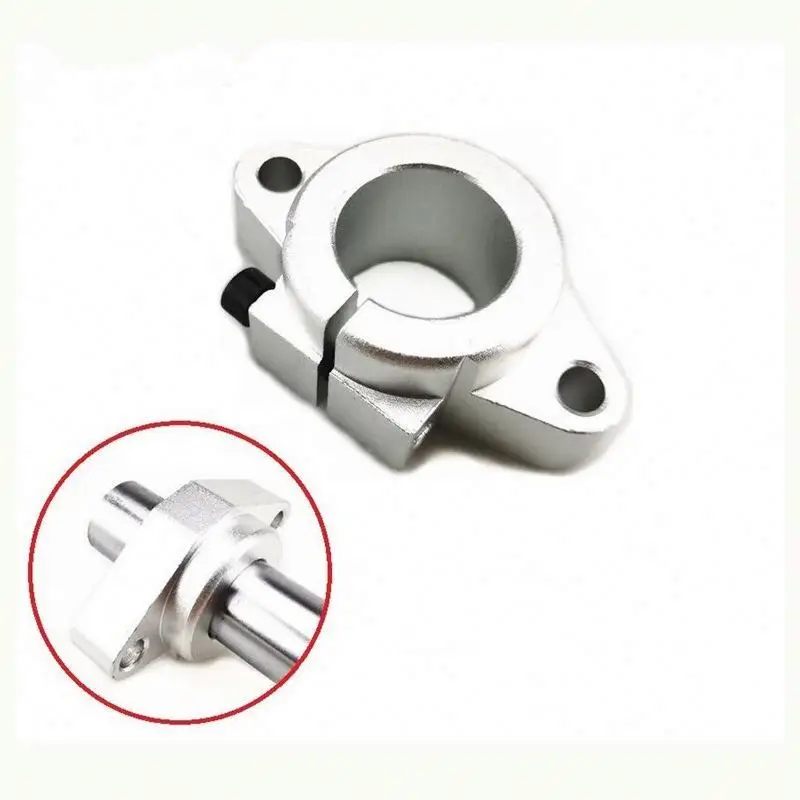
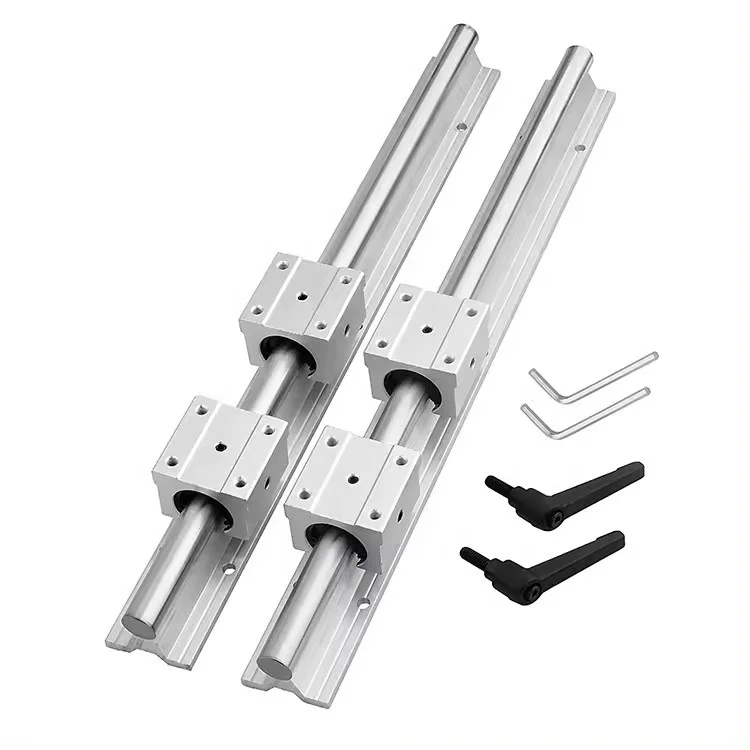
Round-shaft linear motion is the oldest arrangement in the catalogue and still the cheapest way to build an axis with travel in any direction. A hardened shaft carries a bushing or a ball spline nut; the shaft takes the bending load, the bushing takes the wear. Everything that goes wrong with the arrangement traces back to two things: shaft hardness and shaft straightness.
What is here
| Item | Range in catalogue | Note |
|---|---|---|
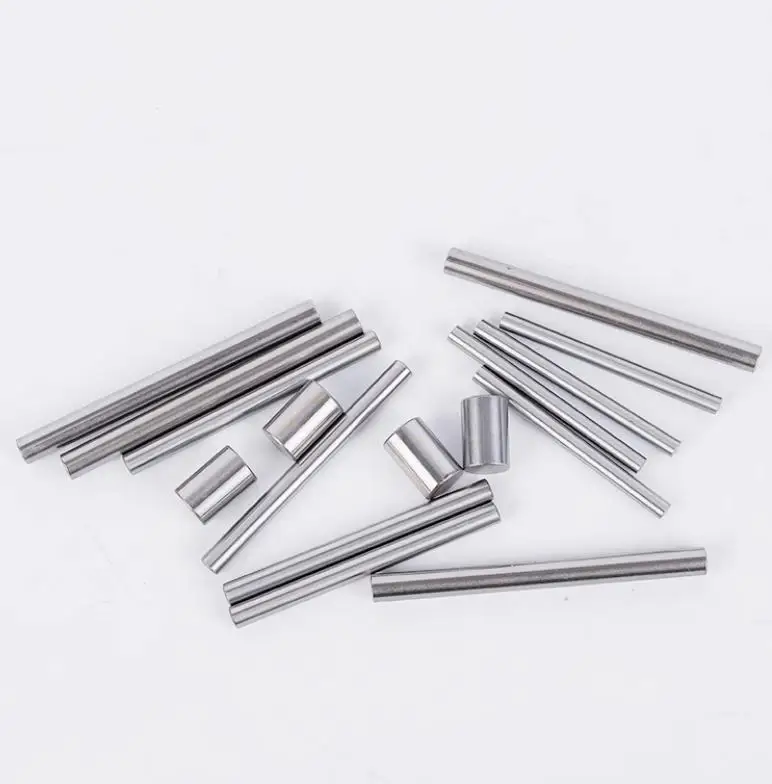
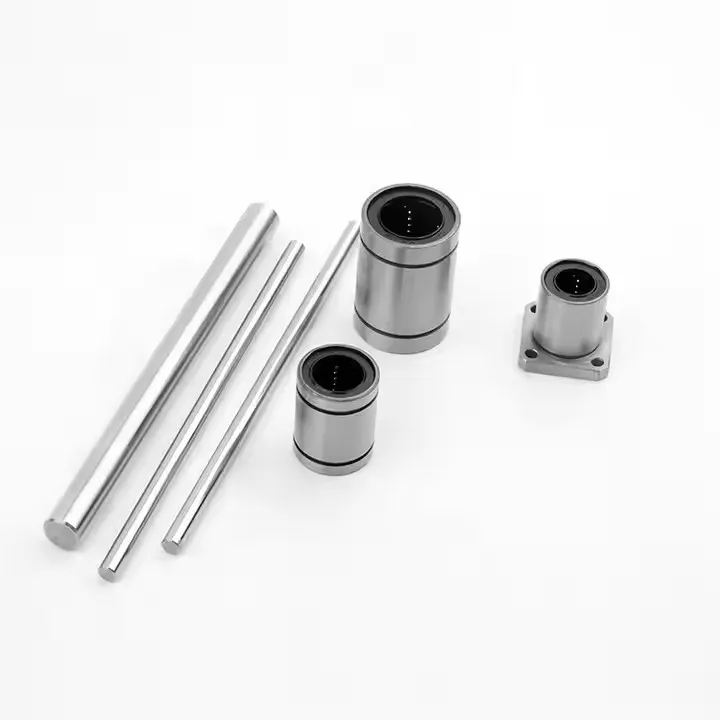
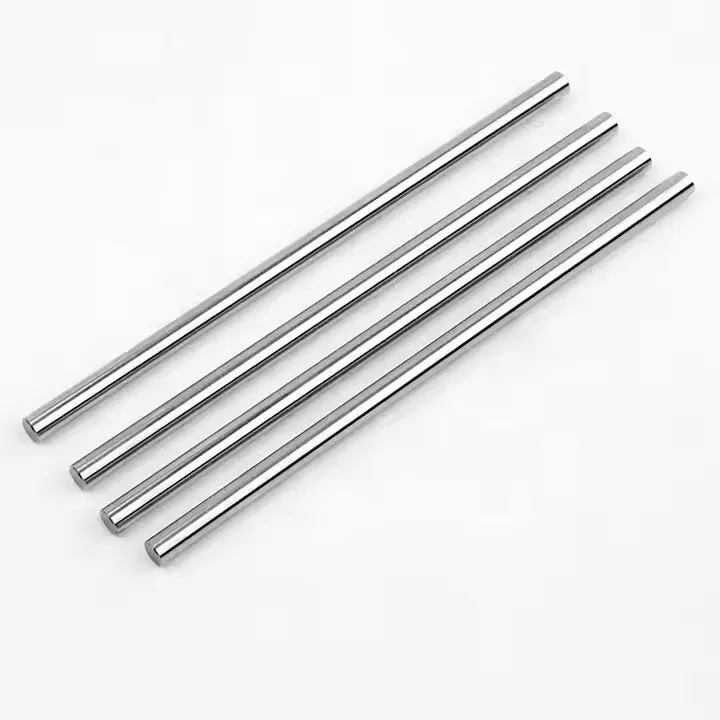
| Hardened / chrome shaft | 8 mm to 80 mm | Case hardness is what resists brinelling under a ball bushing |
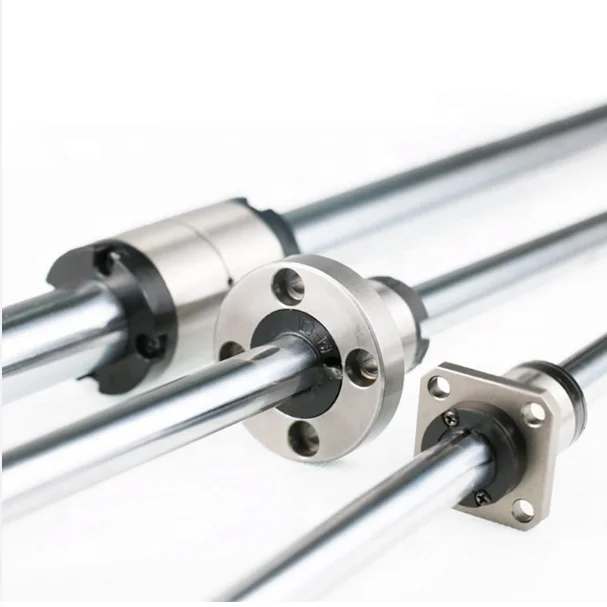
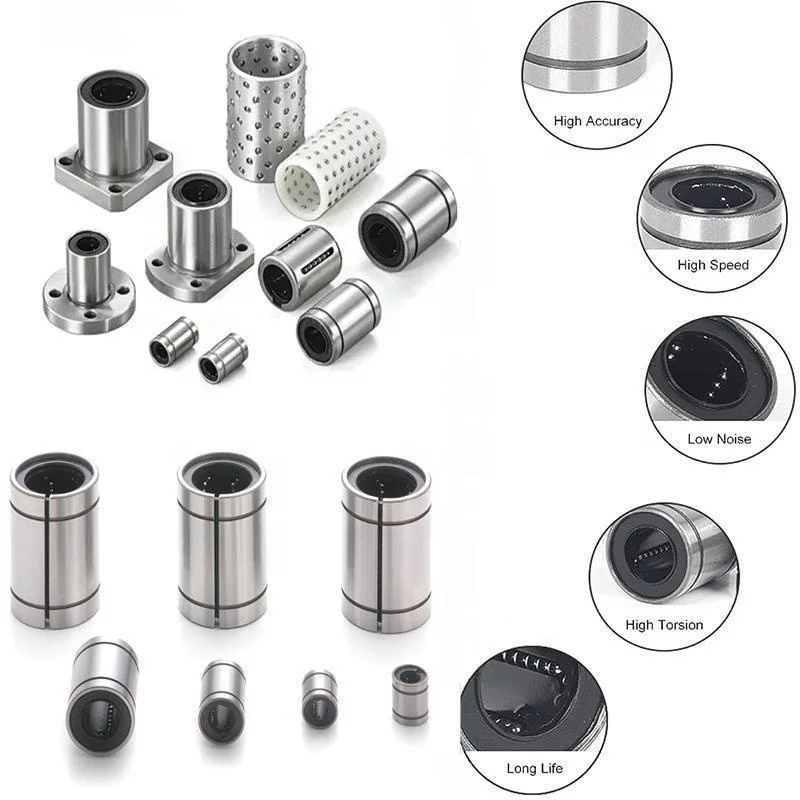
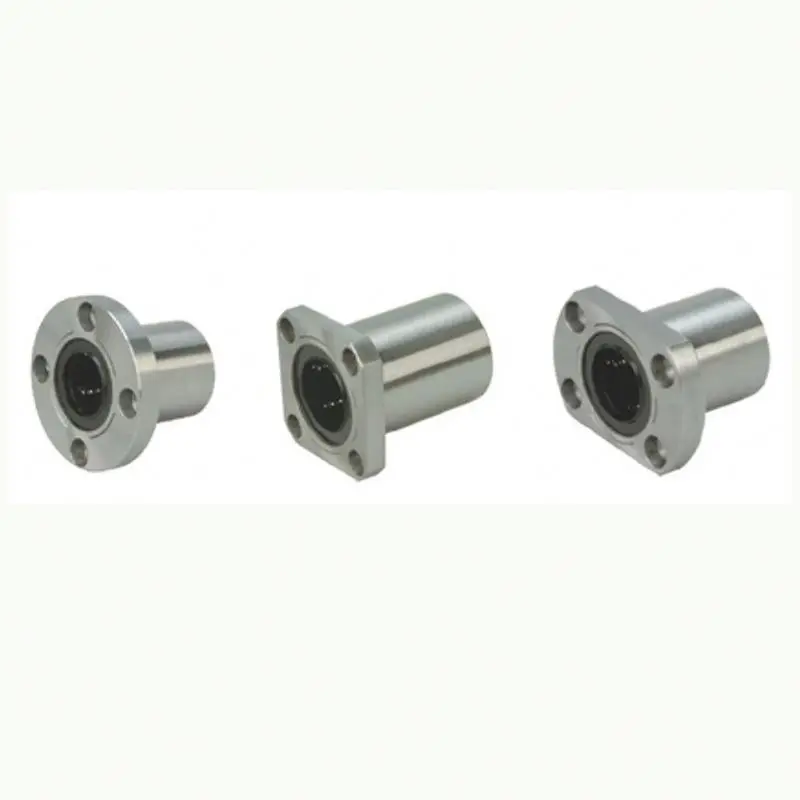
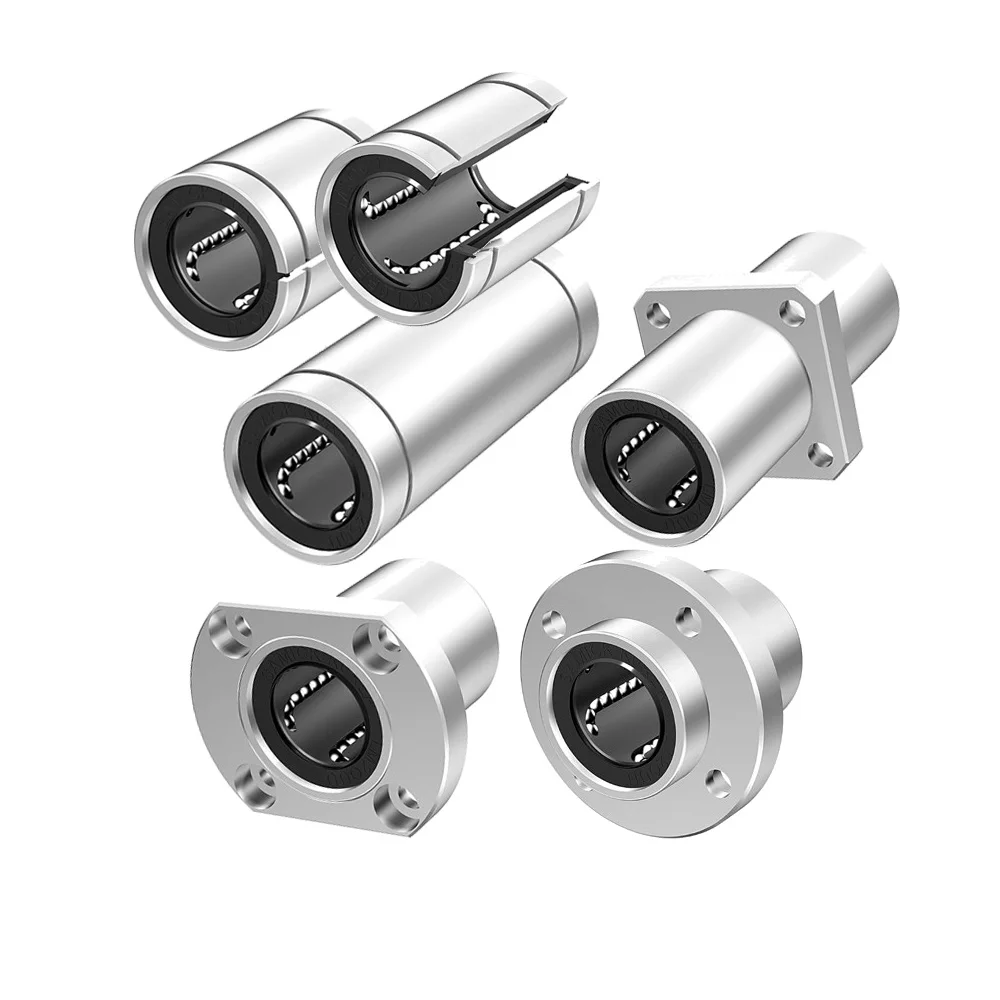
| LM bushings | LM8UU to LM30UU | Straight and flanged (LMF) versions for through-hole or face mounting |
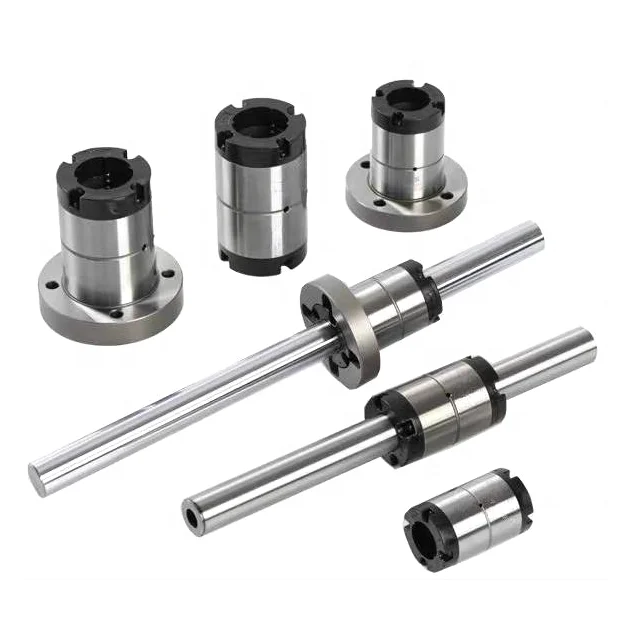
| Ball spline | SLT006 to SLT016 | Transmits torque as well as linear motion; resists rotation of the carriage |
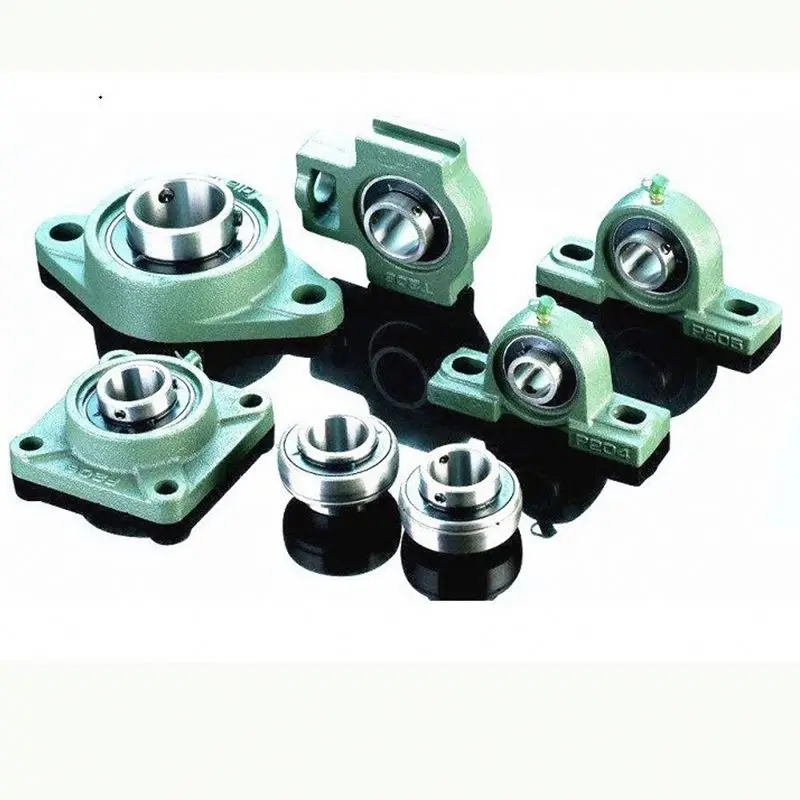
| Shaft supports | SHF and end blocks | Hold the shaft ends and set the centre height |
Shaft hardness is not a detail
A ball bushing carries load through a few dozen small balls. Under a heavy load the balls indent the raceway, and once indented the shaft never runs smoothly again — you feel it as a periodic knock at the ball pitch. Case-hardened shaft resists that; soft shaft, or worse, ordinary bright bar, does not. If a supplier cannot state the surface hardness, the shaft is not a linear shaft, whatever the listing says.
Chrome plating is a corrosion and wear surface, not a substitute for hardening. A chrome-plated soft bar looks correct and fails at the first real load.
Deflection: the calculation that decides diameter
A shaft is a beam. Between two supports, the sag under load grows with the cube of the span and falls with the fourth power of the diameter, which means doubling the length makes it eight times more flexible and doubling the diameter makes it sixteen times stiffer. That is why a 10 mm shaft that feels rigid at 300 mm feels like a spring at 800 mm.
The practical consequence: on long spans, support the shaft in the middle with an additional block rather than buying the next diameter up. It is cheaper and stiffer.
Bushing or ball spline
A plain bushing slides and cannot transmit torque; the carriage will rotate about the shaft unless a second shaft prevents it. A ball spline has grooves that carry balls, so it drives rotation and resists it at the same time. If the application has a single shaft and any torque — a pulley, an offset load, a tool — the spline is the part that stops the carriage spinning.
Tolerance, in practice
Shaft and bushing are matched by diameter tolerance, and a bushing that is too tight will bind when the two shafts are not perfectly parallel. The usual assembly error is to bolt both shafts down hard and then discover the carriage binds at one end. Align one shaft, run the carriage, then bring the second shaft to the carriage rather than the other way round.
What to specify
- Diameter, length and whether the shaft is hardened, chrome-plated or both
- Number of shafts and whether they are parallel (a carriage on two shafts needs matched centre distances)
- Load and support spacing — the deflection calculation needs both
- Bushing type: straight, flanged, or ball spline
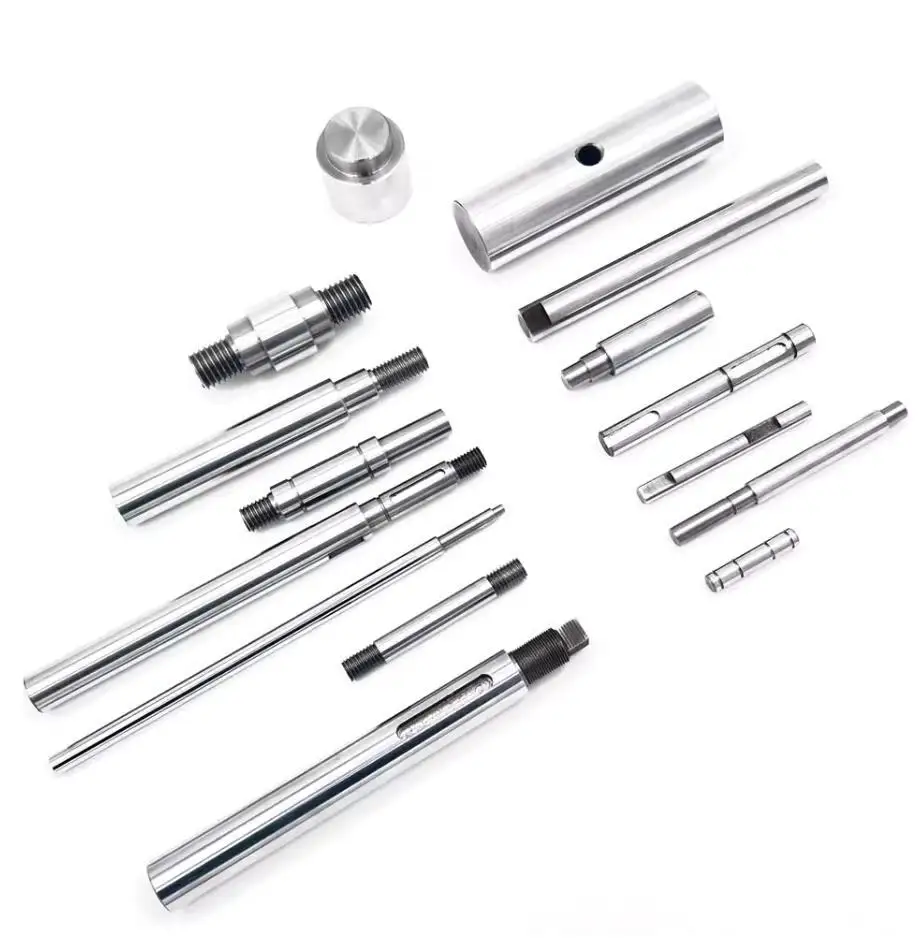
- Whether the shaft ends need machining, threading or a support block