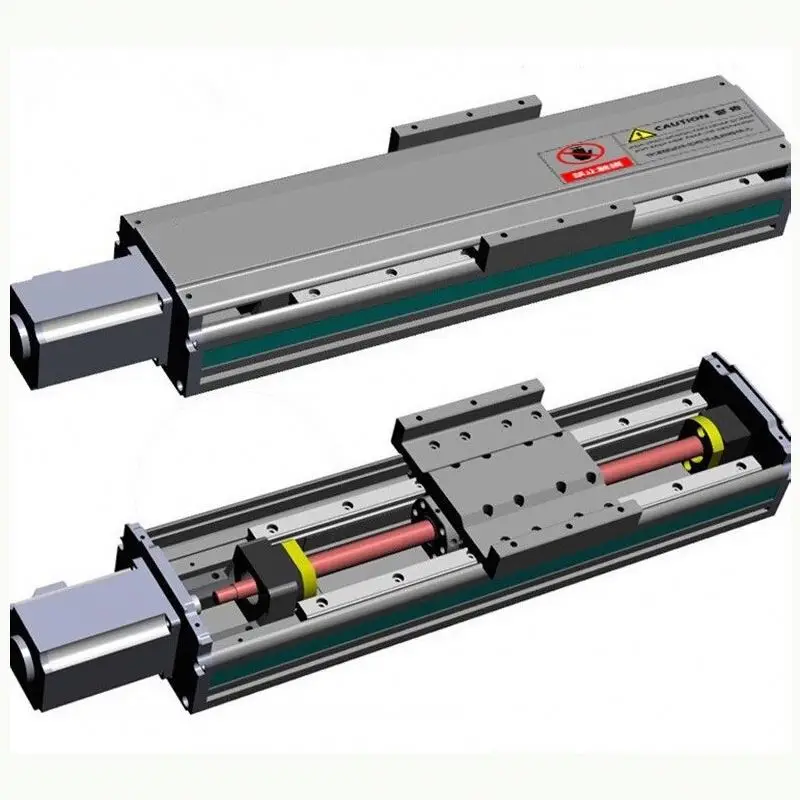
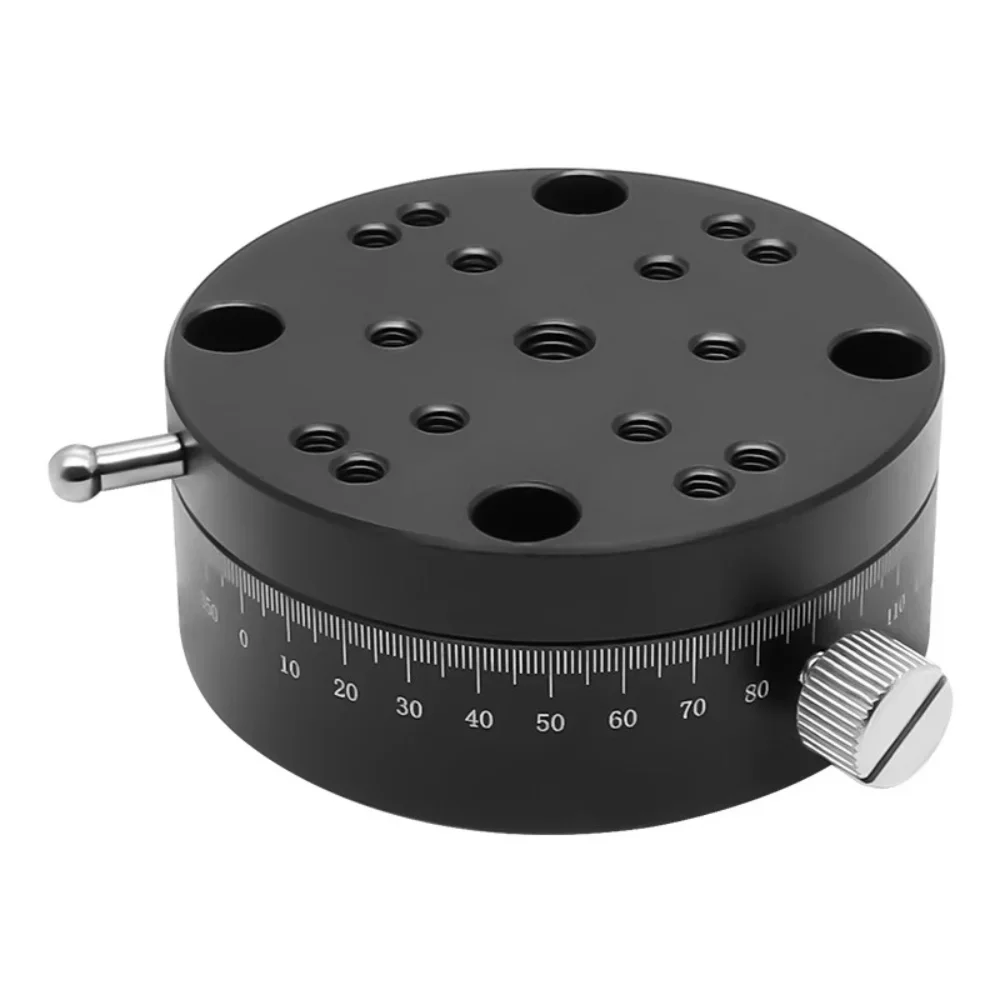
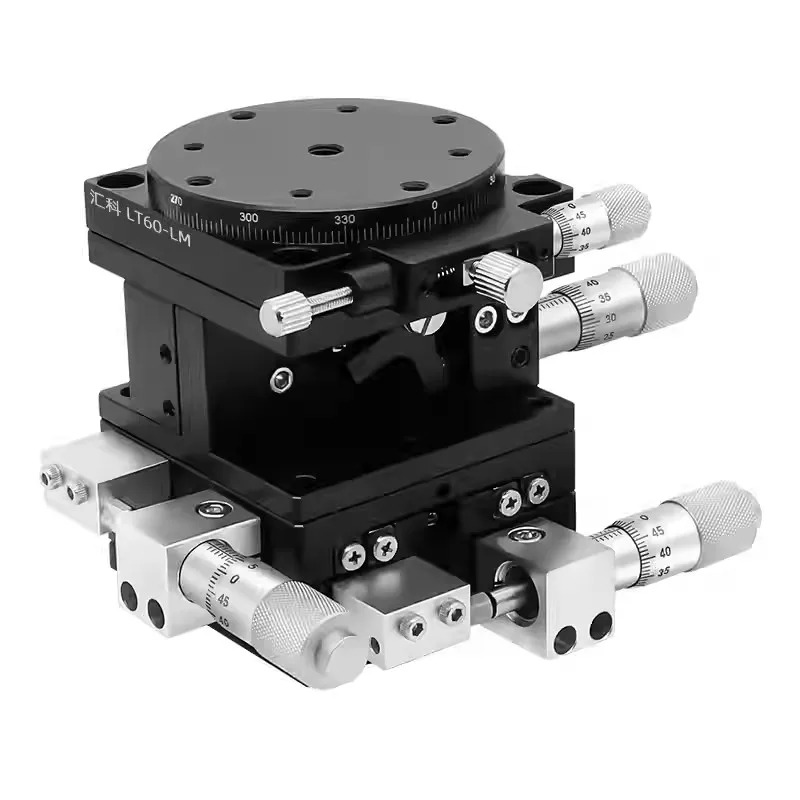
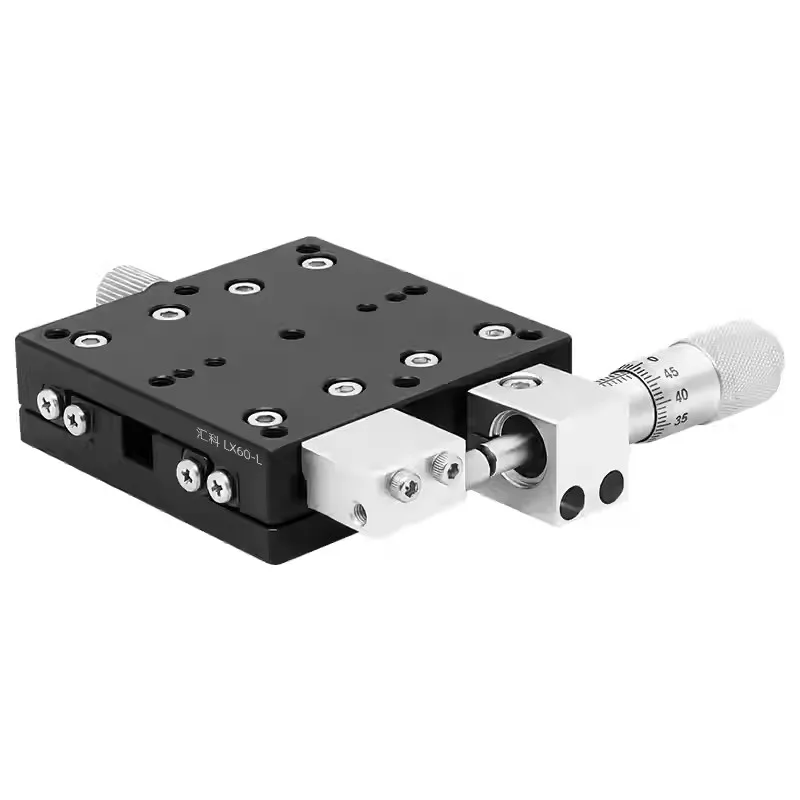
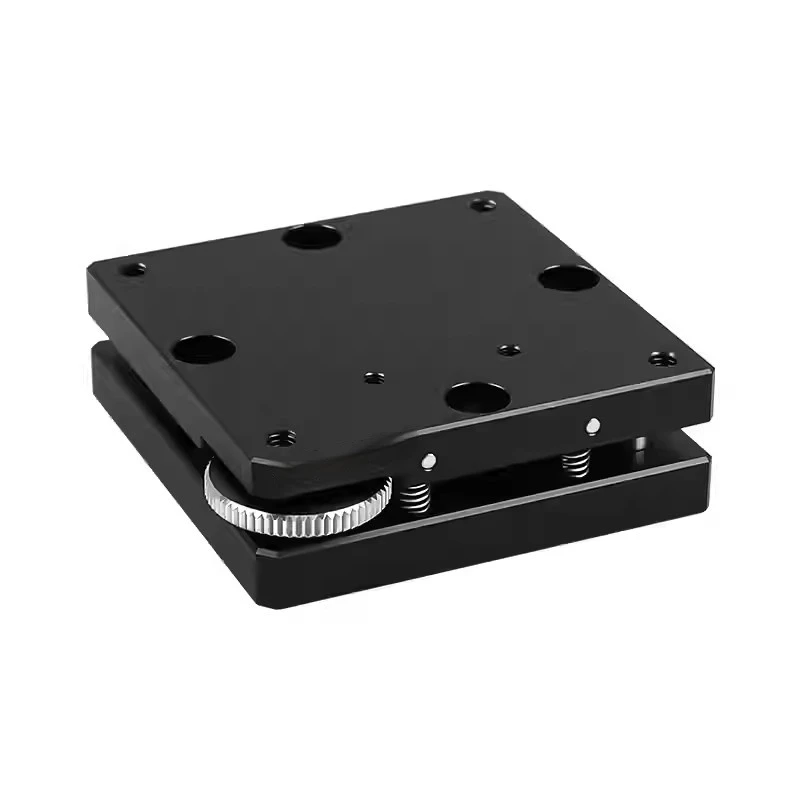
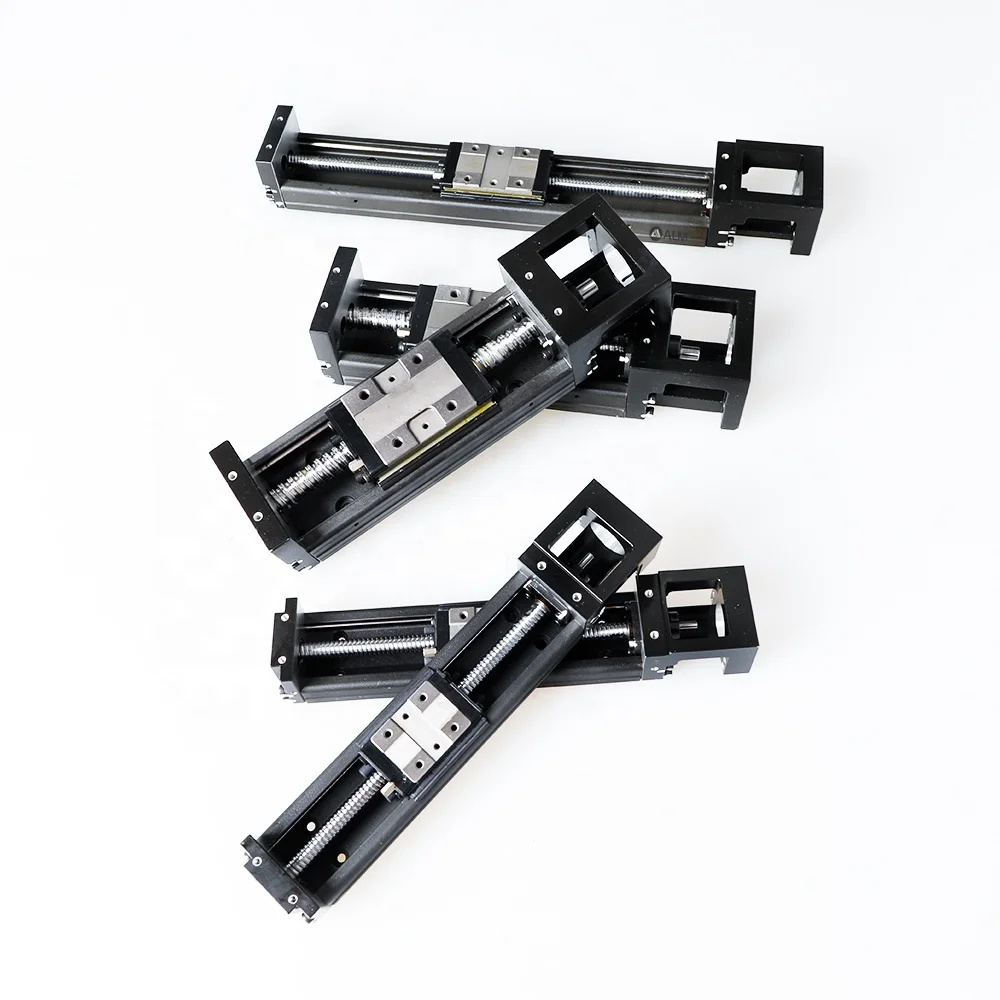
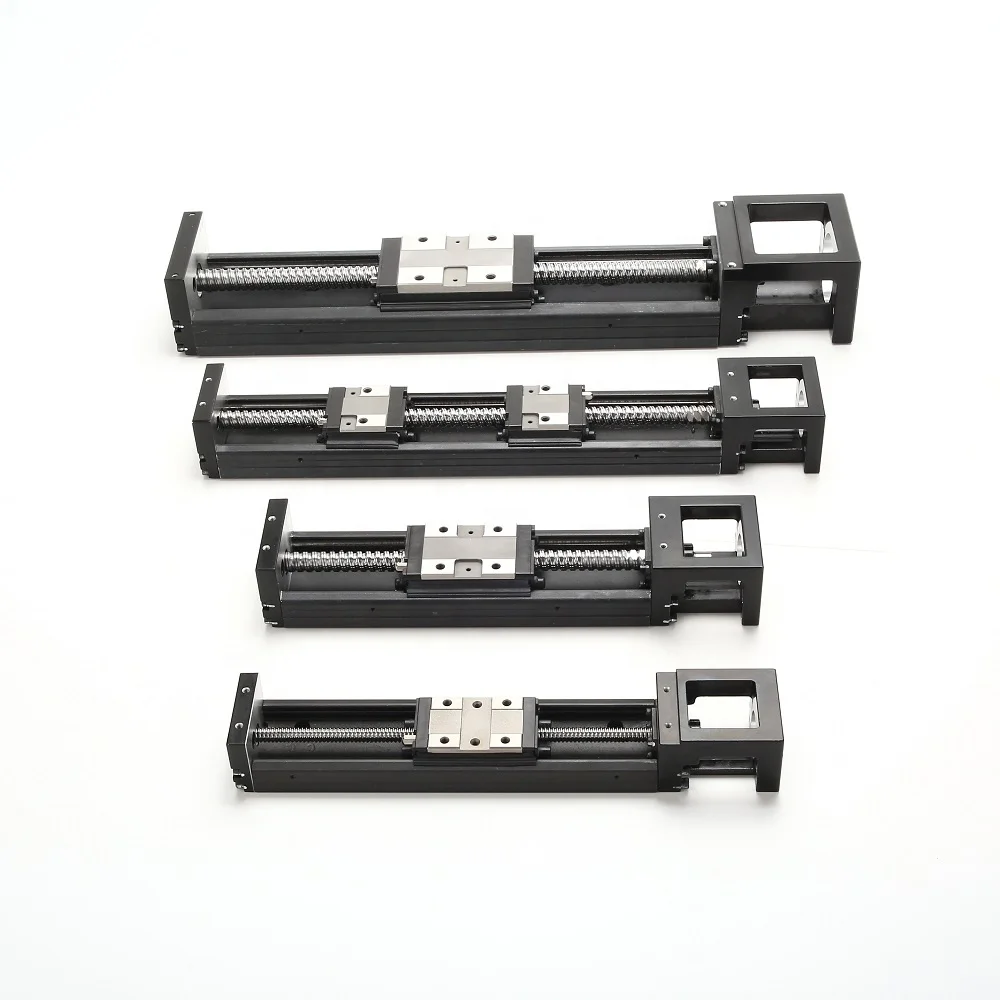
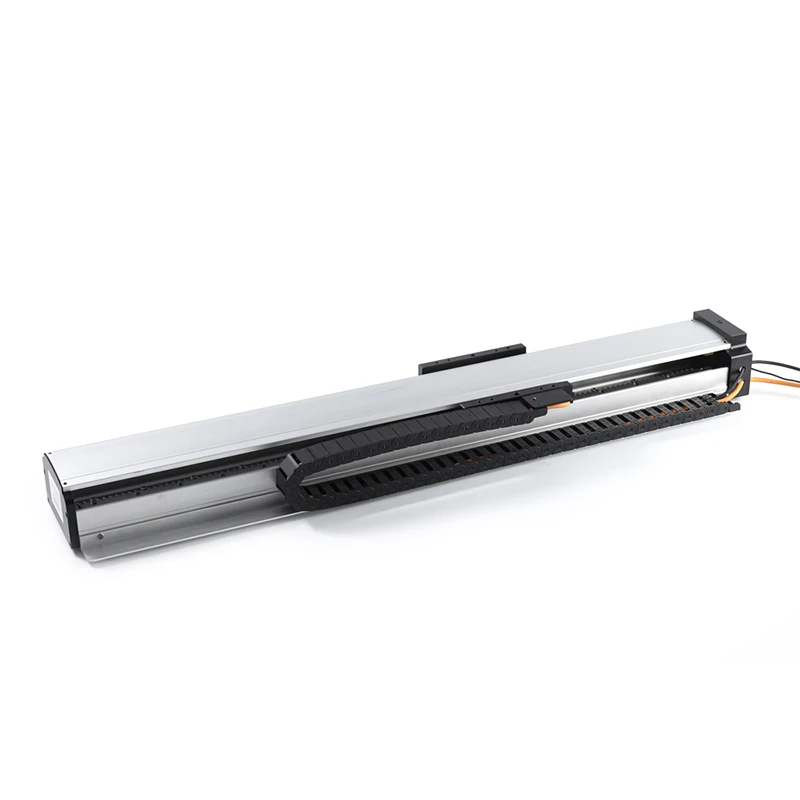
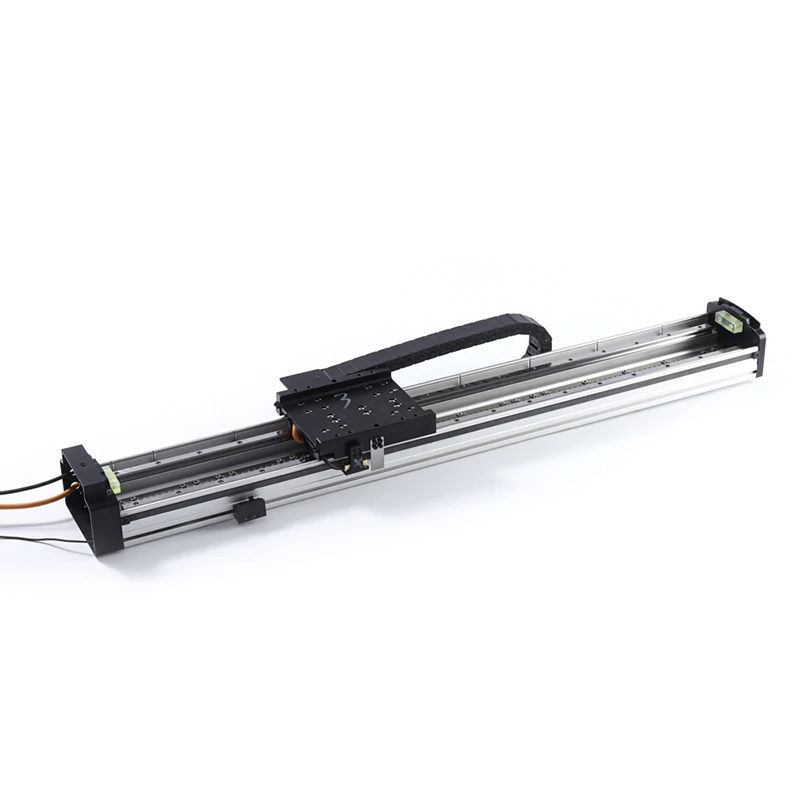
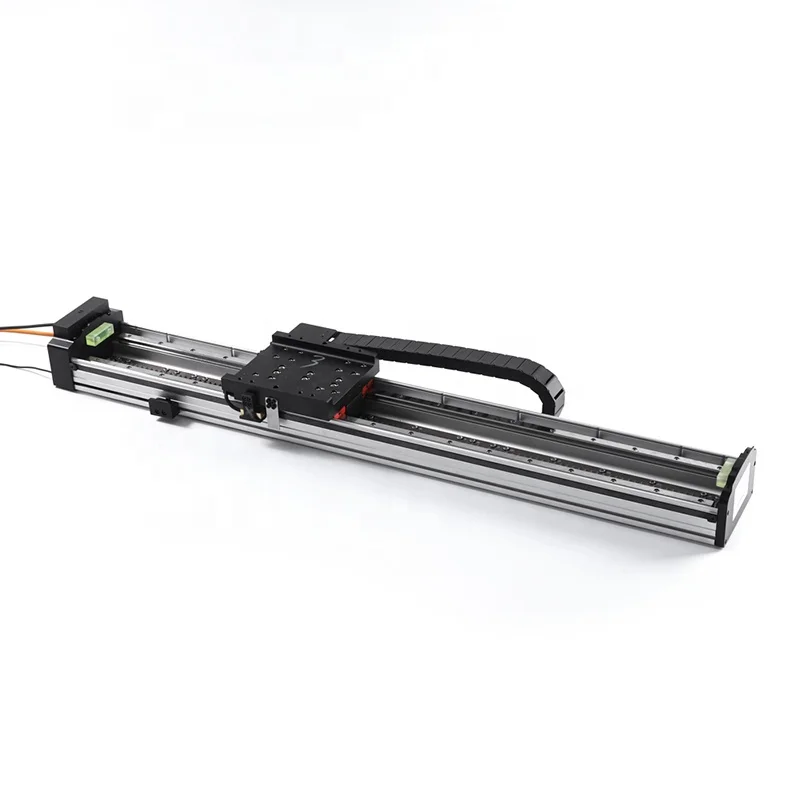
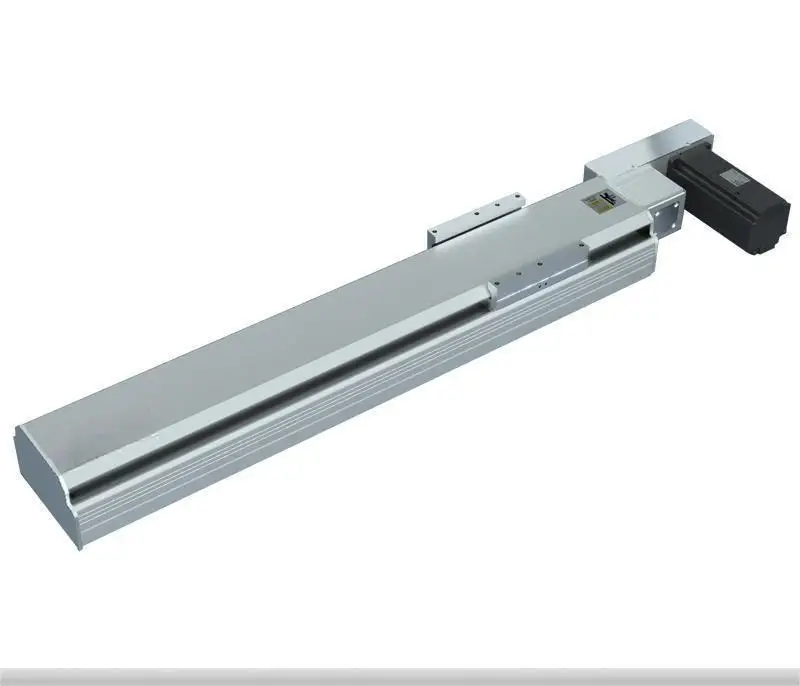
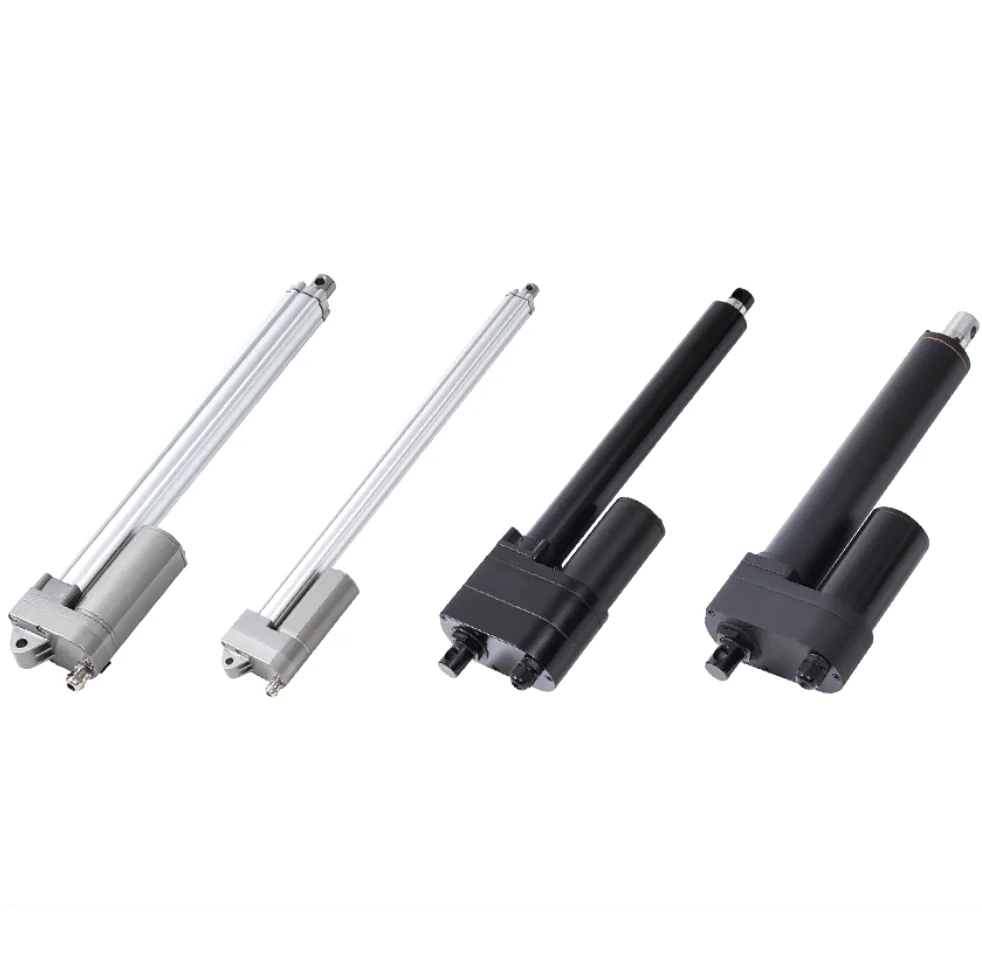
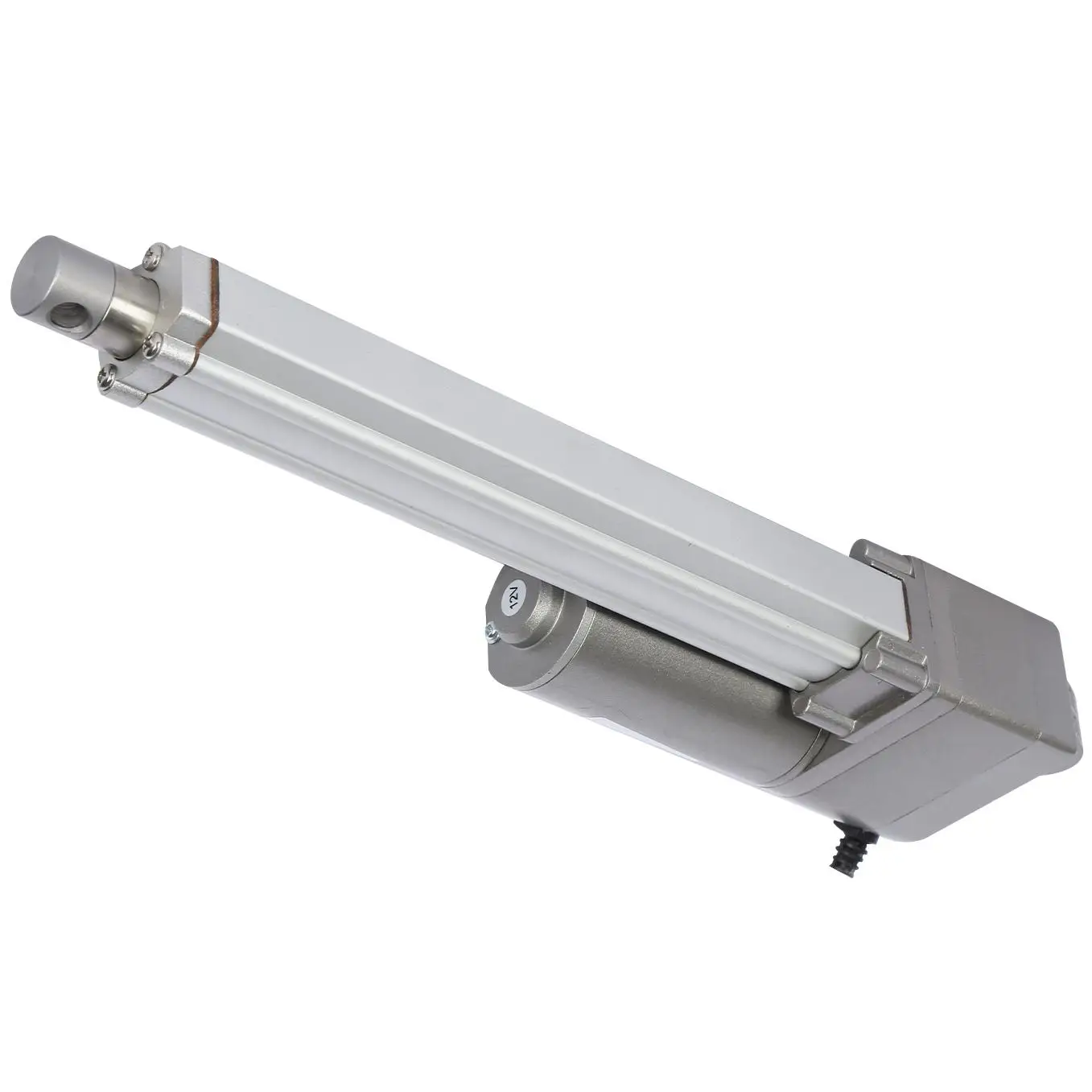
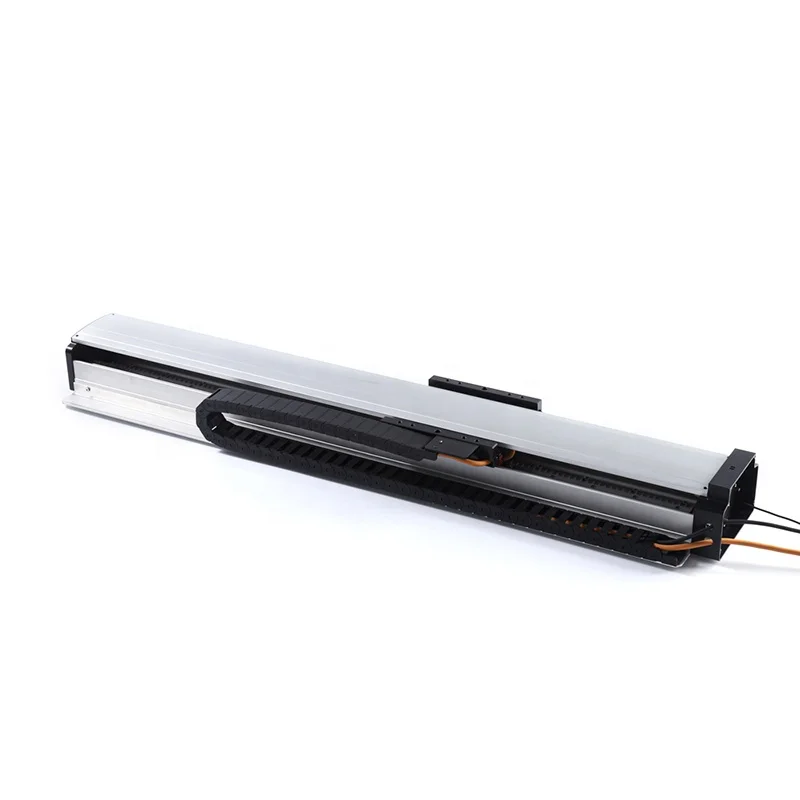
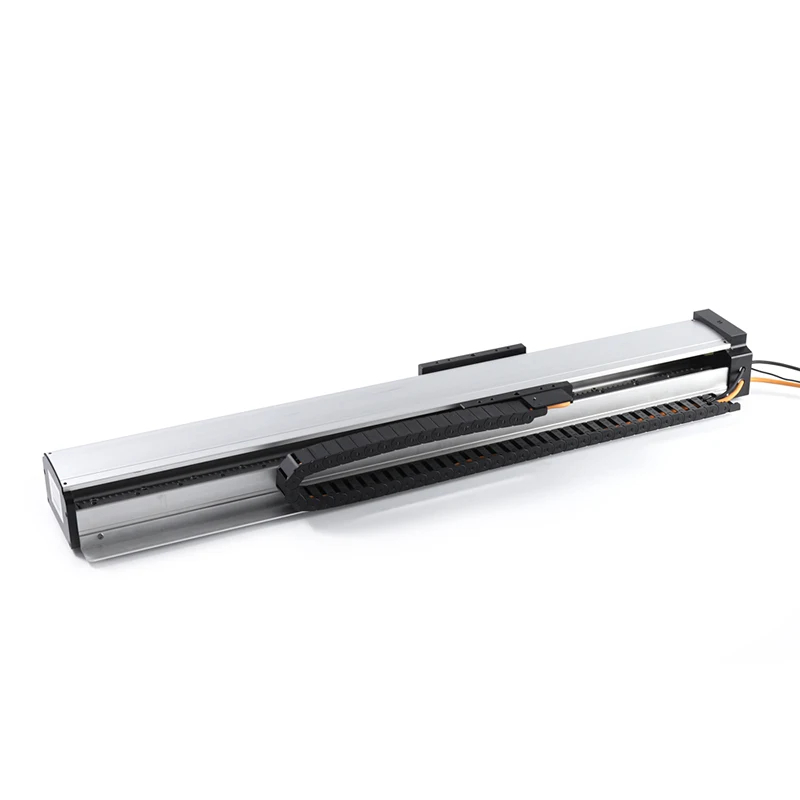
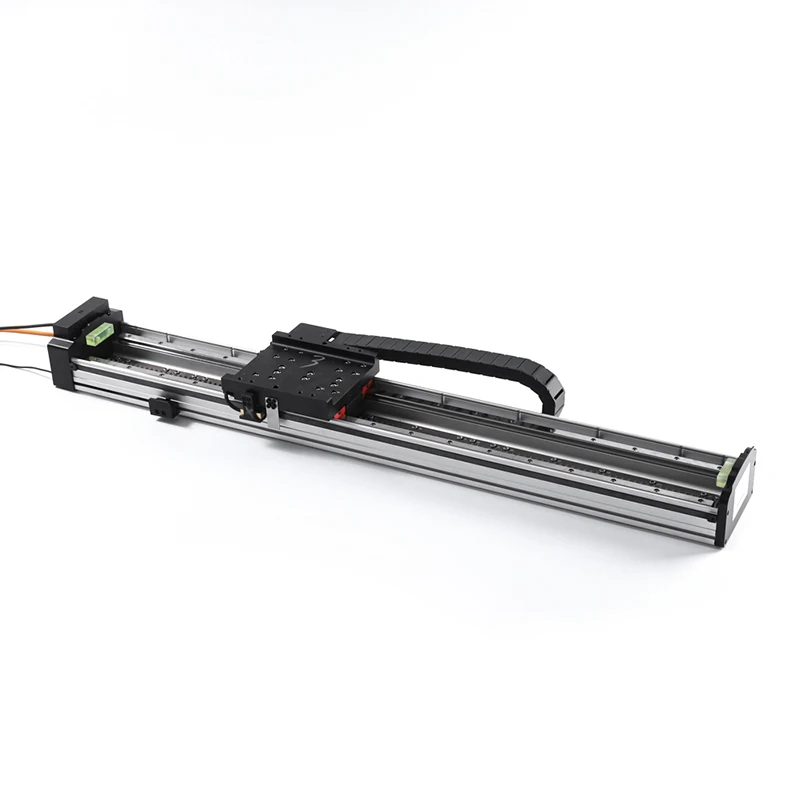
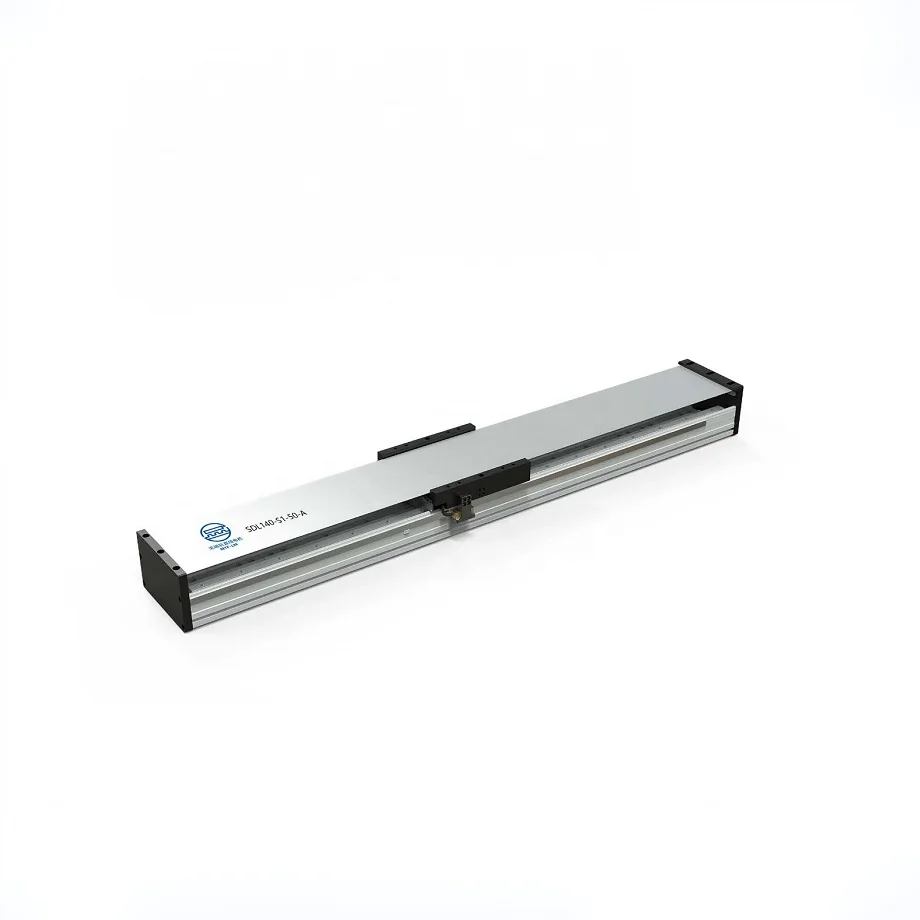
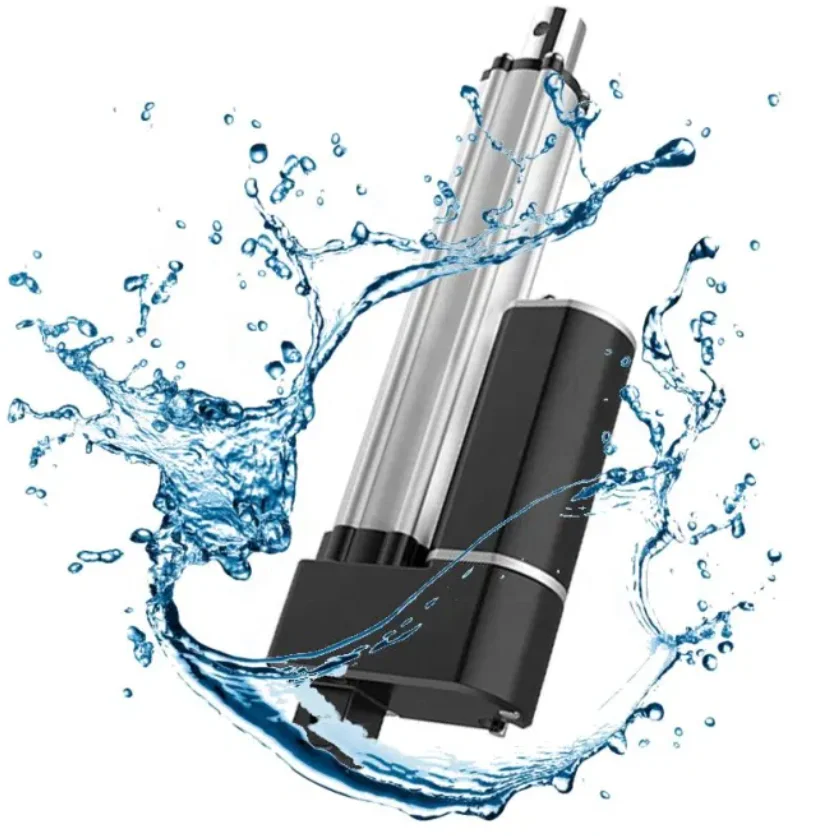
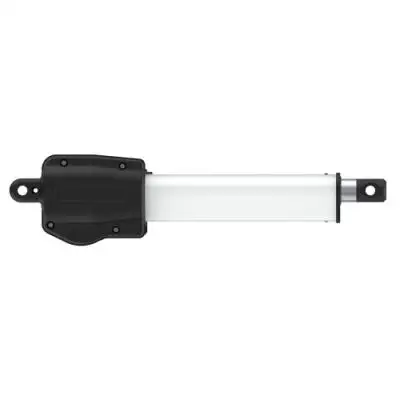
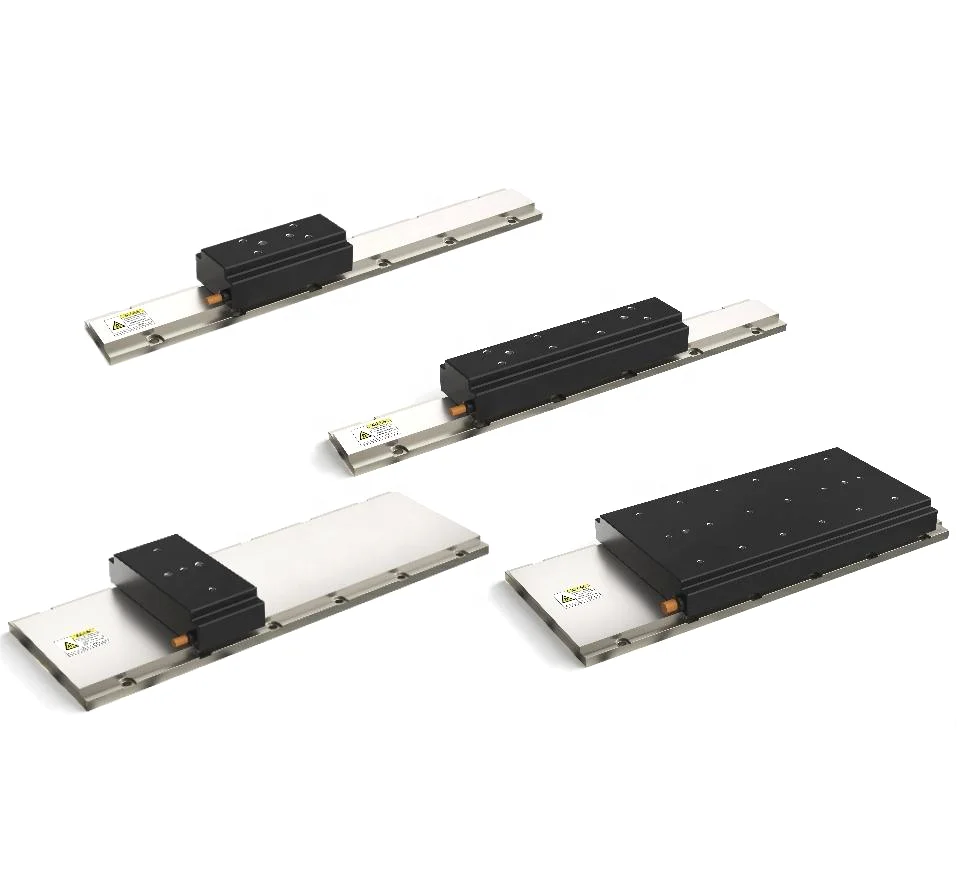
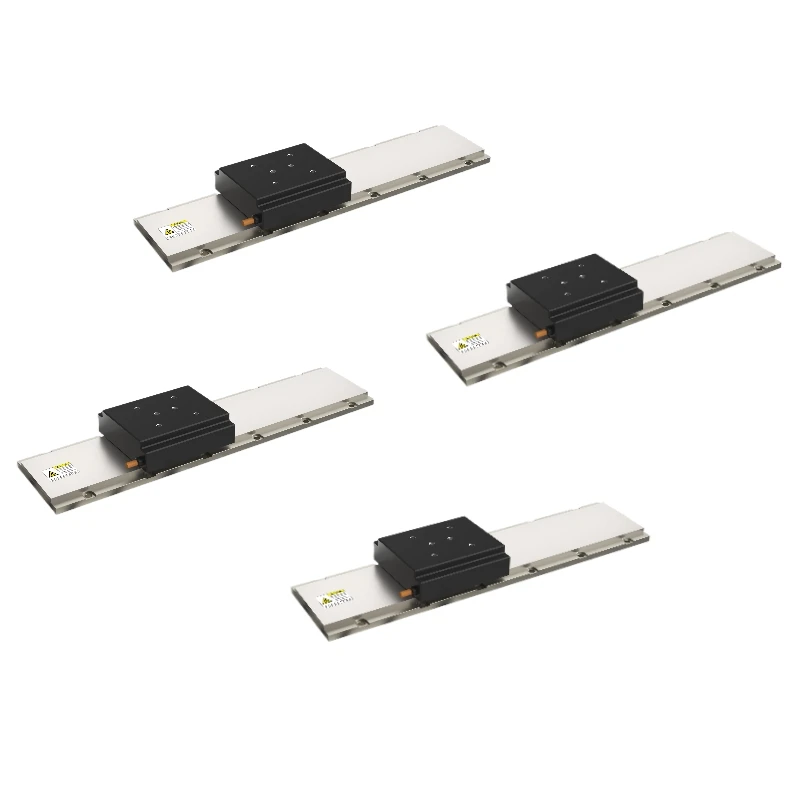
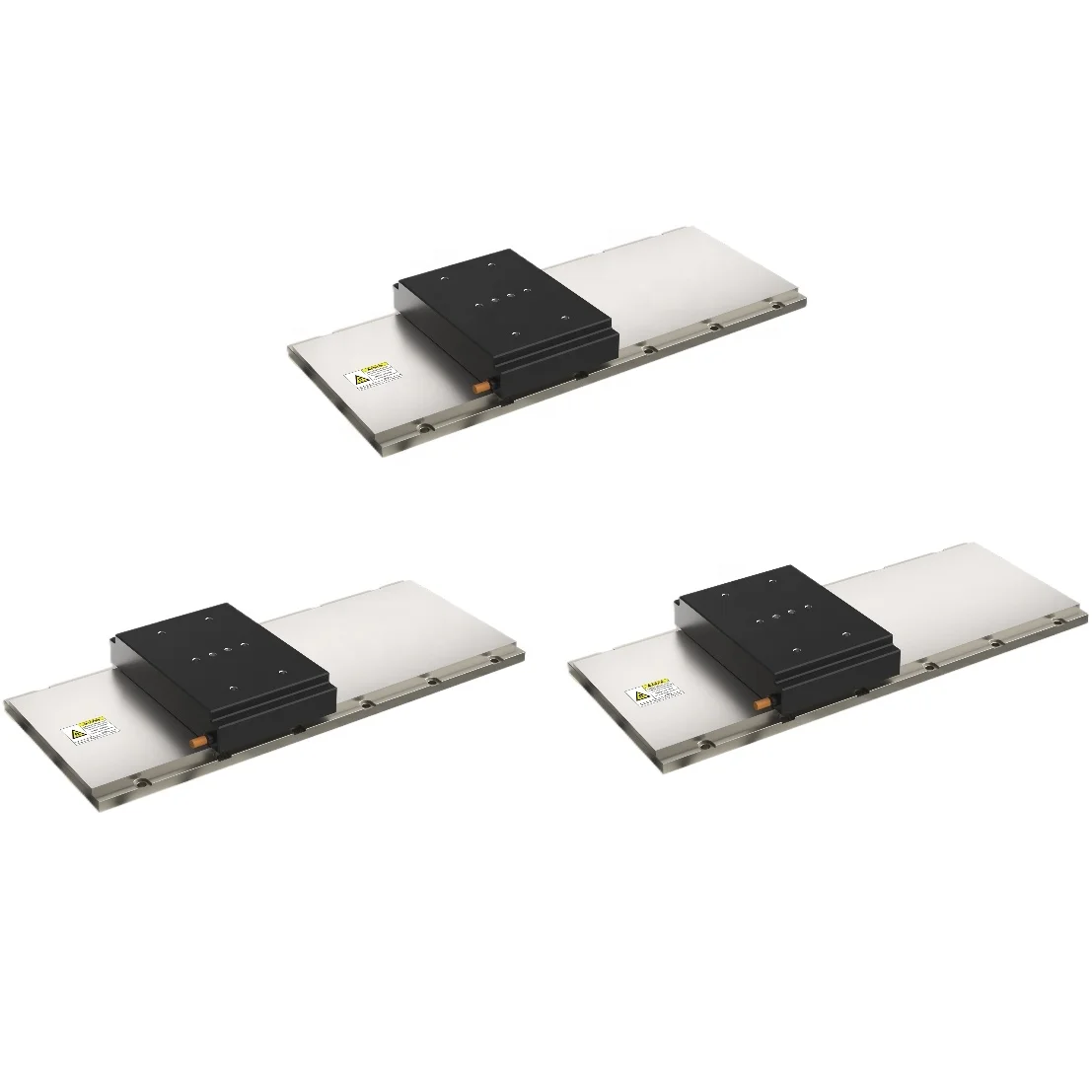
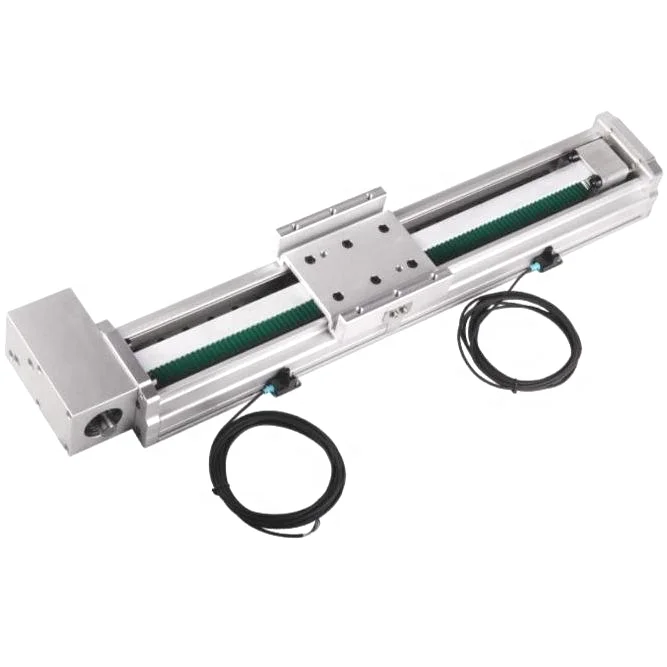
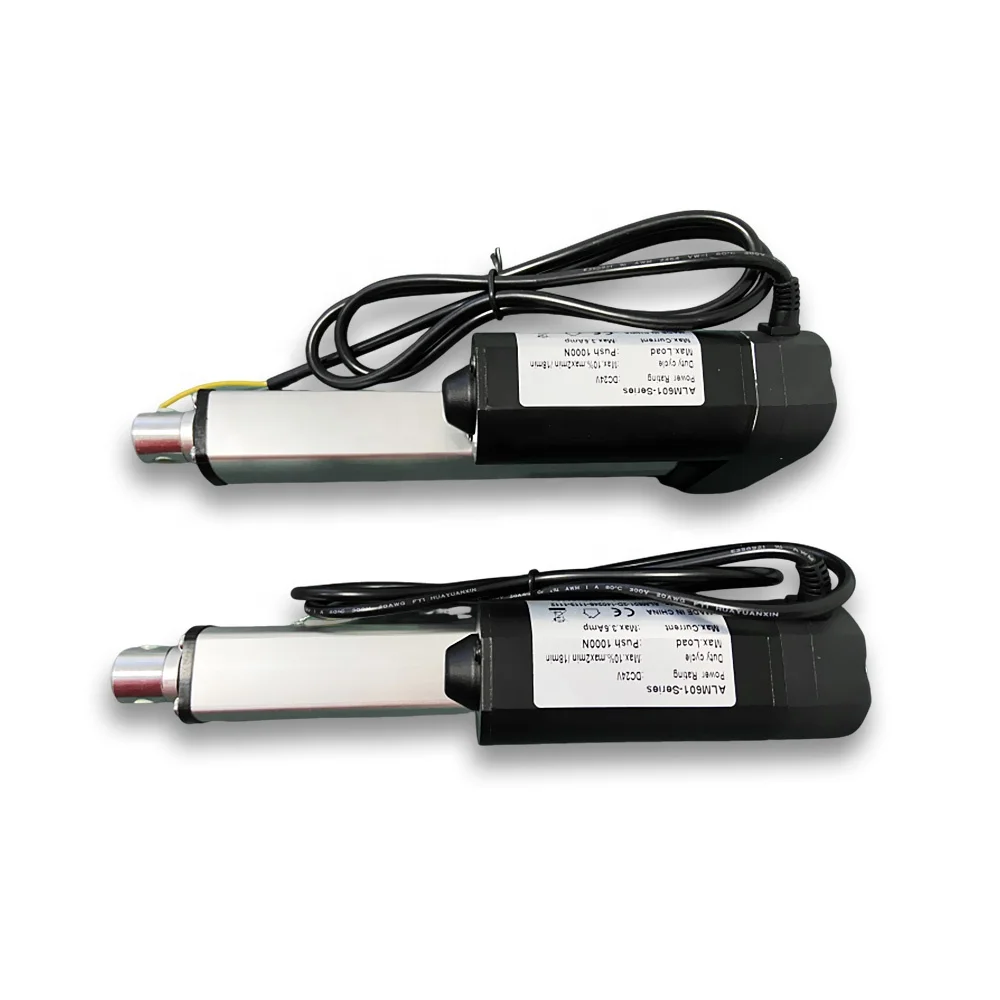
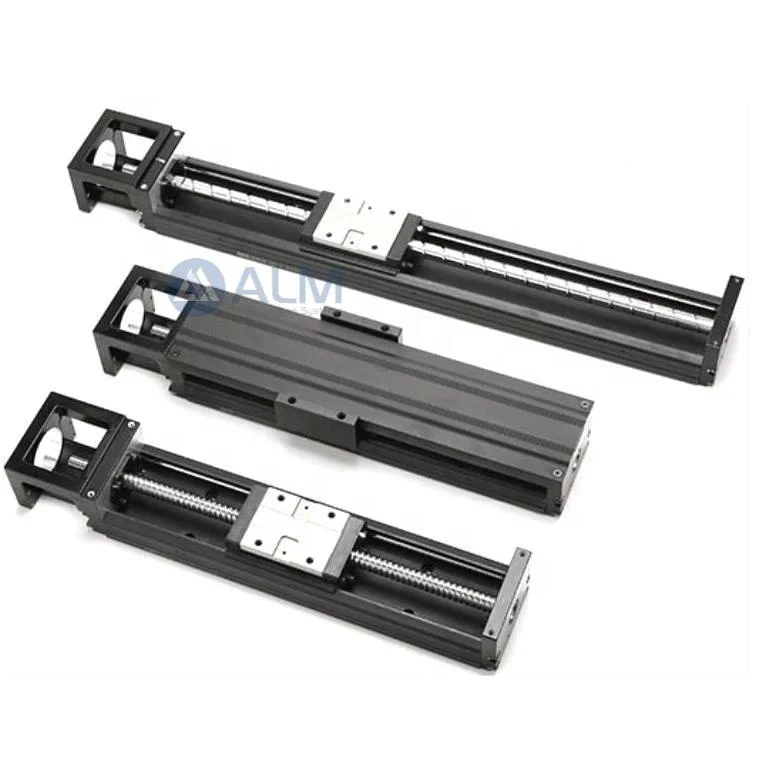
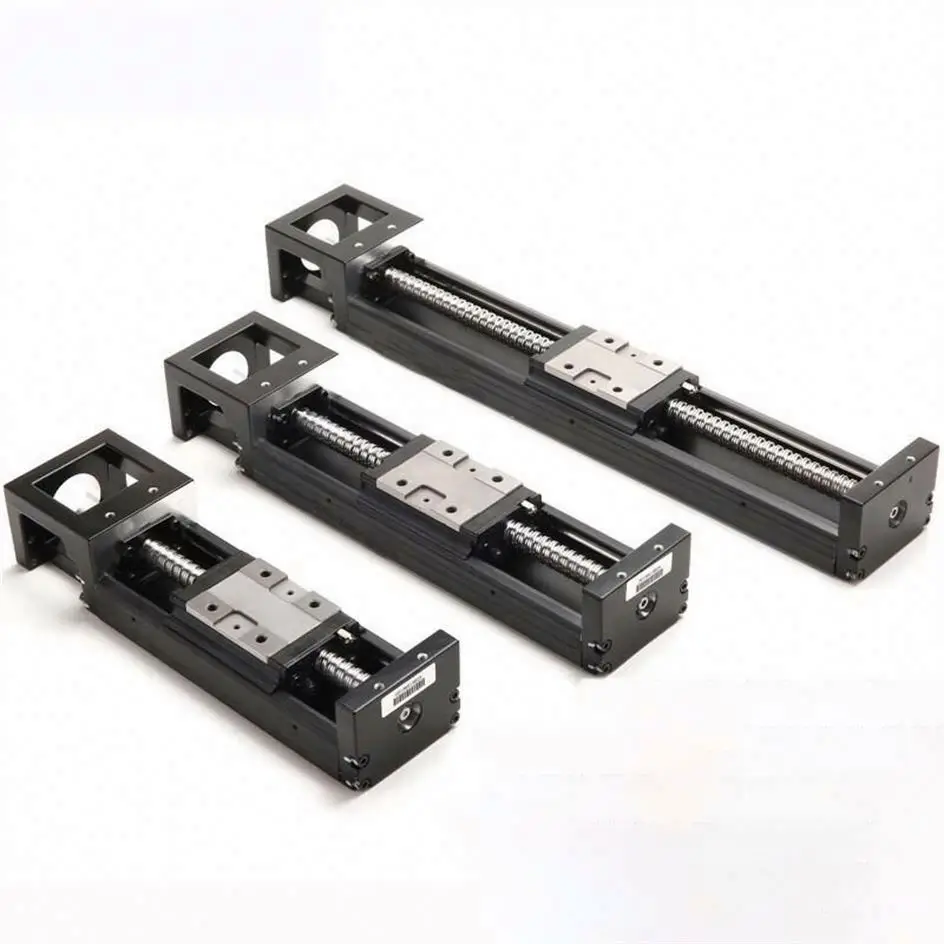
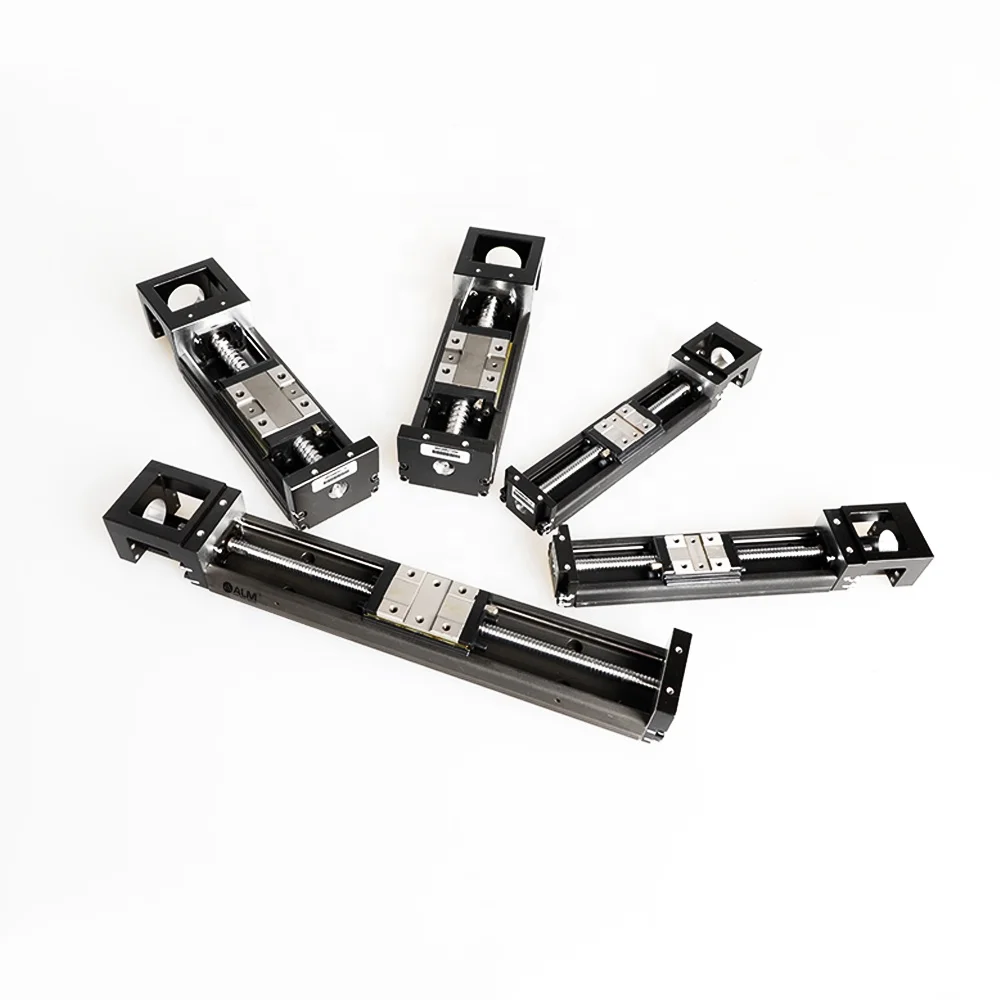
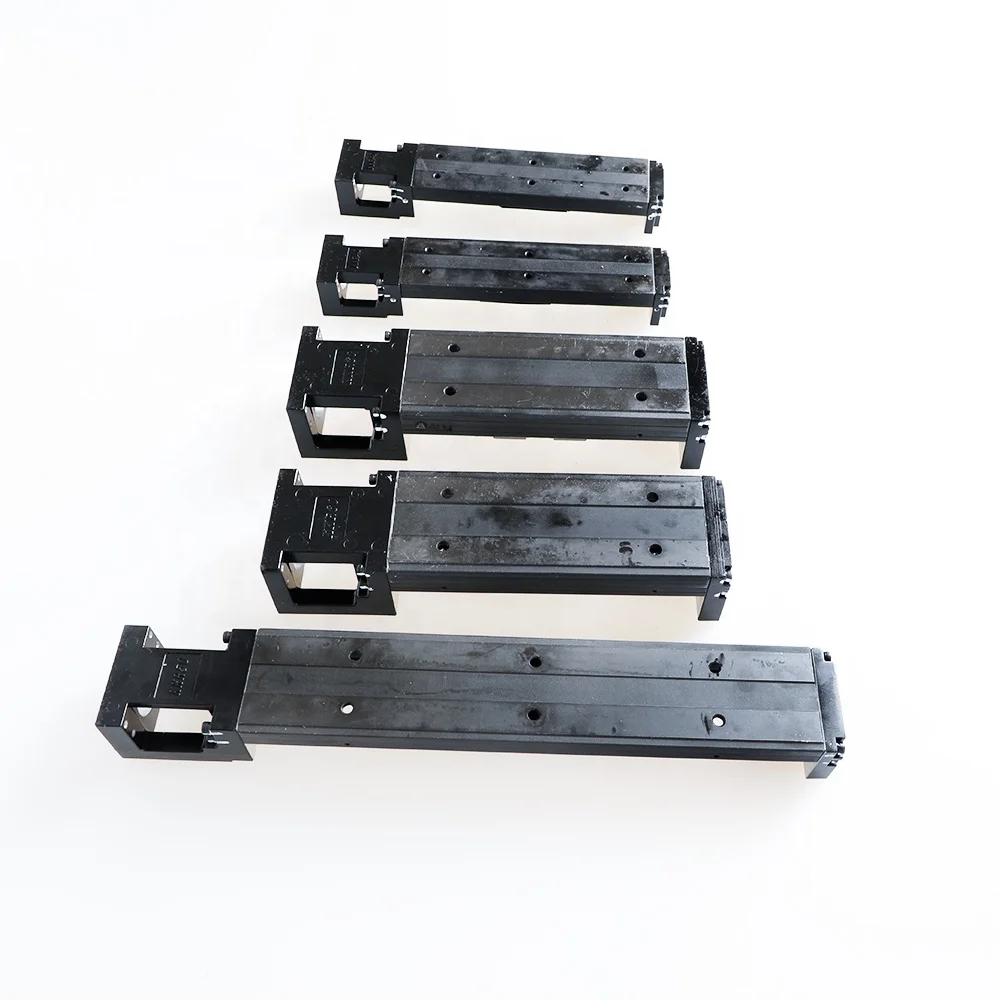
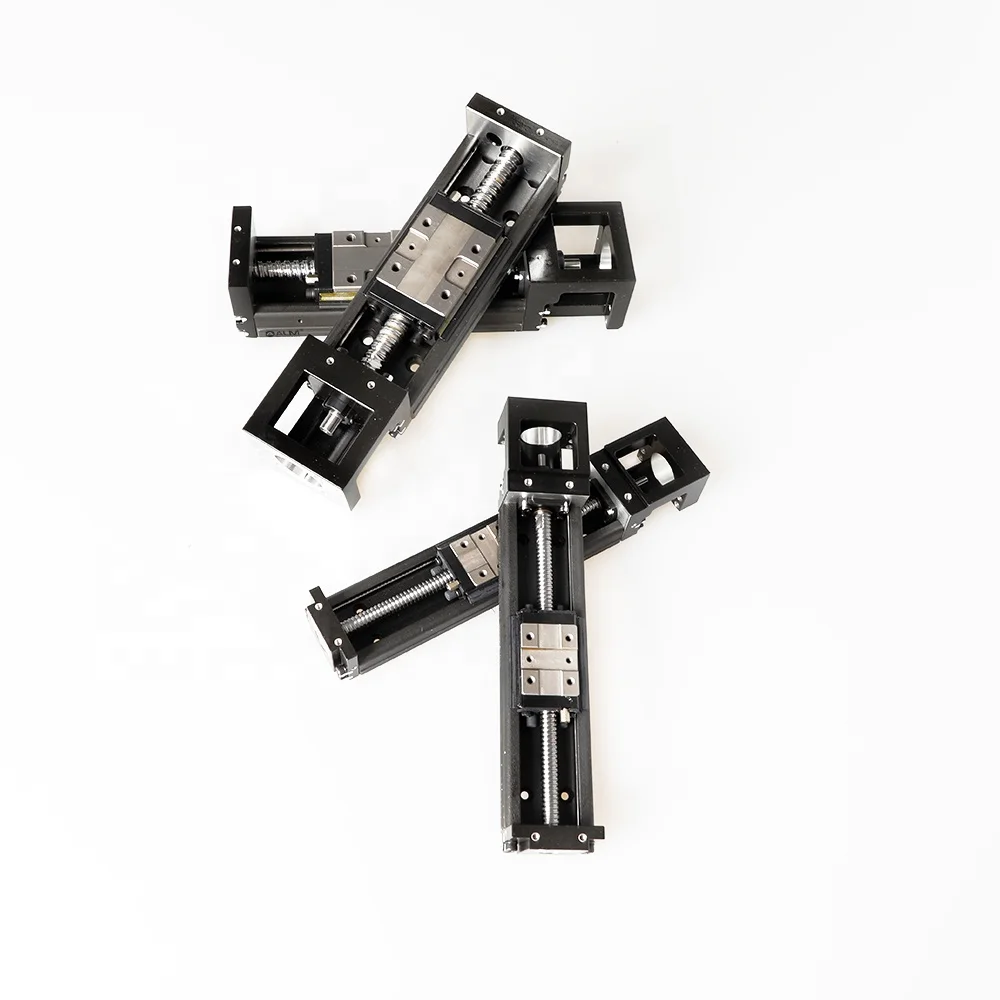
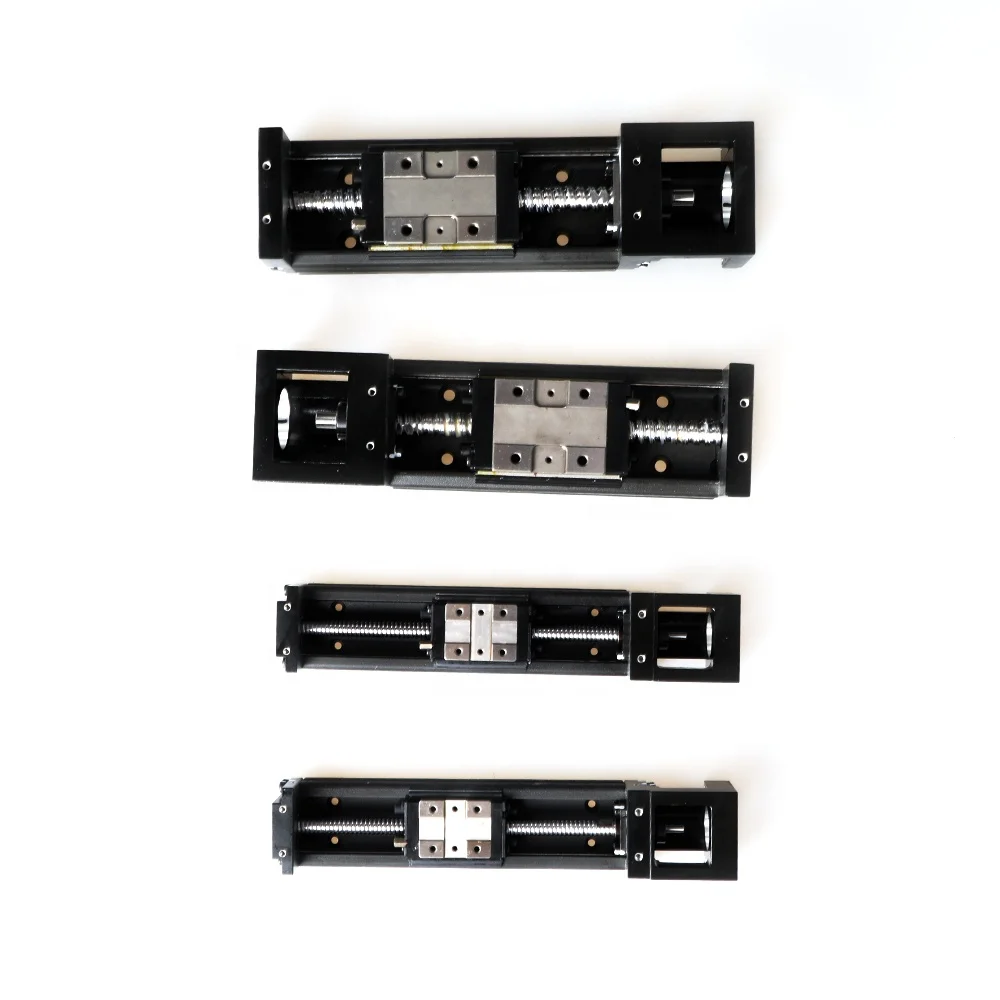
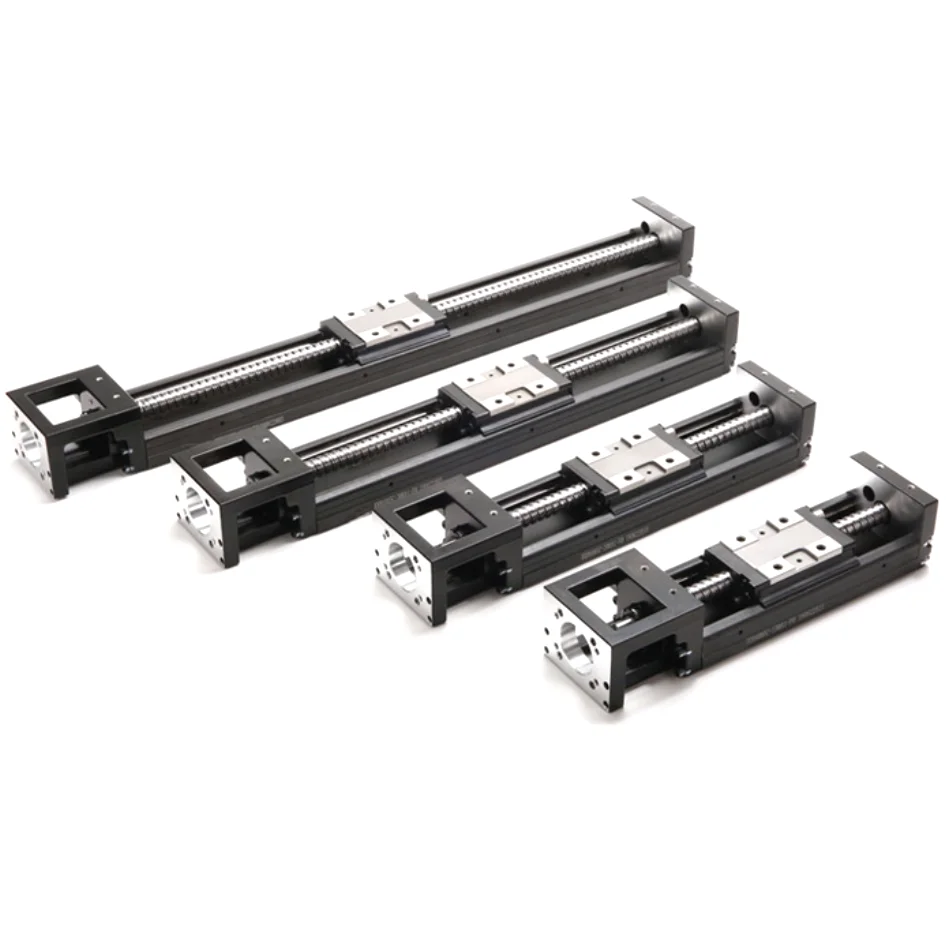
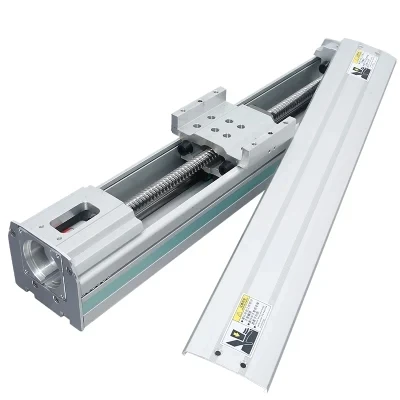
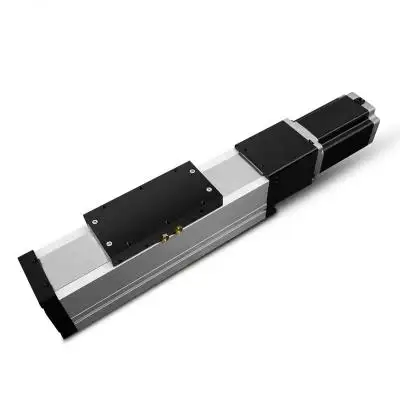
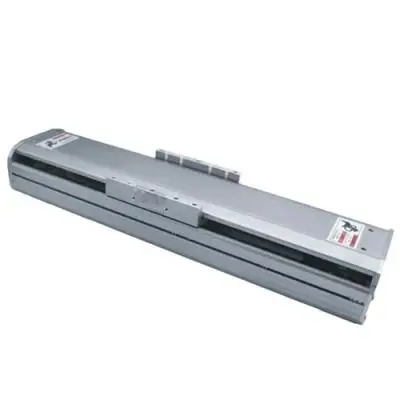
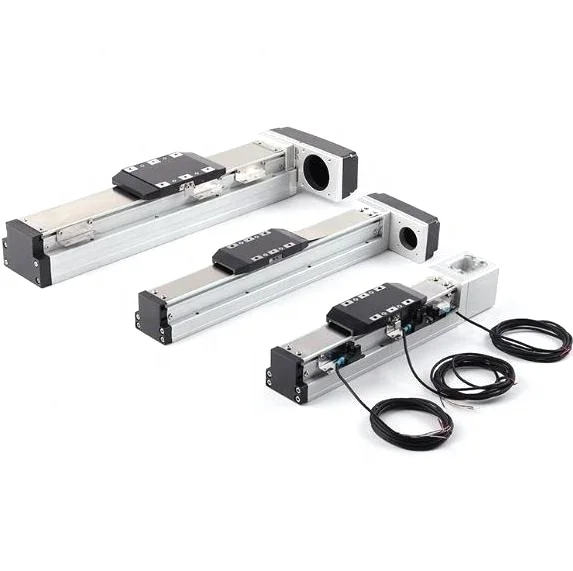
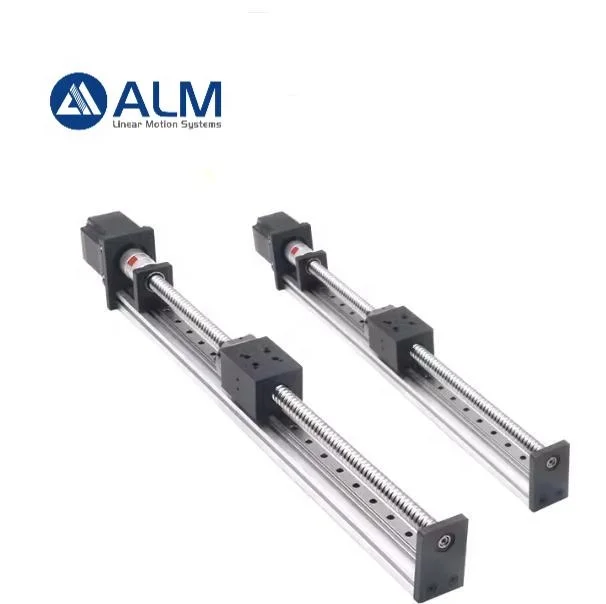
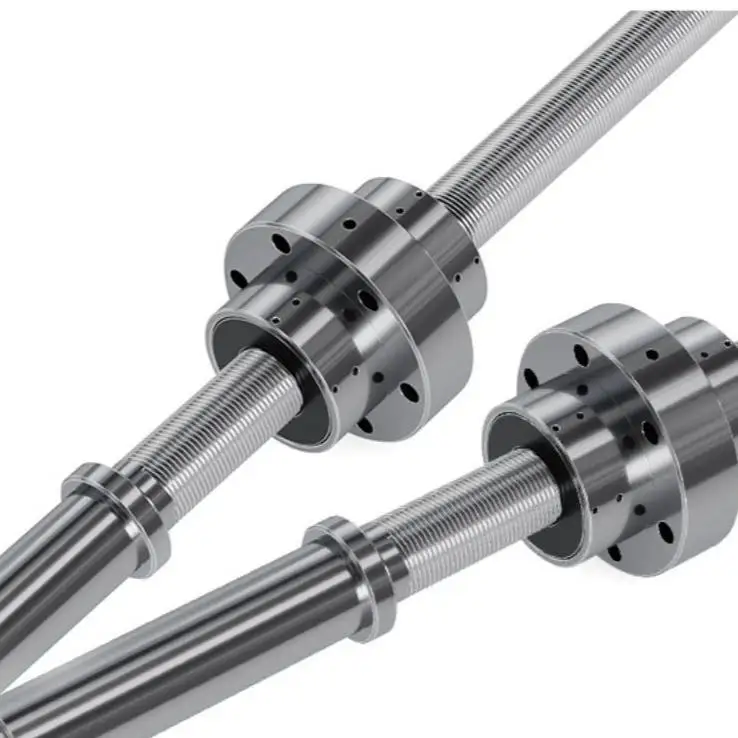
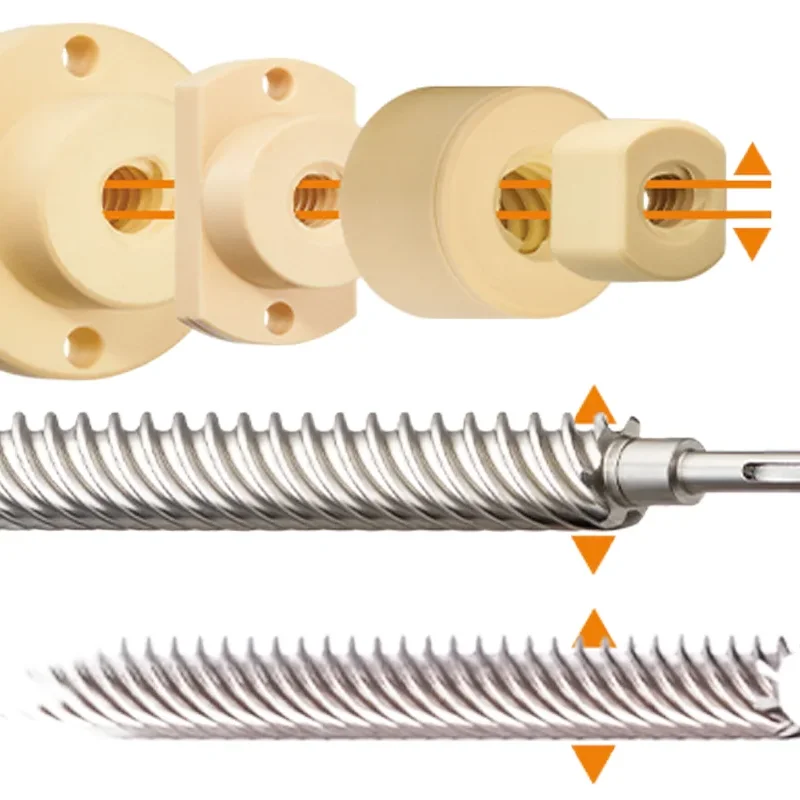
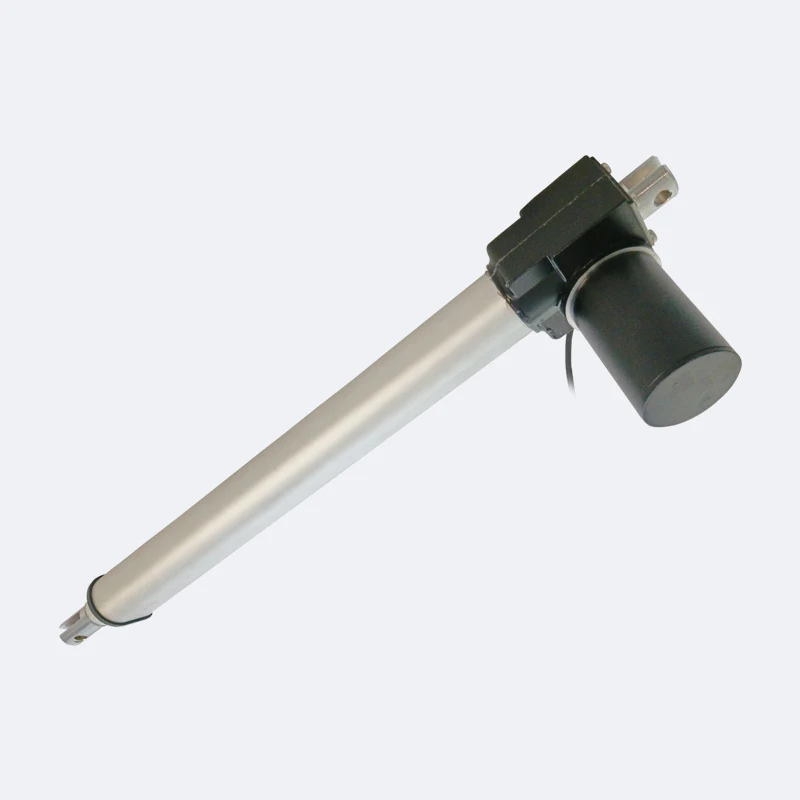
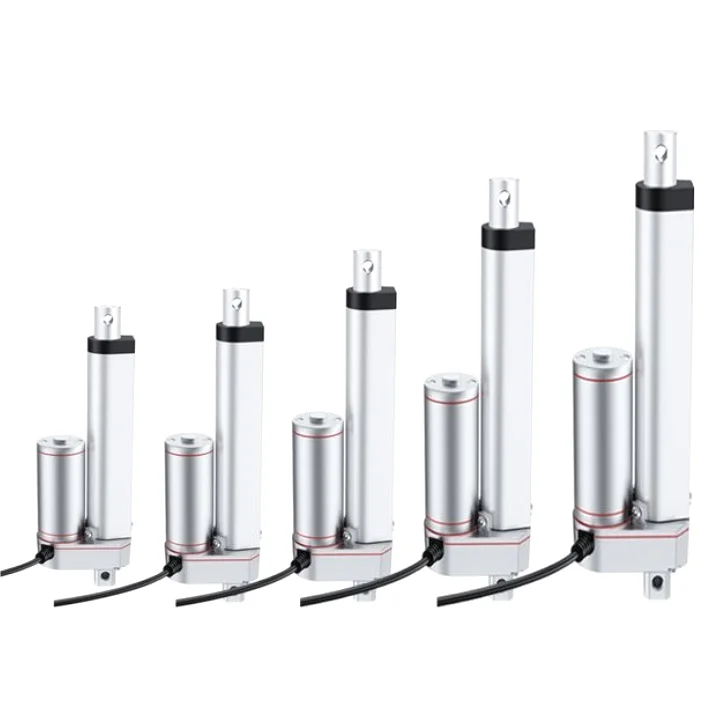
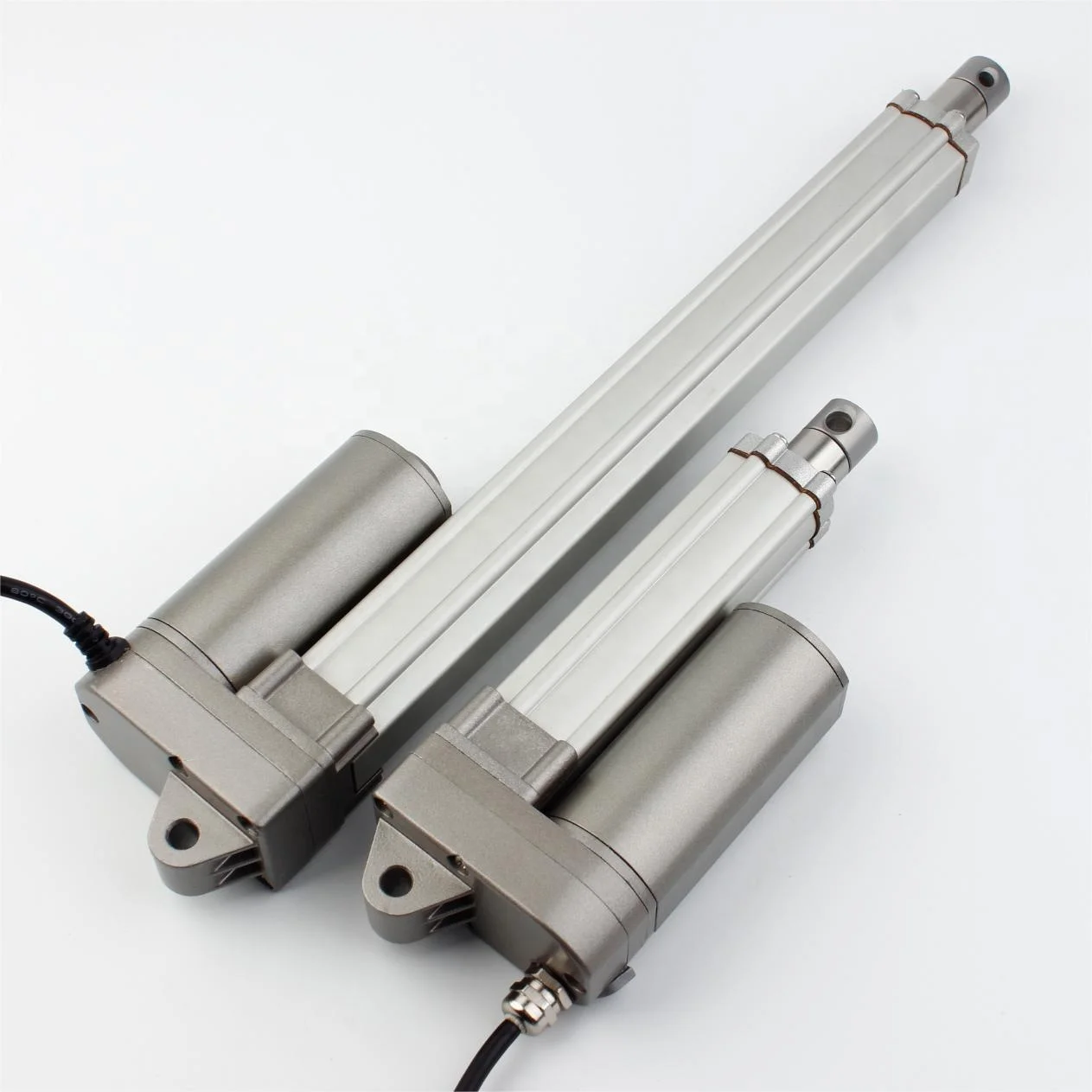
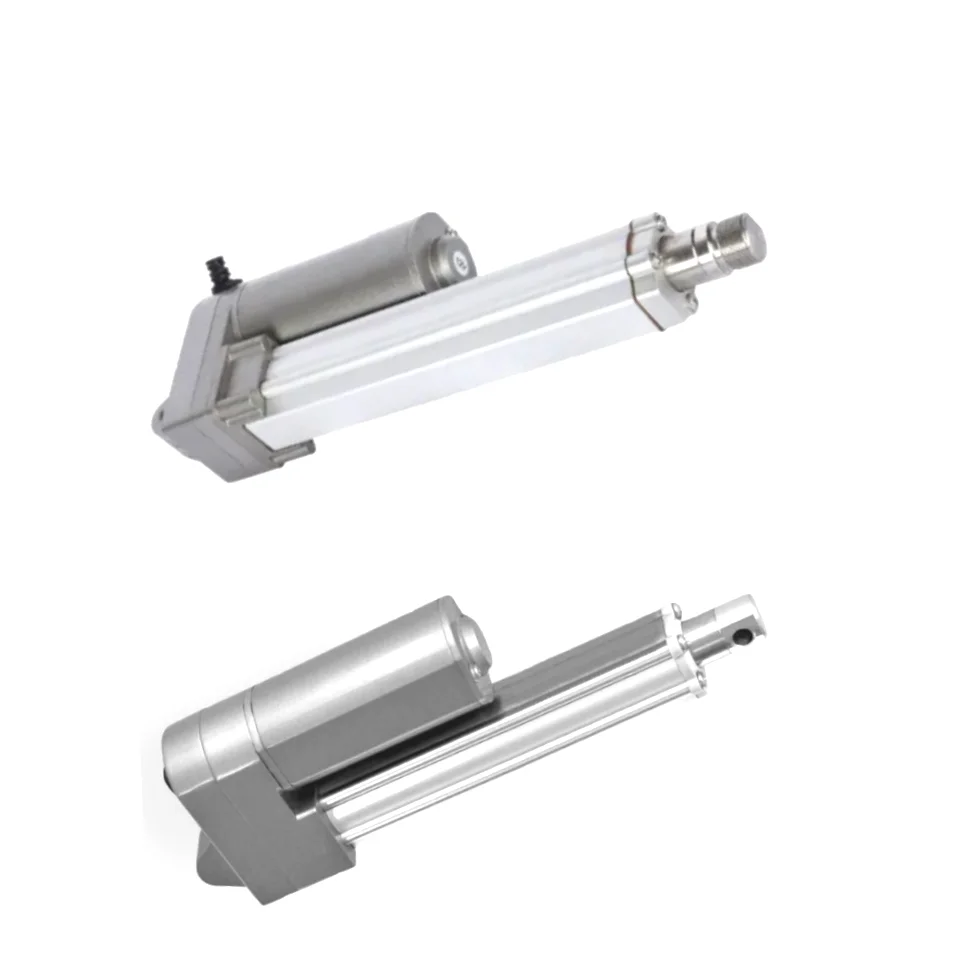
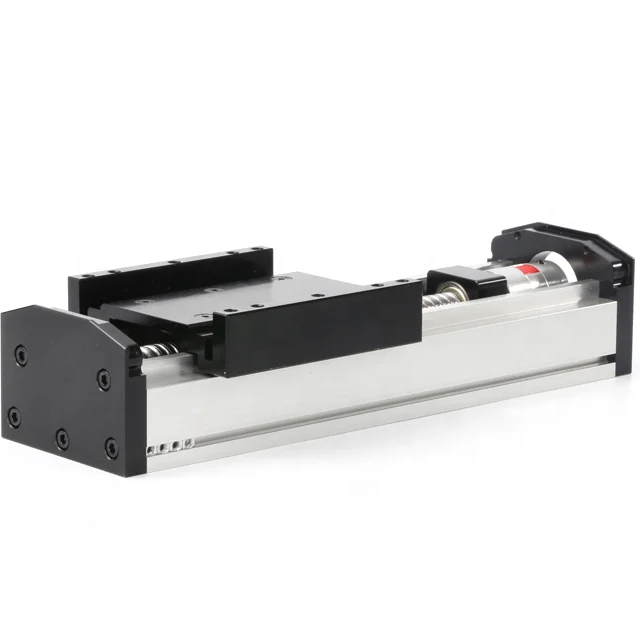
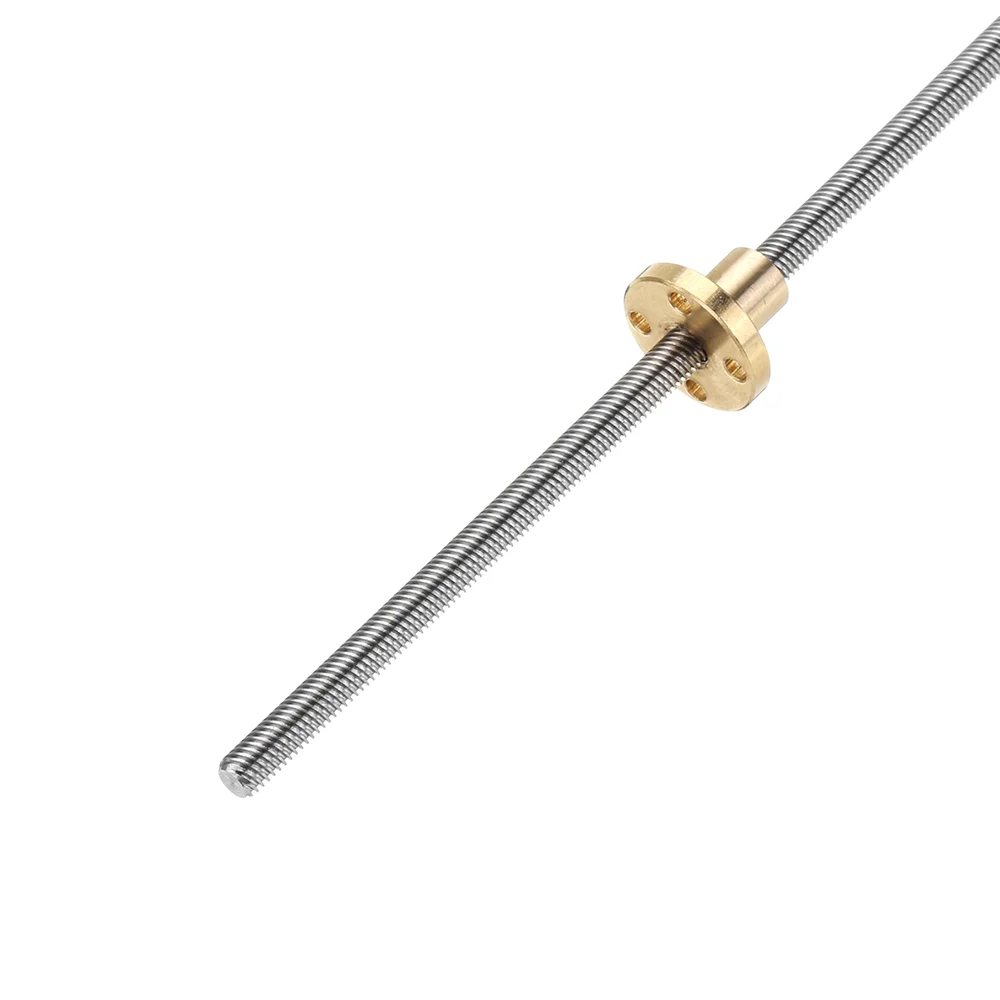
A linear module is the assembly that turns separate parts into an axis: a screw, two rails, a carriage and a housing that holds them in alignment. Buying the module instead of the parts buys you the alignment, which is the part that takes the longest to get right and the part most often got wrong.
The two families here
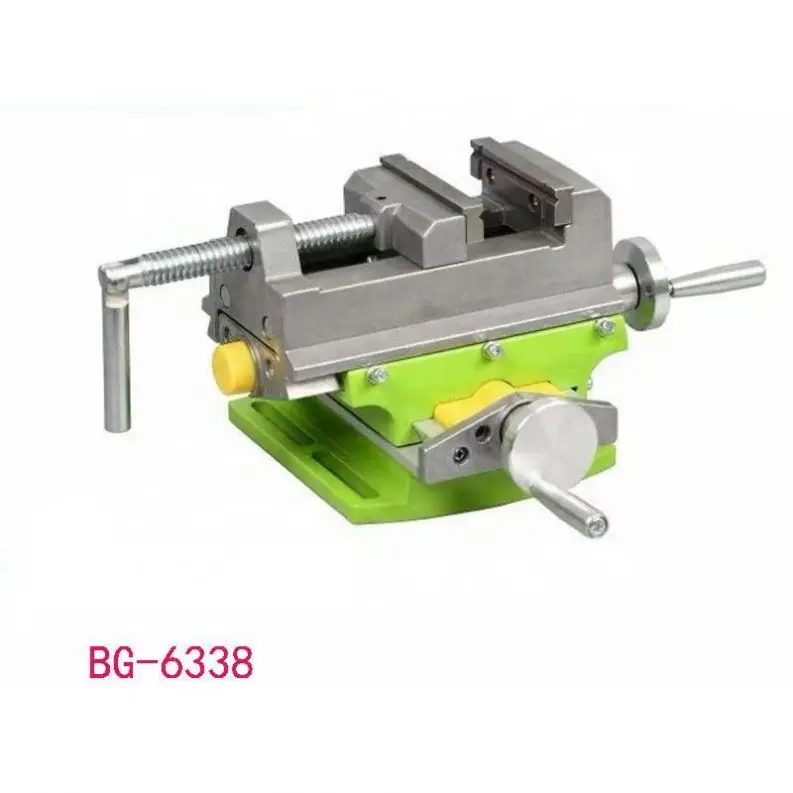
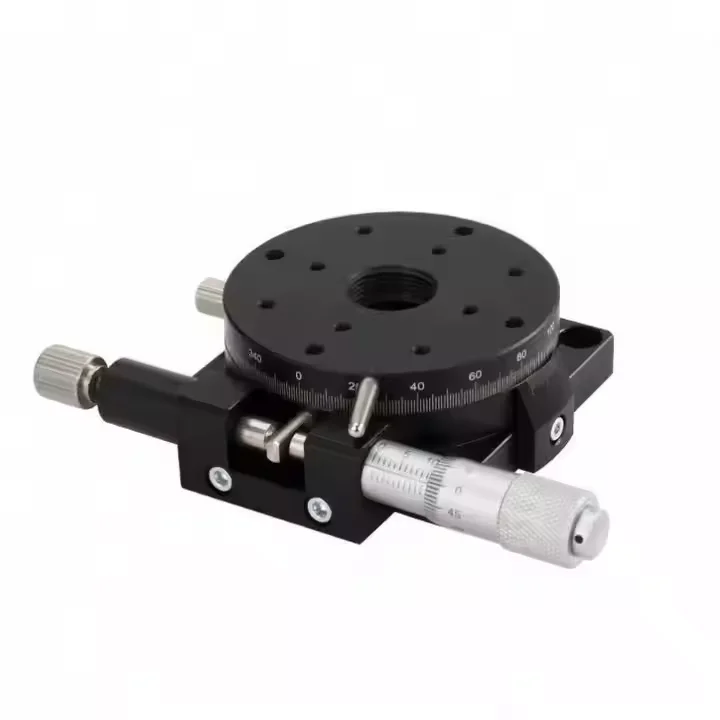
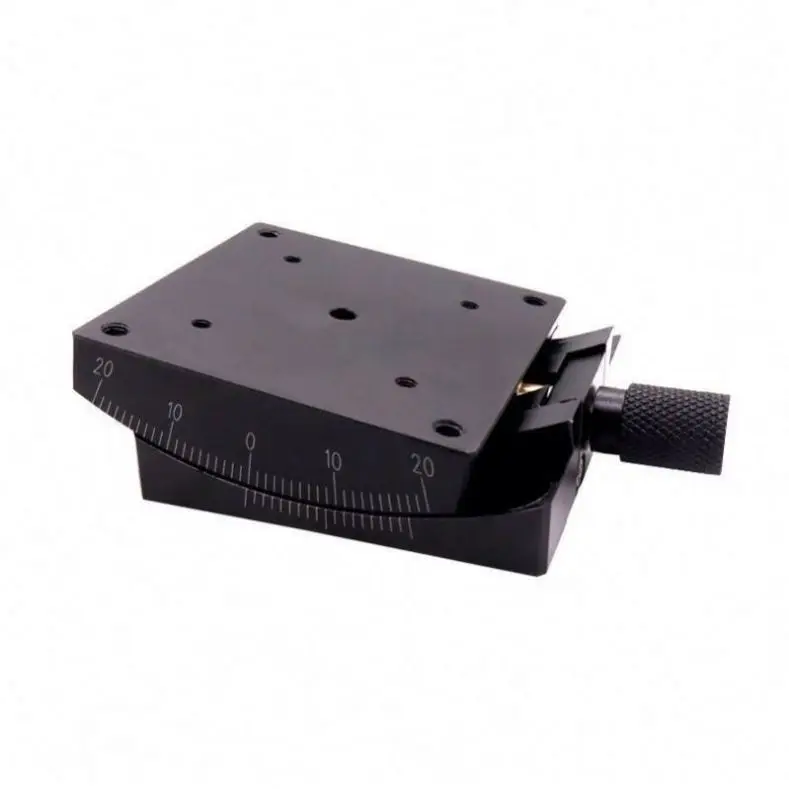
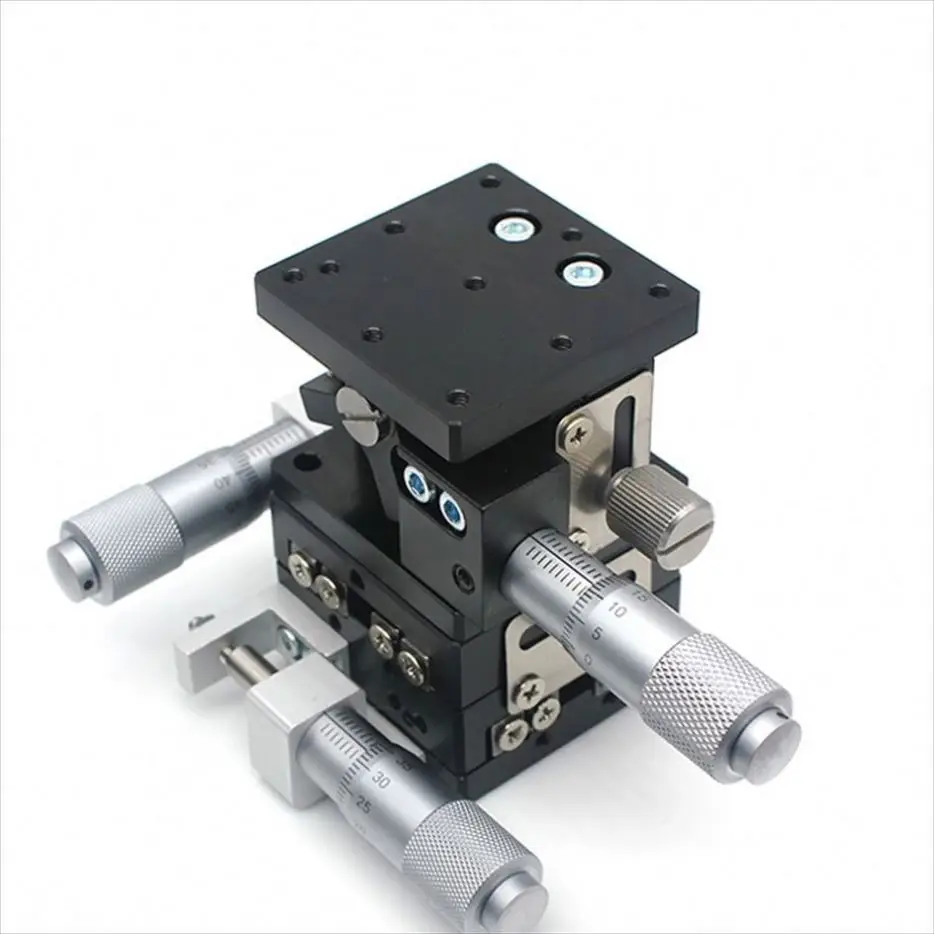
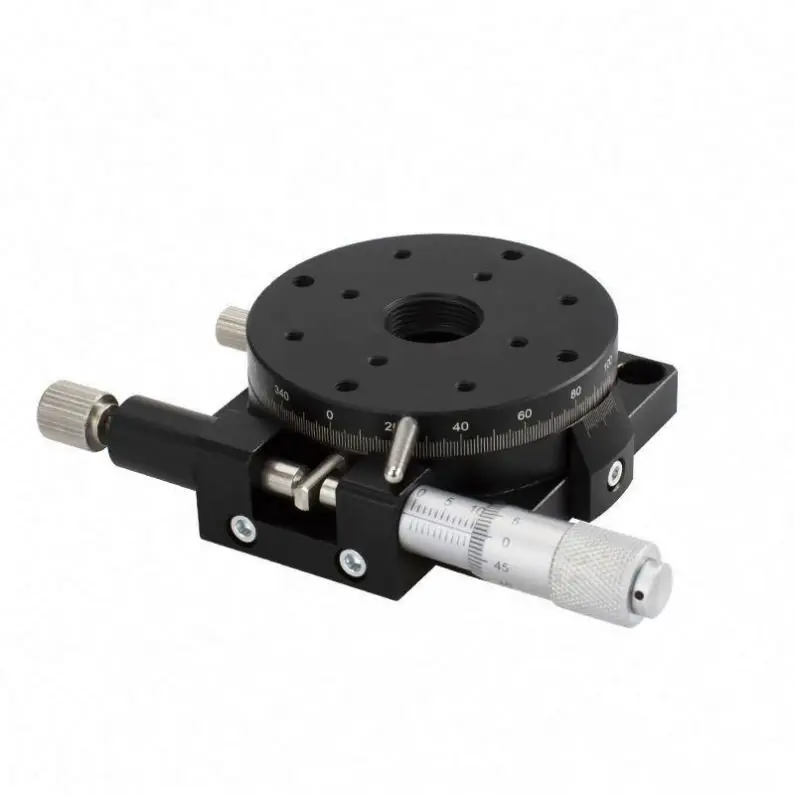
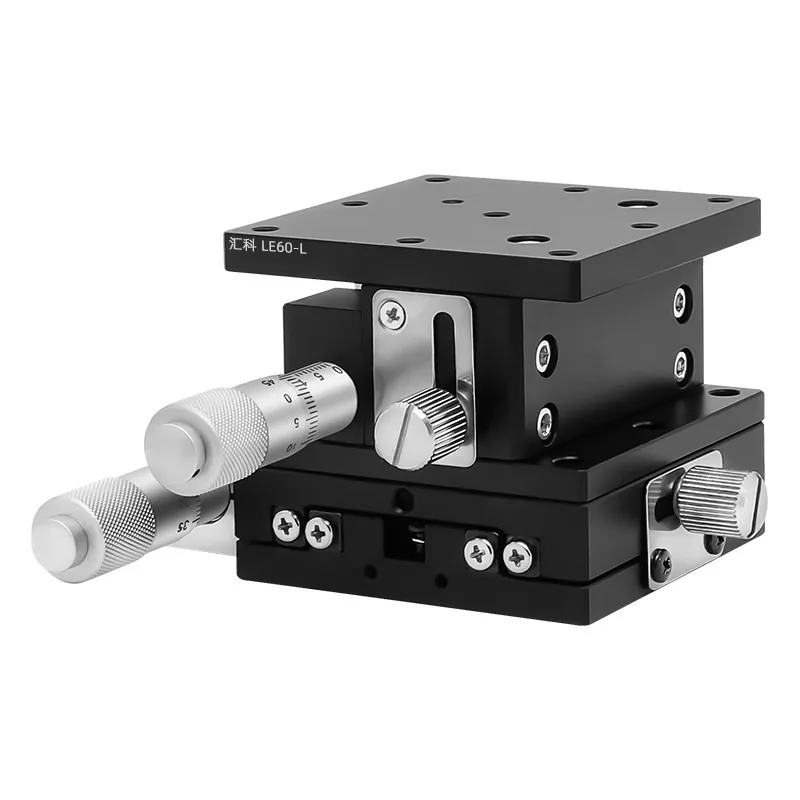
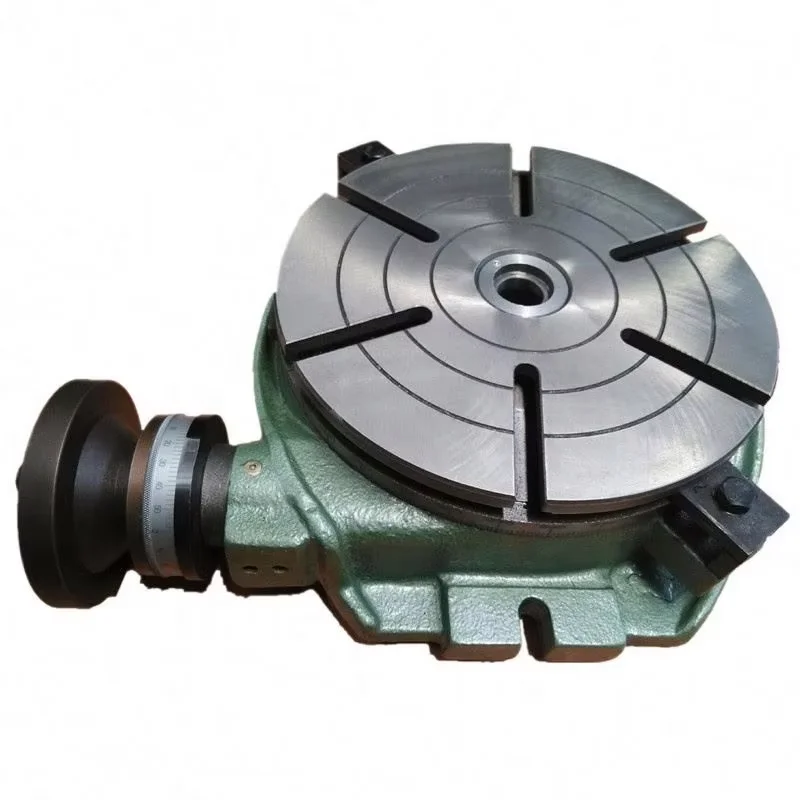
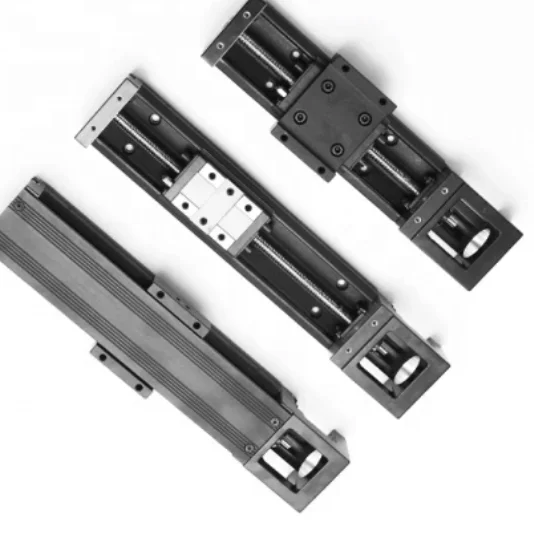
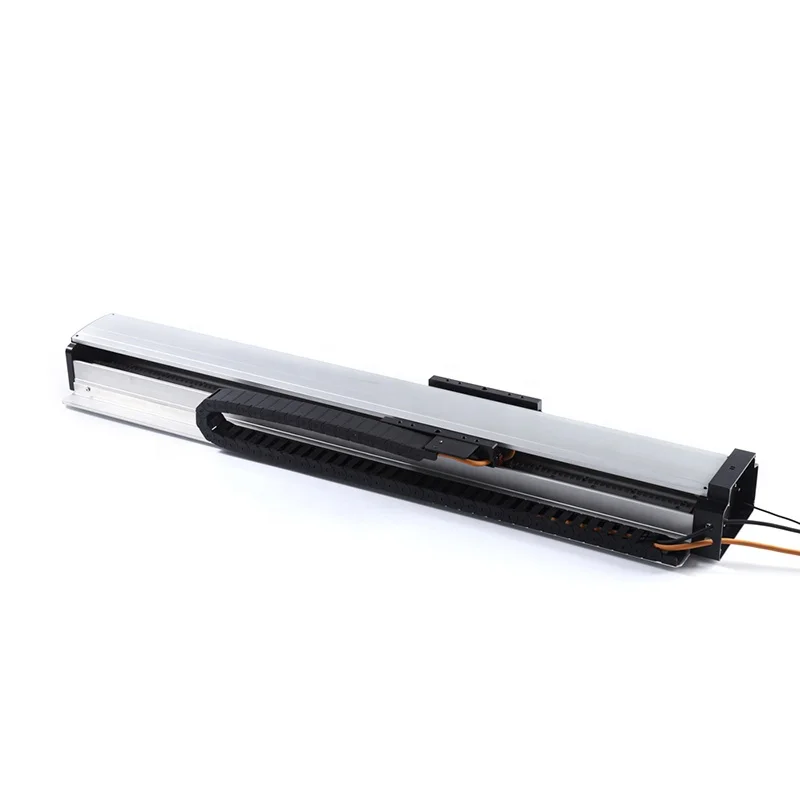
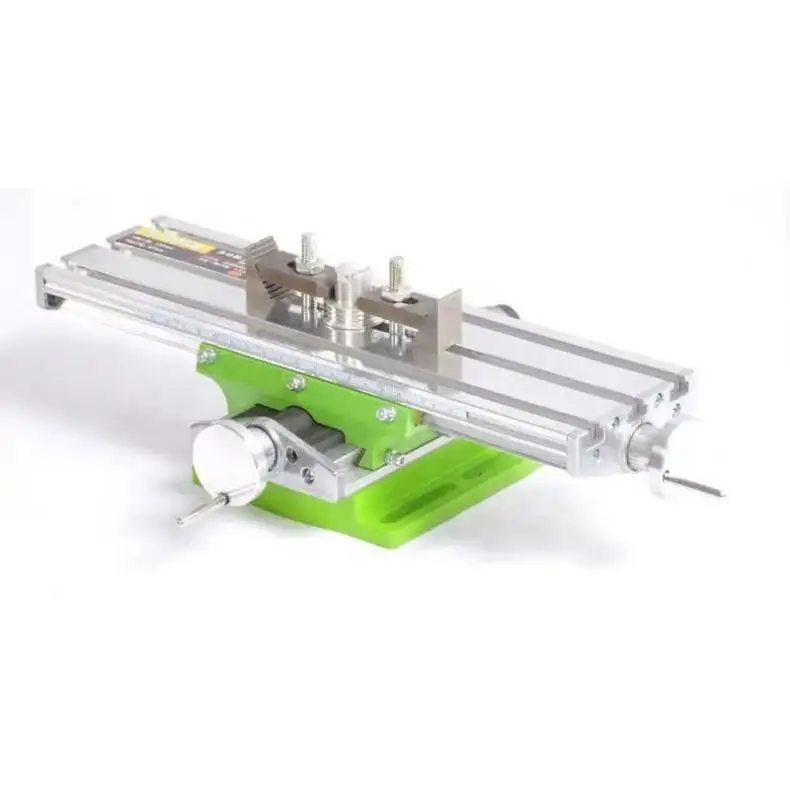
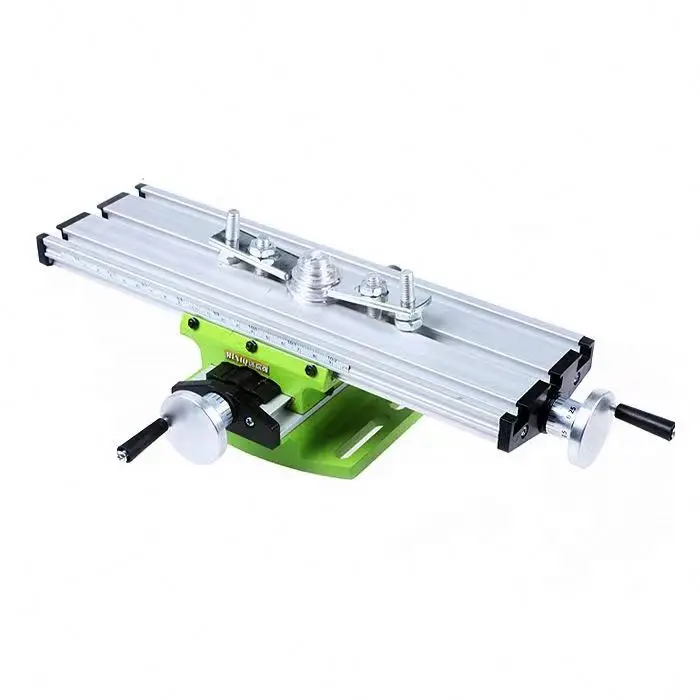
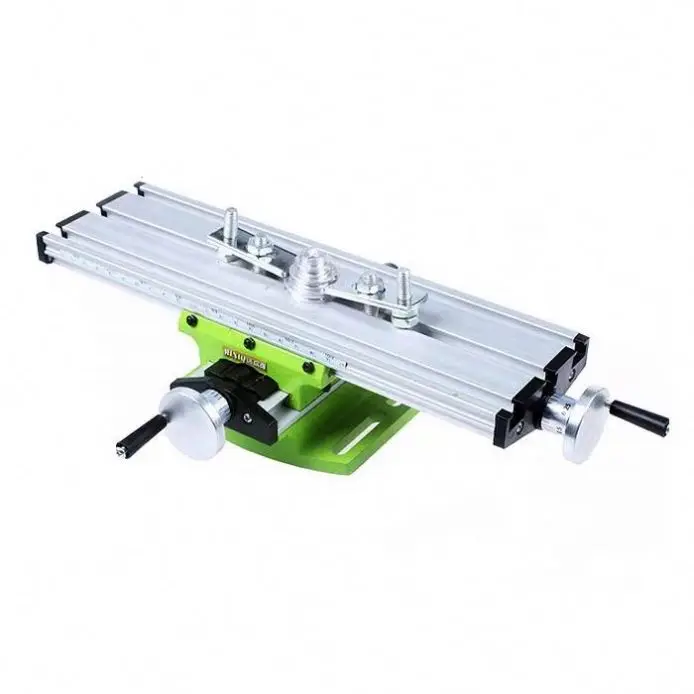
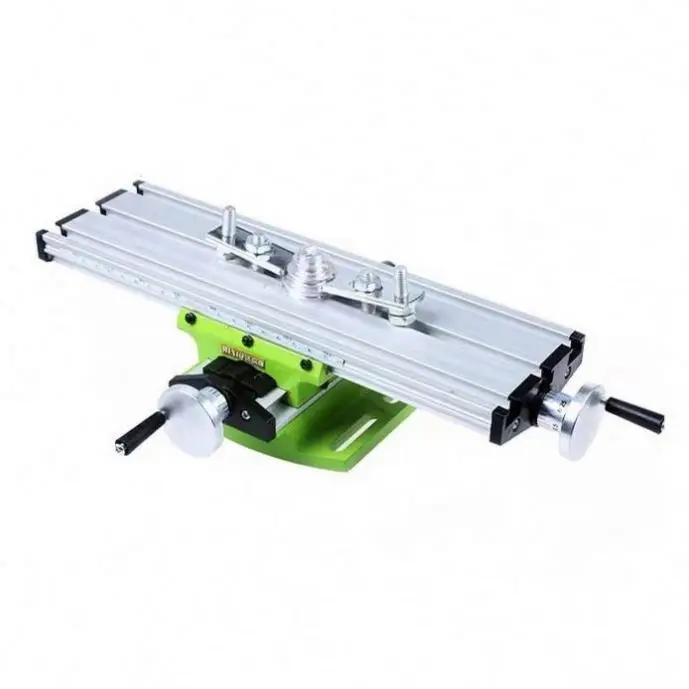
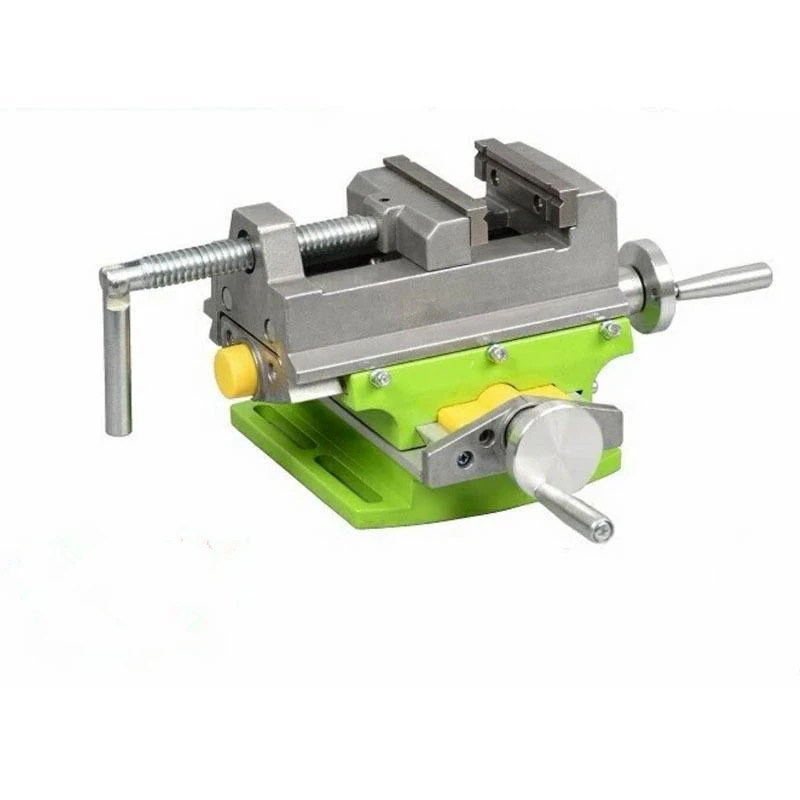
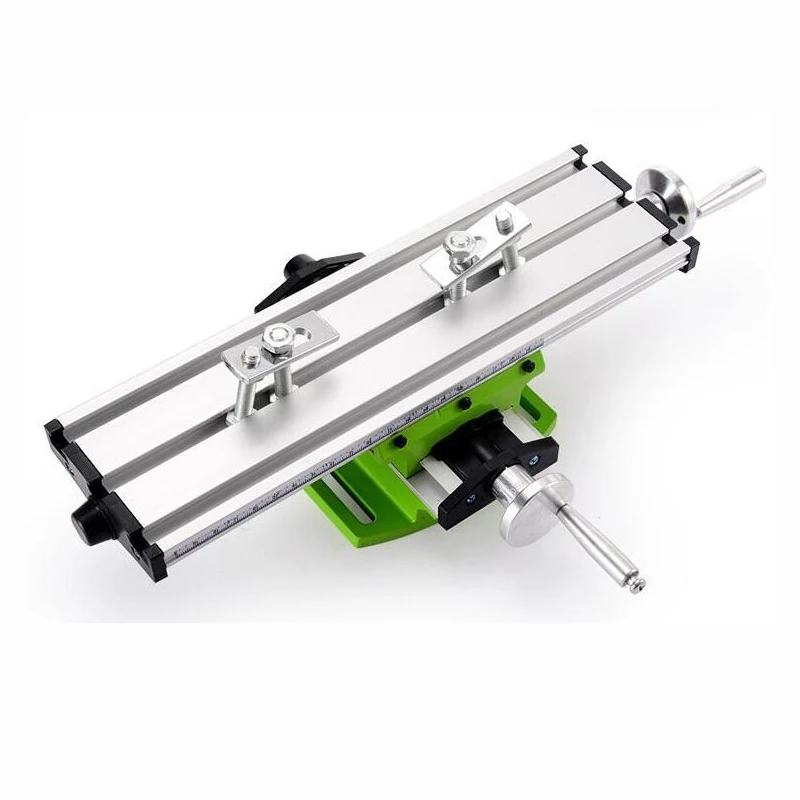
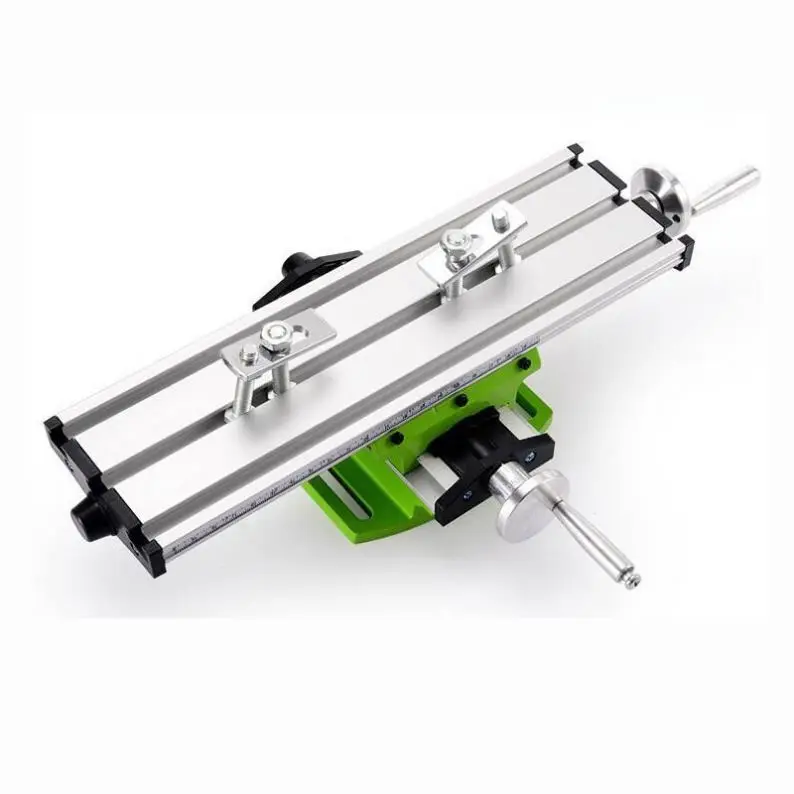
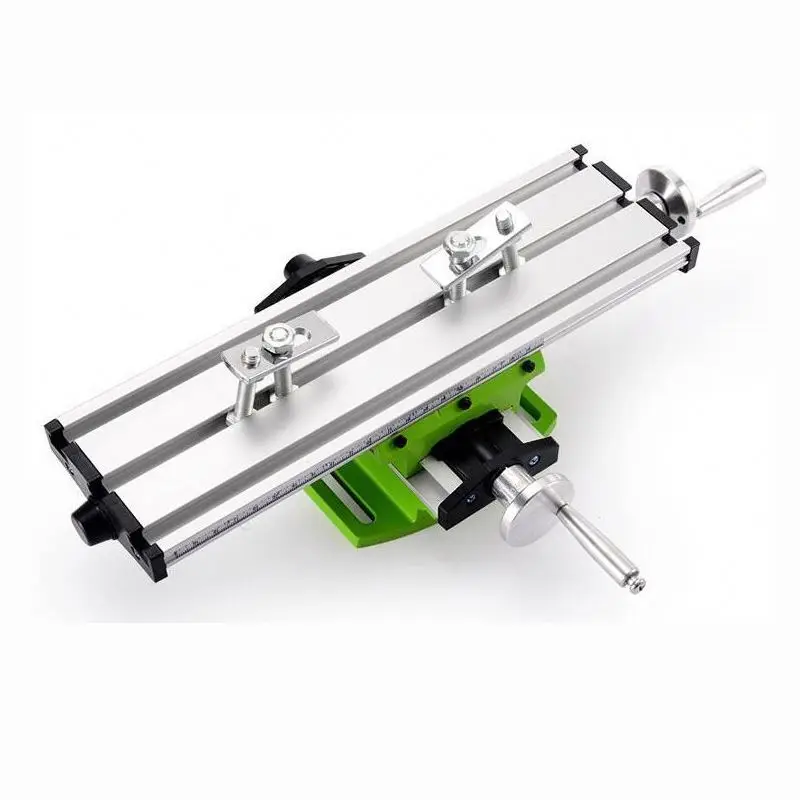
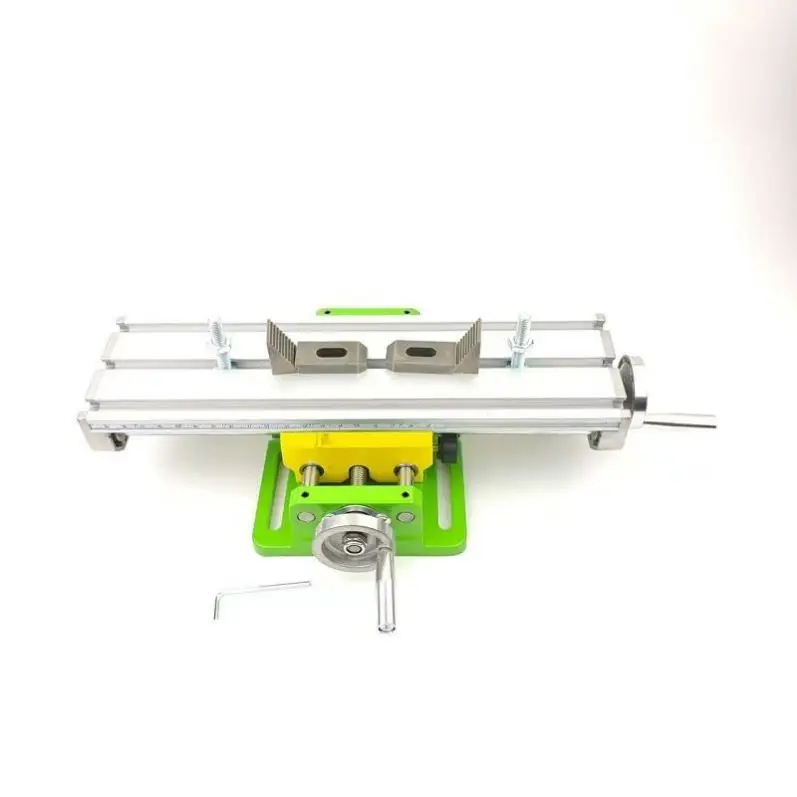
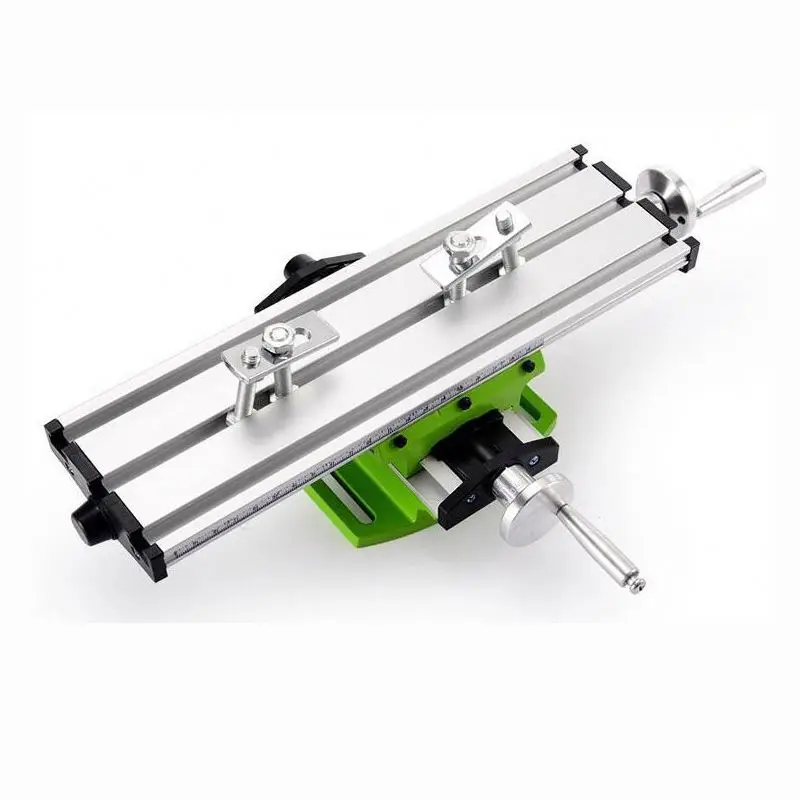
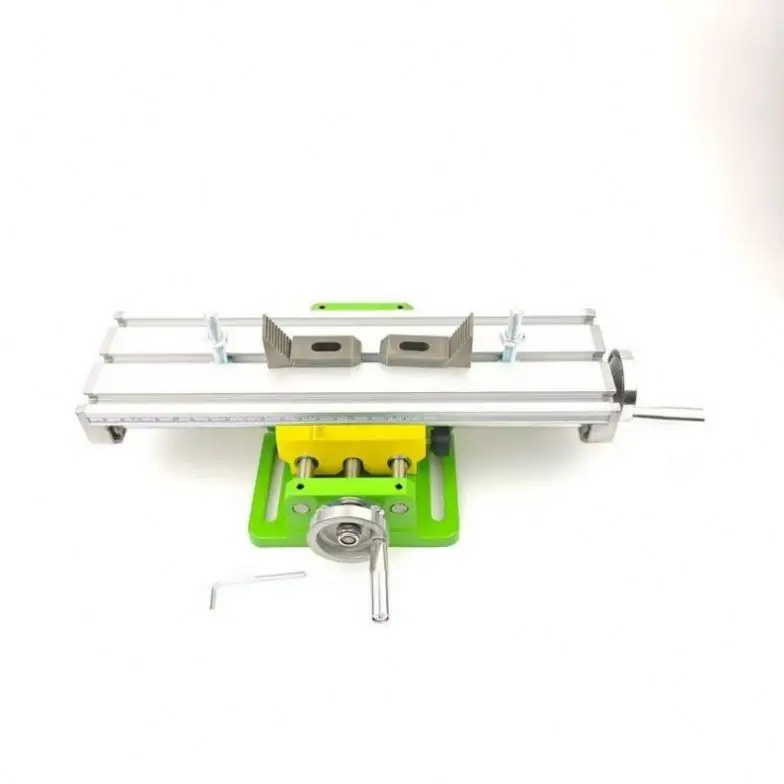
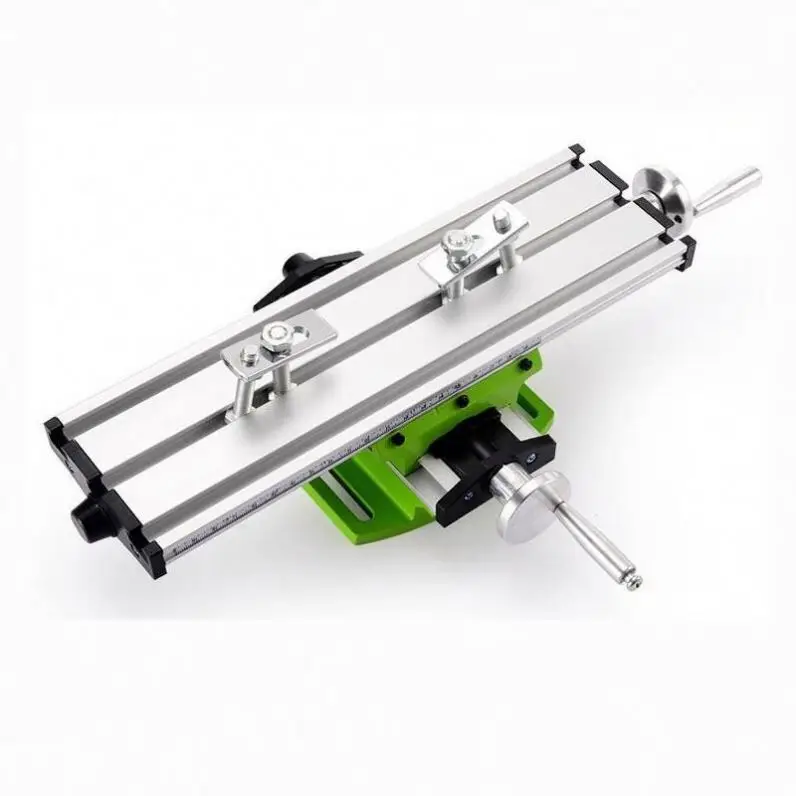
The KK series is a ball-screw-driven single-axis robot built into an aluminium extrusion. The number is the frame width: KK40, KK50, KK60, KK86, KK100 and KK130, with the longer codes such as KK4001 and KK6005 naming width and stroke variant. The second family is the manual compound table — a dovetail or leadscrew XY table with handwheels and T-slots, used under a drill press or for one-off positioning.
| Type | Drive | Best for | Not for |
|---|---|---|---|
| KK module | Ball screw, motorised | Repeatable automated axes, pick and place, dispensing, test rigs | Cutting forces and chips without bellows |
| Cross slide table | Lead screw, handwheel | Drilling, light milling, setup work, prototype fixtures | Production cycles or CNC control |
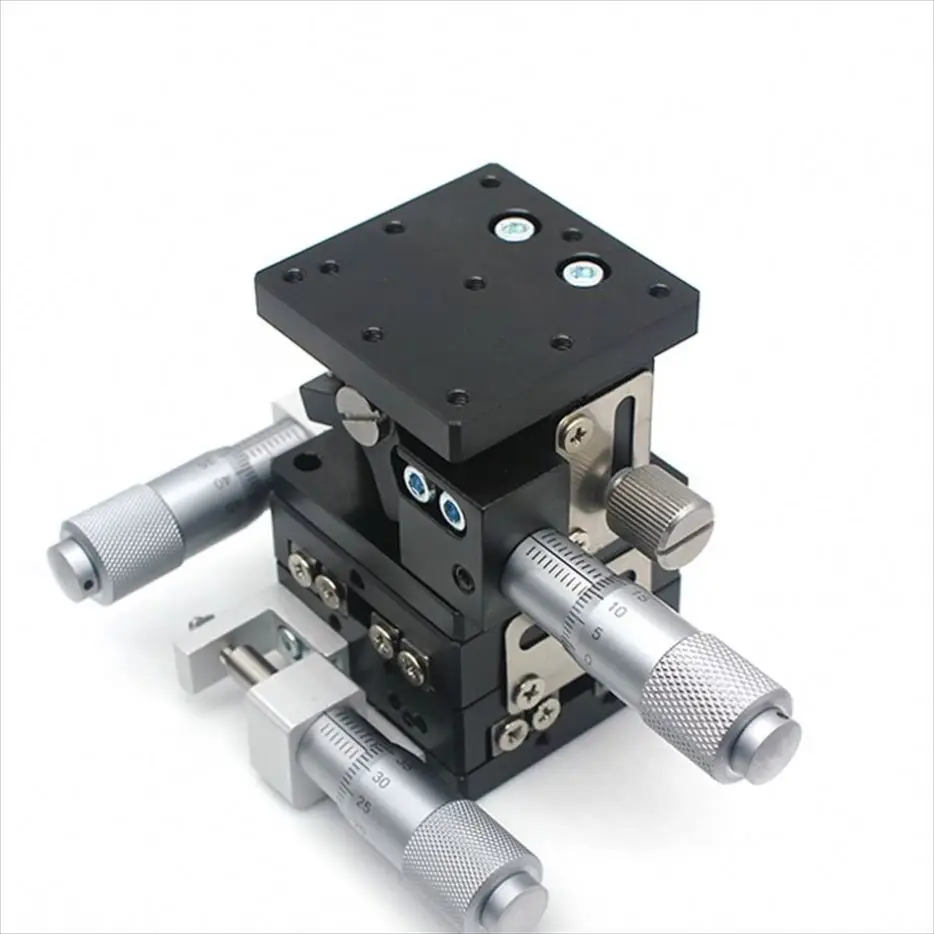
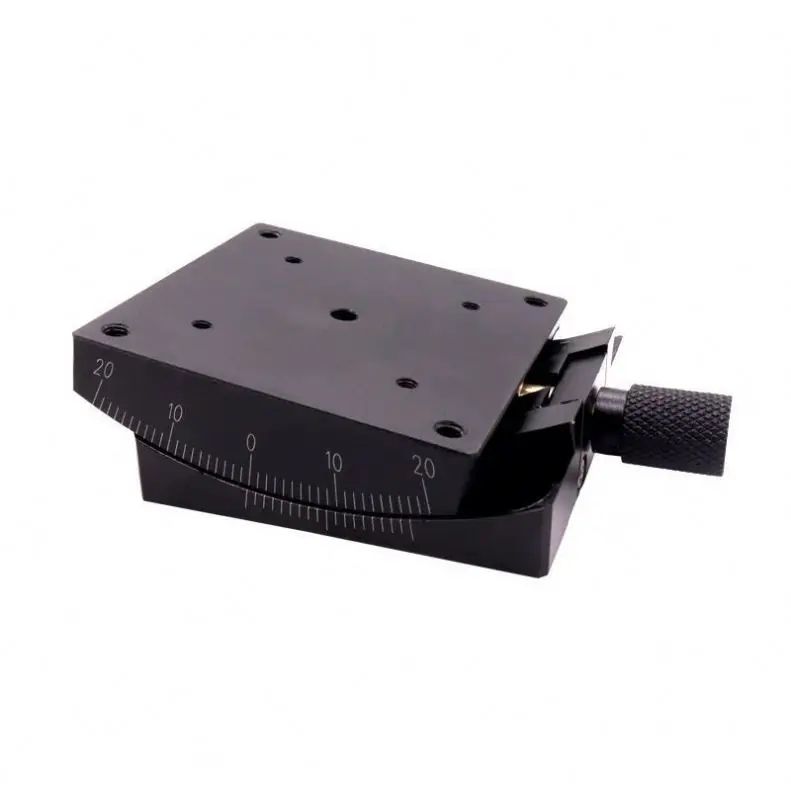
| XYZ stage | Either | Optical alignment, probing, micro-positioning | Loads above a few kilograms |
Four numbers, and the one that is always missing
Stroke, repeatability, maximum speed and moment load decide whether a module fits. The first three appear in most listings. The fourth almost never does, and it is the one that breaks carriages: a load hanging 200 mm off the centre of a 60 mm module produces a moment that can exceed the module's rating long before its vertical load rating is reached.
If the load is centred and light, a small module is fine. If the load is offset, or if the axis carries a spindle, ask for the permissible moment in N·m for both pitch and yaw before choosing a size.
Repeatability is not accuracy
A module quoting plus or minus 0.01 mm repeatability is telling you it returns to the same place. It is not telling you it arrives at the commanded place. On a rolled screw the lead error alone can be an order of magnitude larger over a full stroke. If the job needs absolute position, the module needs a ground screw or a linear scale, and the quotation should say which.
Stroke versus overall length
A module with a 500 mm stroke is not 500 mm long. Add the carriage, both end blocks and the motor: typically 250 to 400 mm. That matters twice — once for the space on the machine, once for freight, because an extrusion is billed on length and volume rather than weight.
Mounting and protection
A module is only as straight as the surface it is bolted to. Bolt it to a frame that is twisted and the carriage will bind at the ends of travel. For anything cutting metal, wood or composite, specify bellows or a scraper: an unprotected ball screw in a dust environment loses its grease first and its accuracy second, and the failure looks like a screw problem when it is a sealing problem.
What to send with an enquiry
- Required stroke, and the overall length you can accommodate
- Load in kilograms and where it sits — centred, cantilevered, or offset sideways
- Speed and acceleration you need, not the maximum the catalogue quotes
- Mounting orientation: horizontal, vertical or inverted
- Whether a motor, driver and limit switches are part of the scope