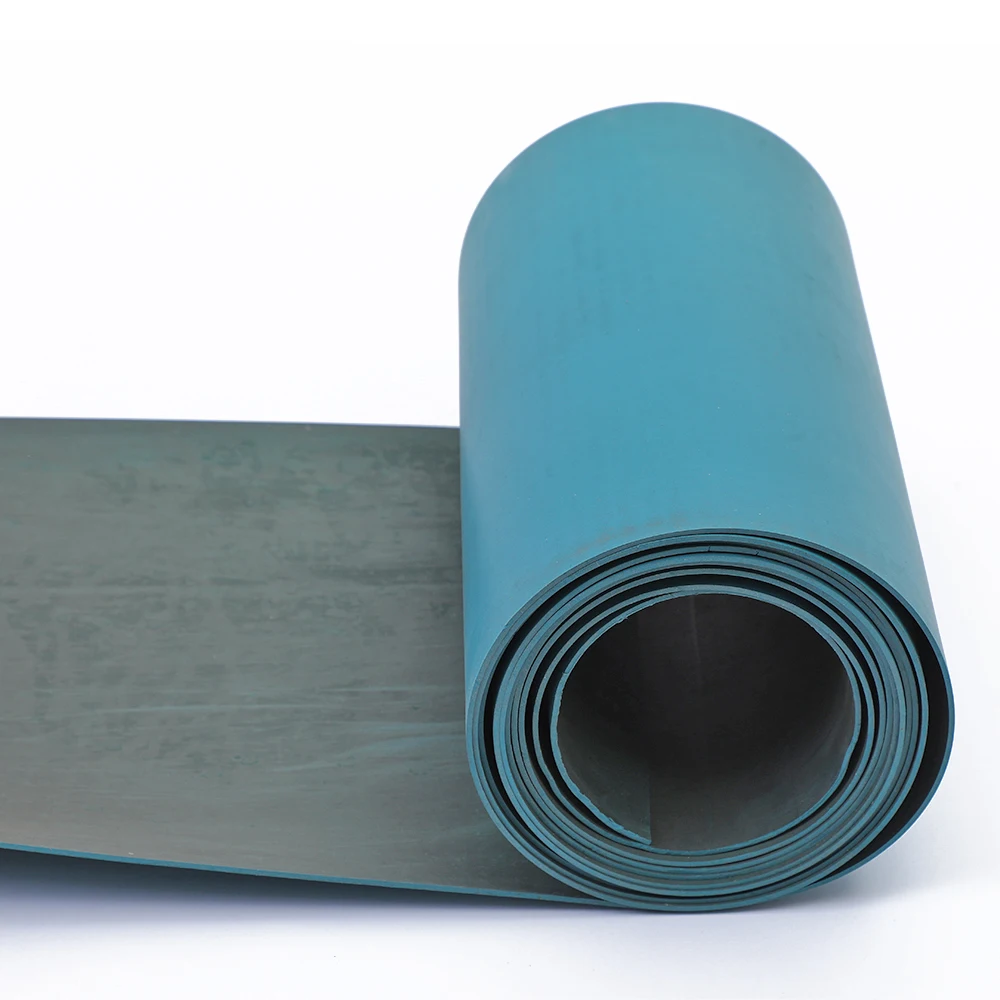
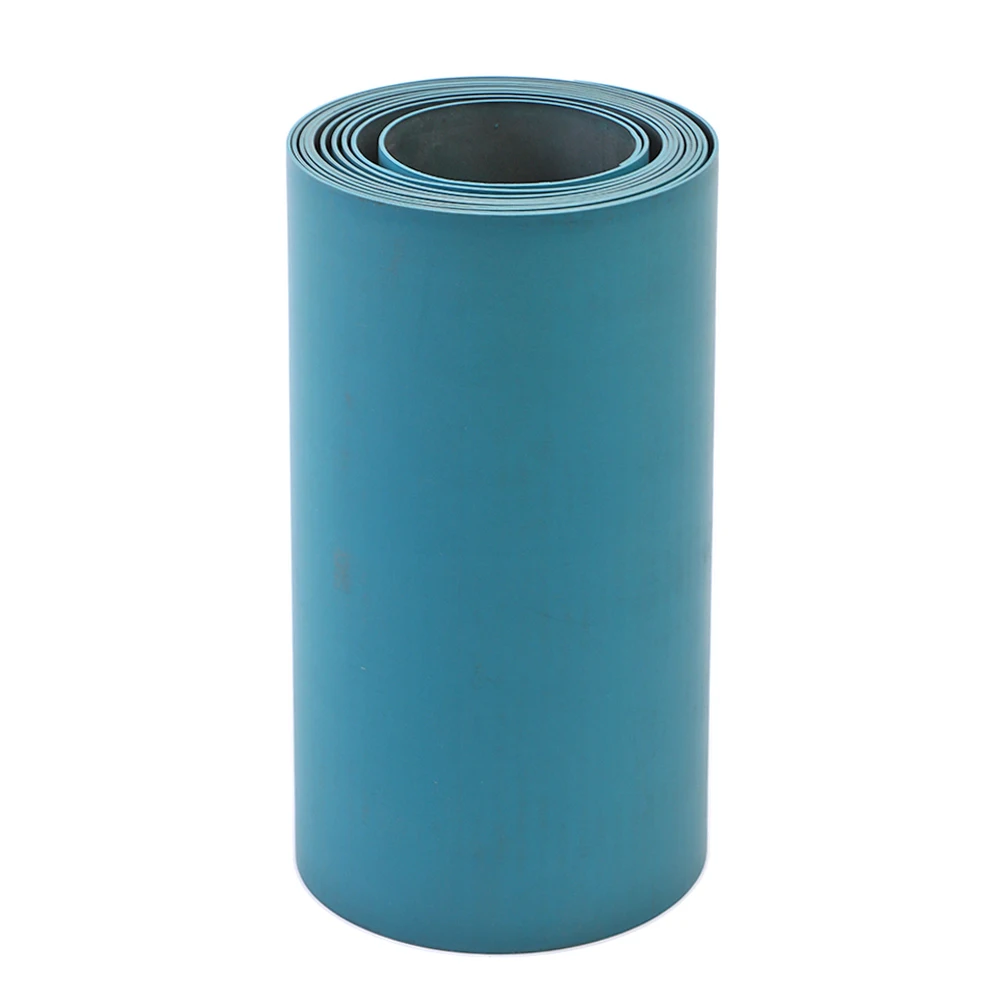
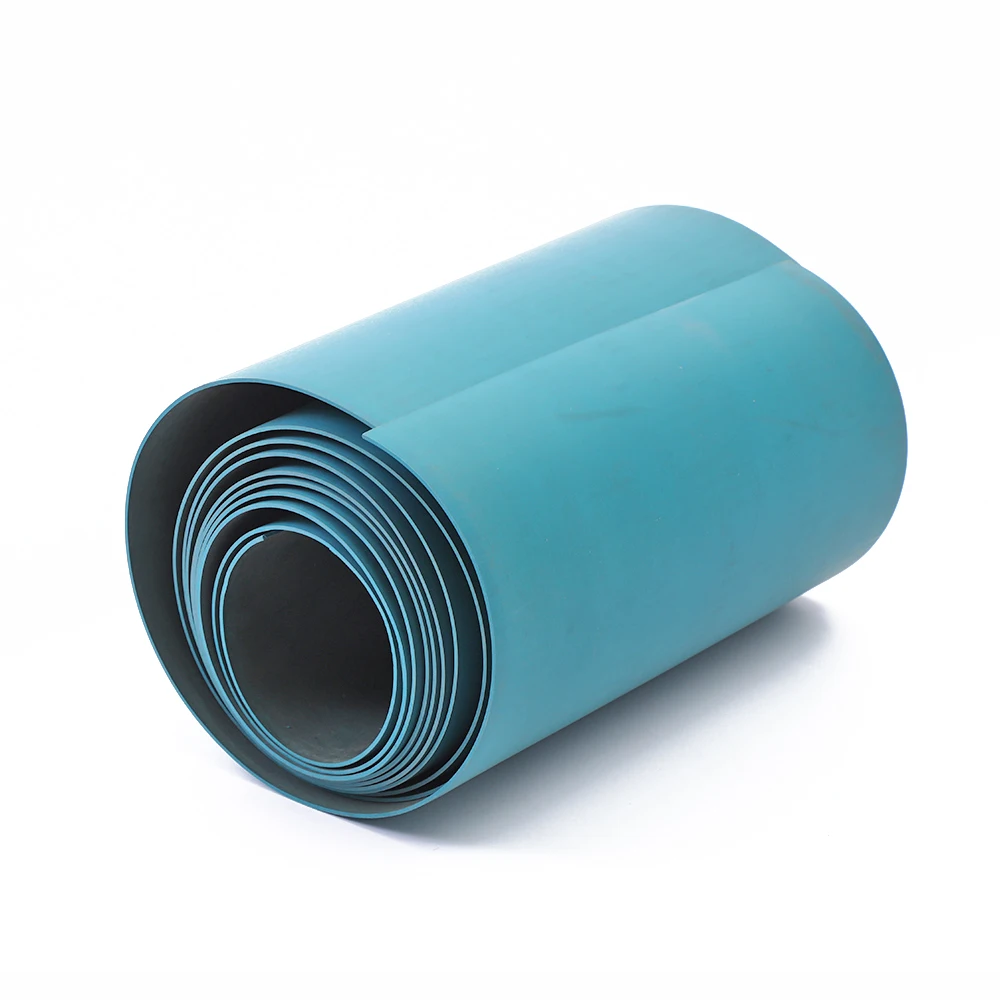
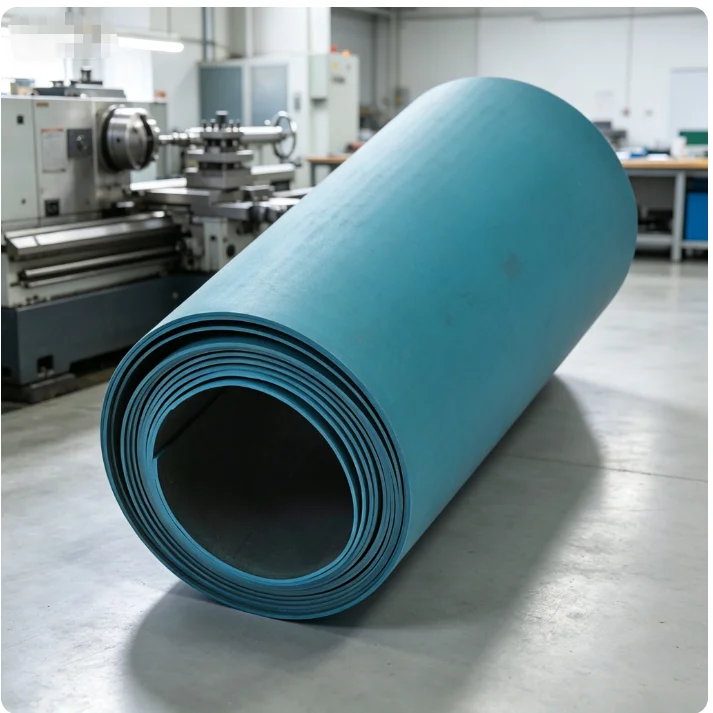
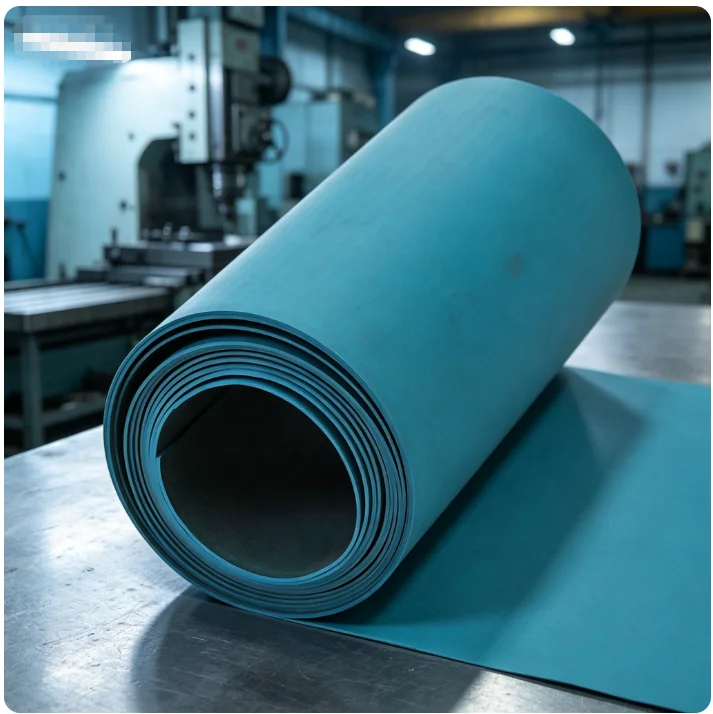
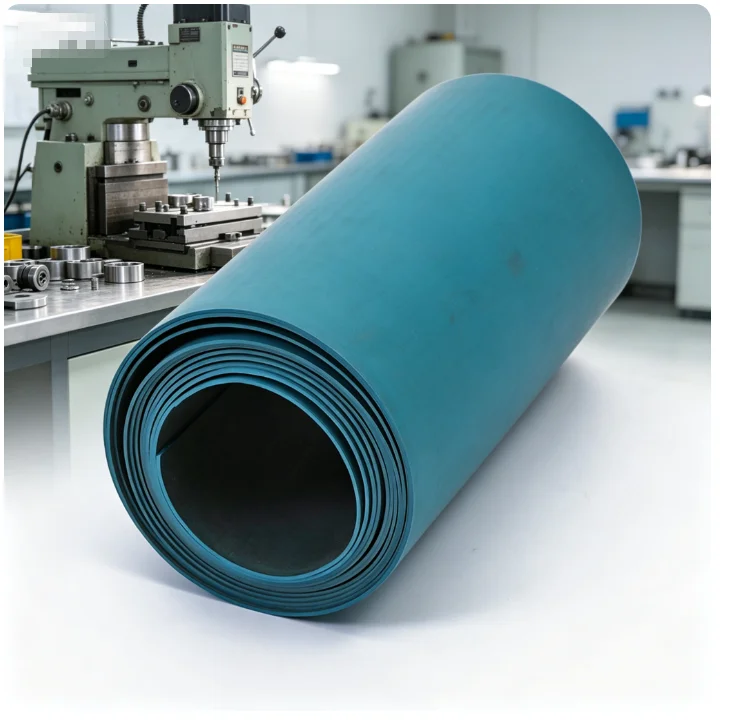
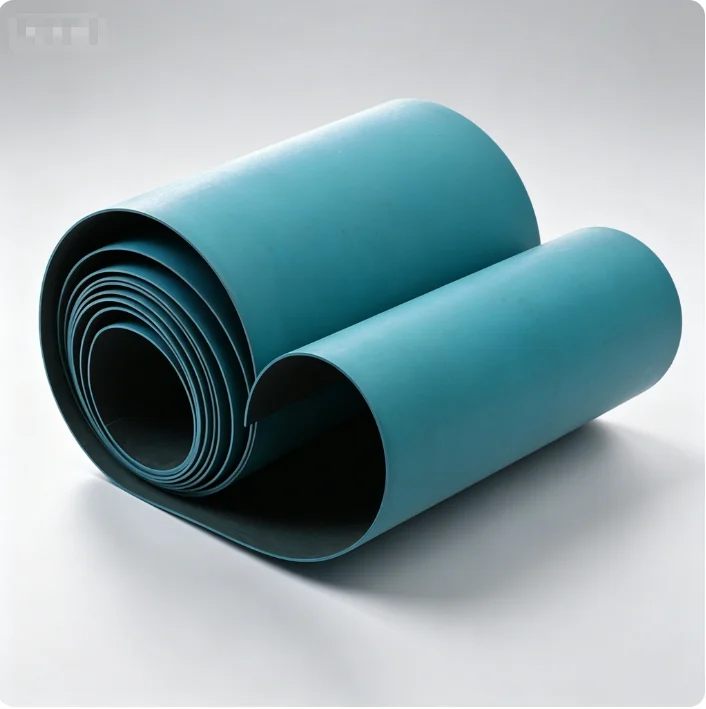
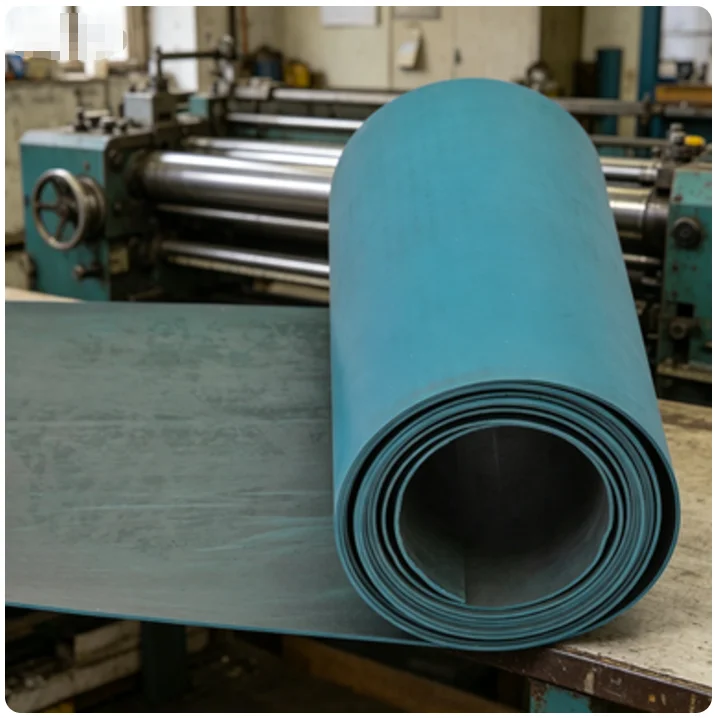
When a machine tool slide wears, the geometry goes before the surface does. The saddle drops, the table rocks, and the part comes out tapered. Rebuilding the slide means restoring the geometry, and the material that does it is a filled PTFE sheet bonded to the moving surface and scraped to fit.
What the sheet is
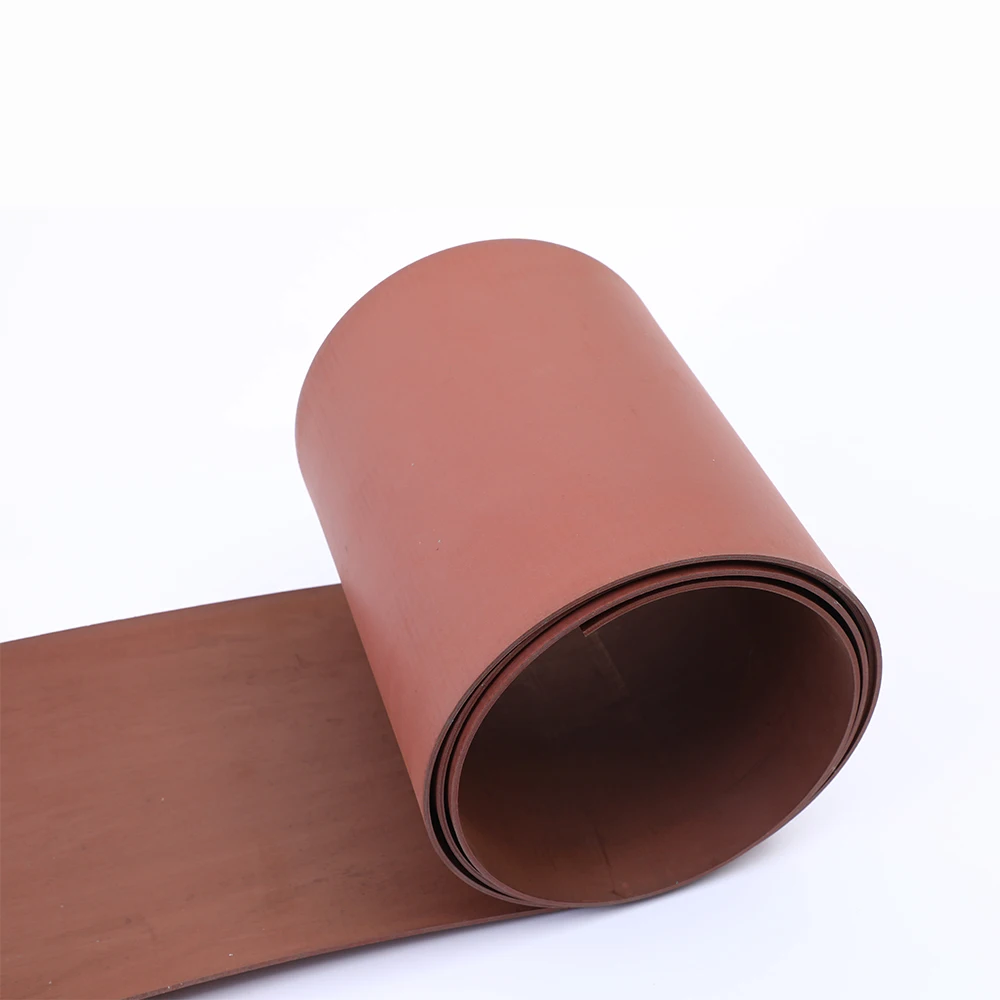
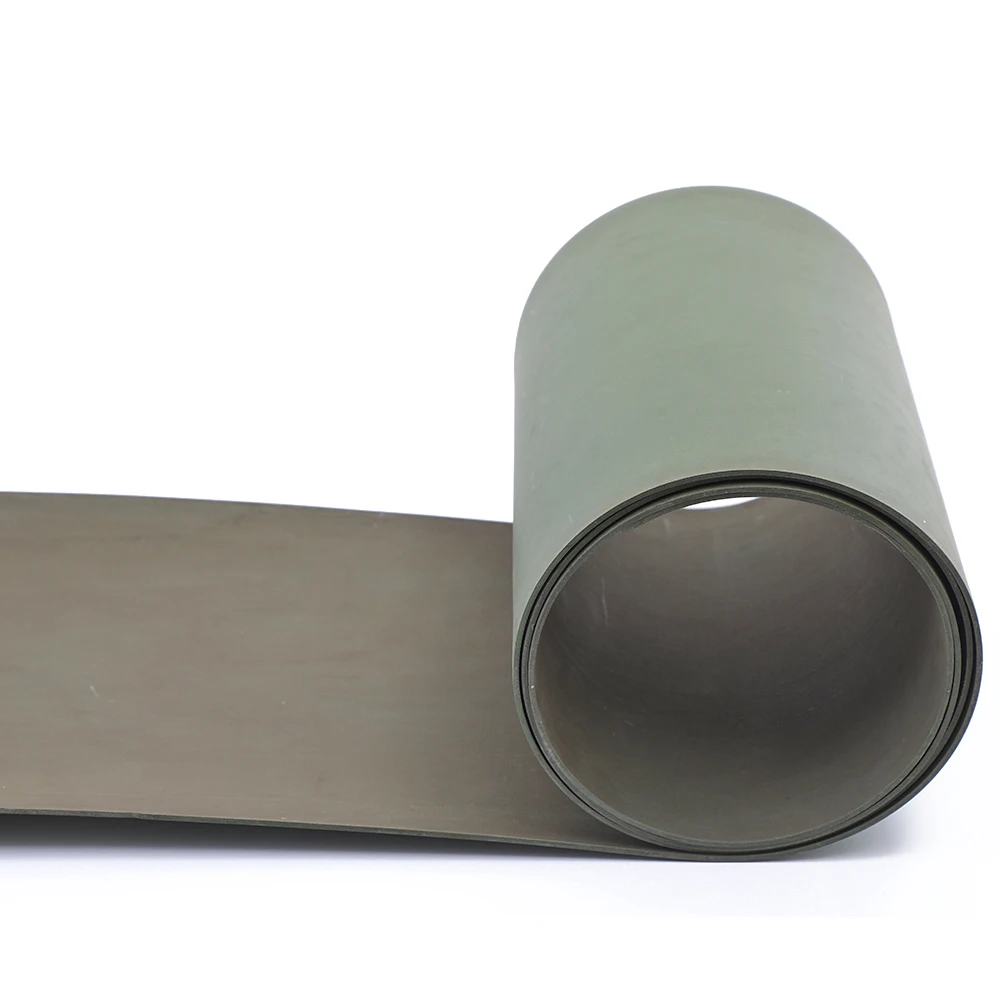
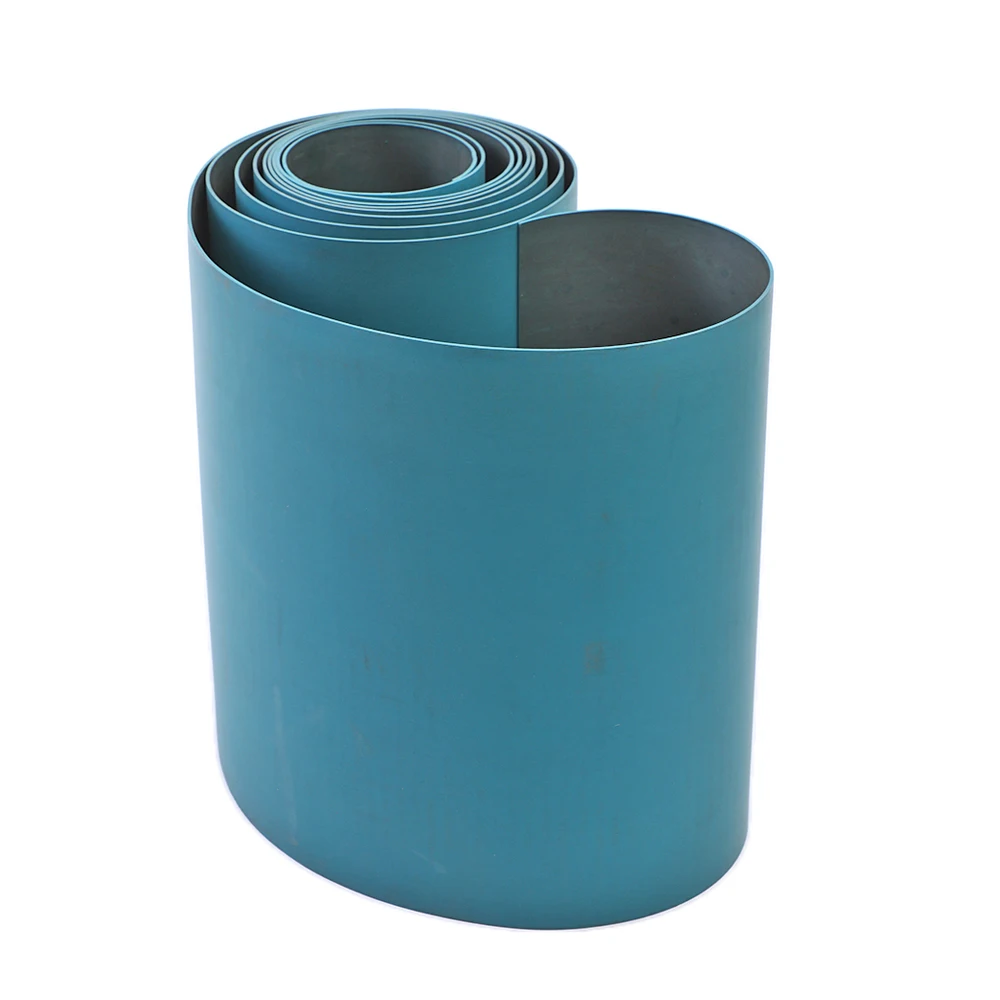
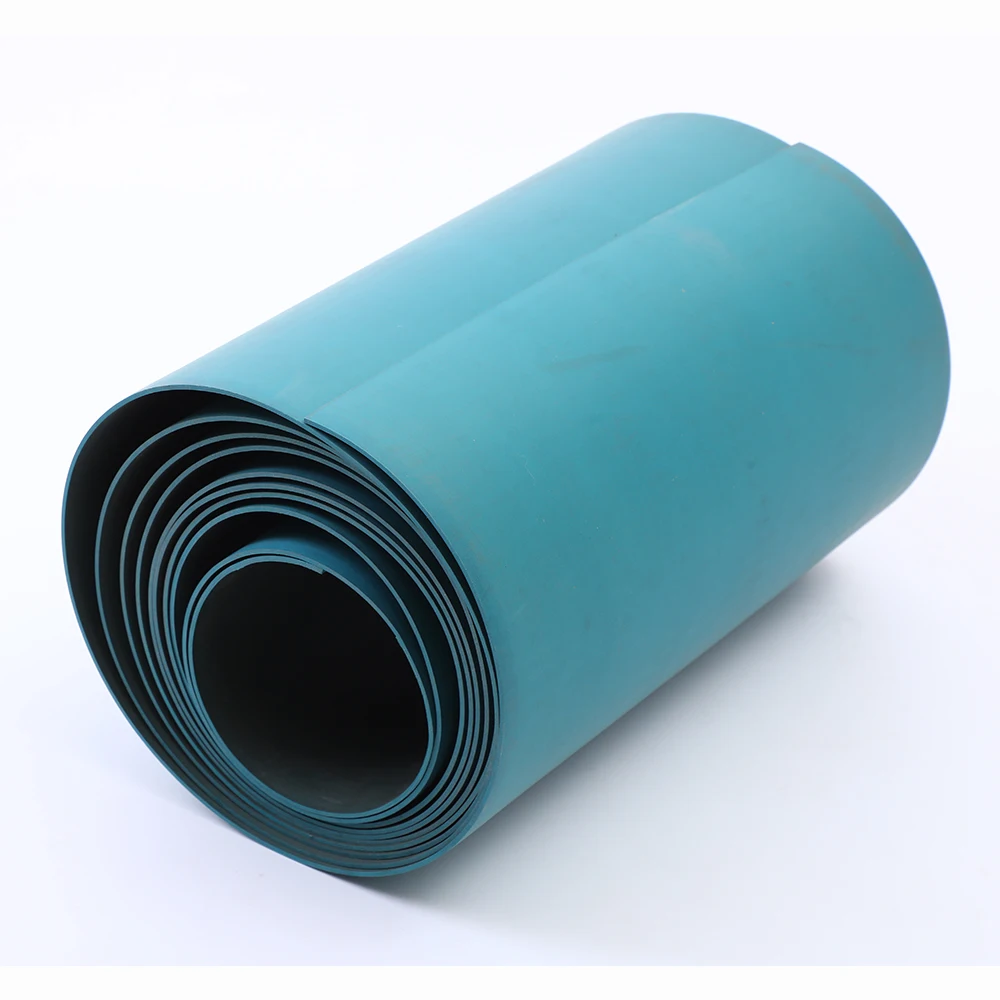
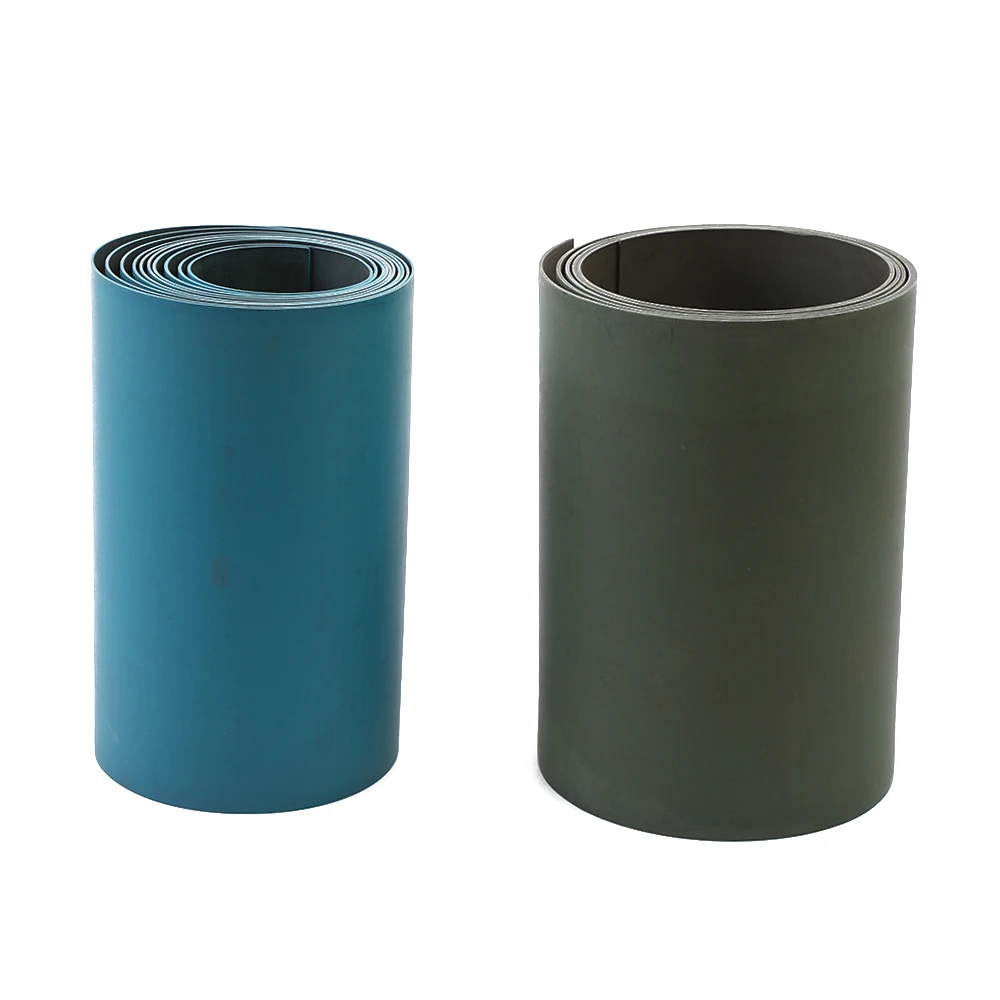
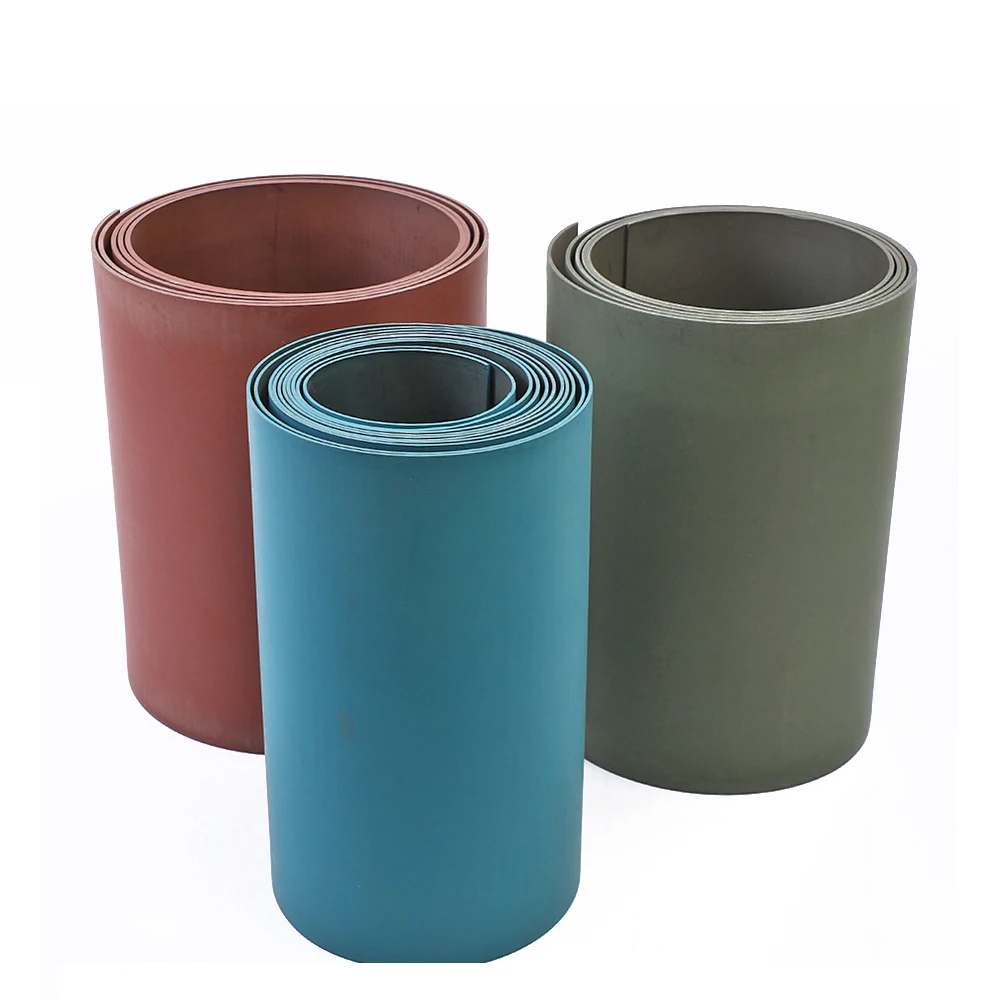
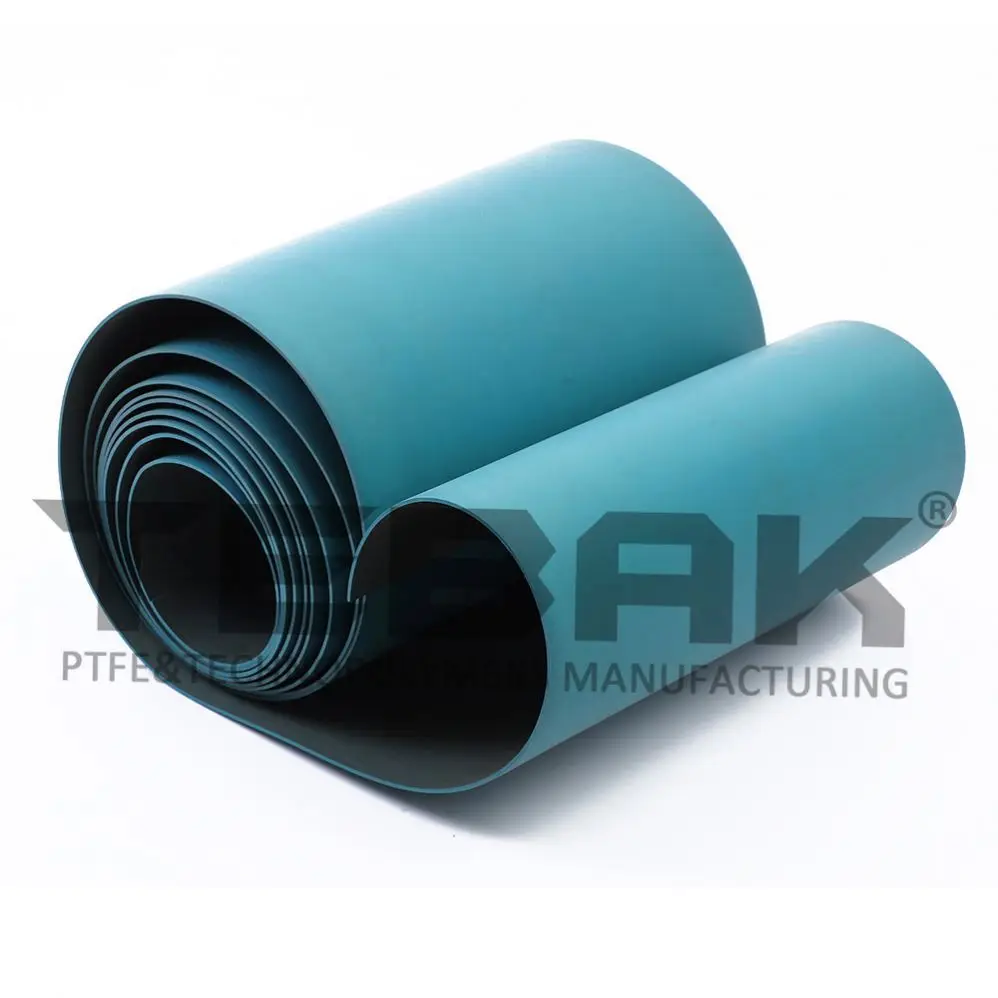
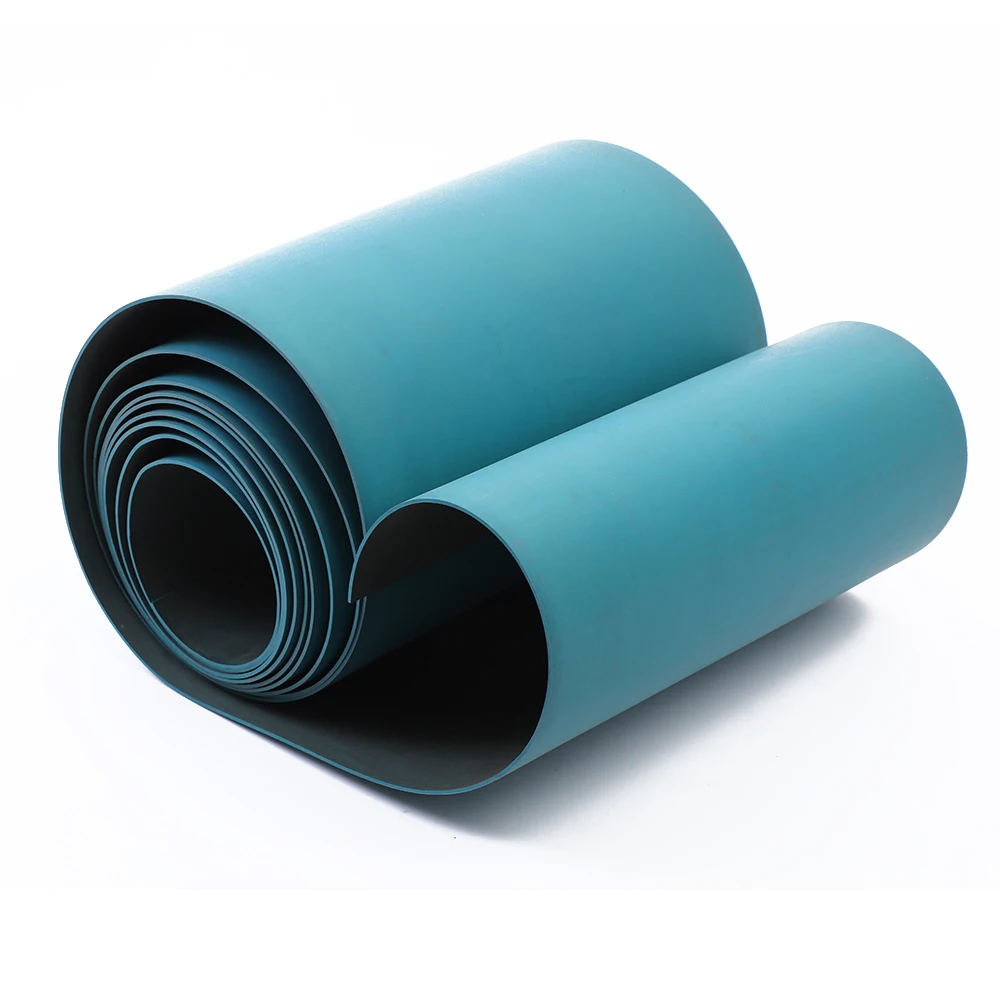
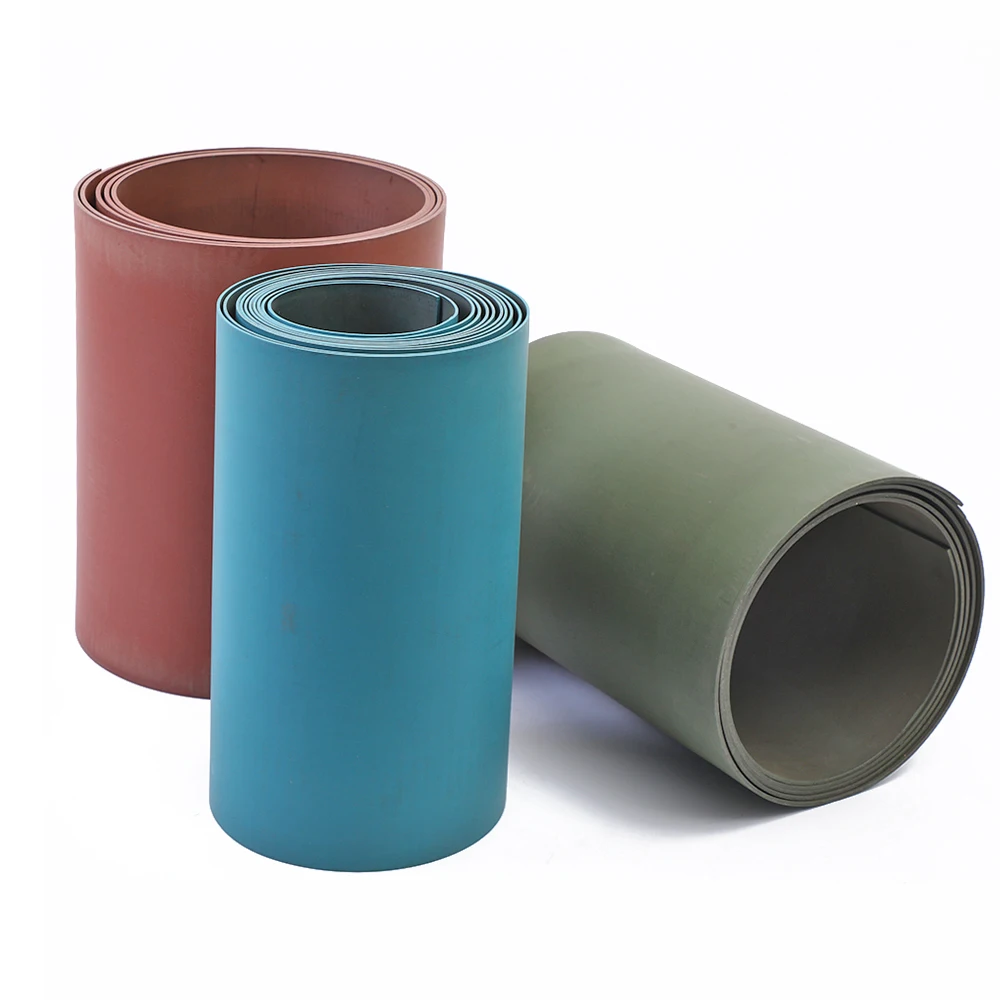
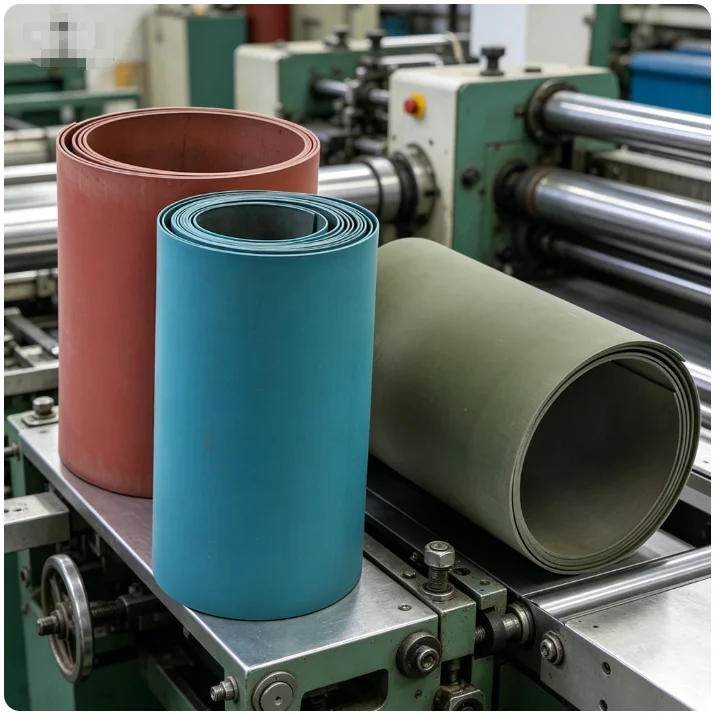
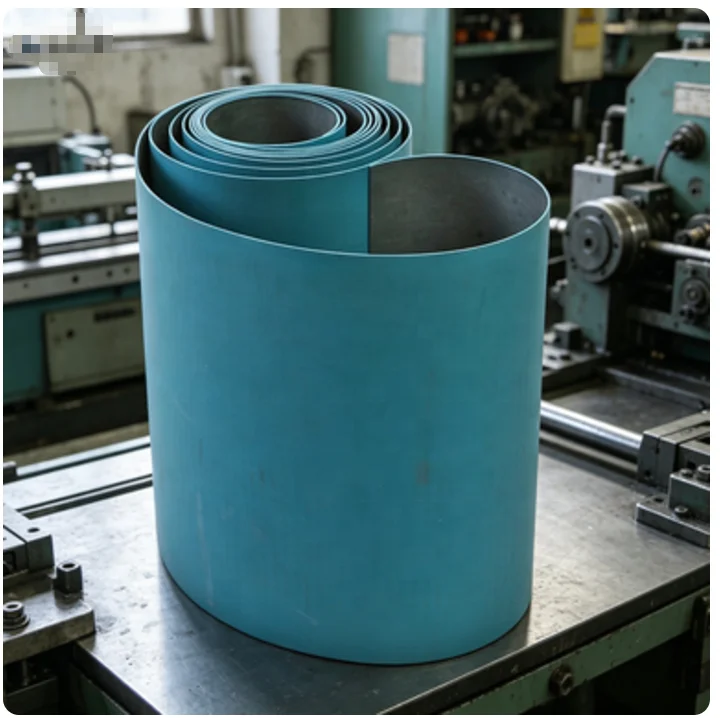
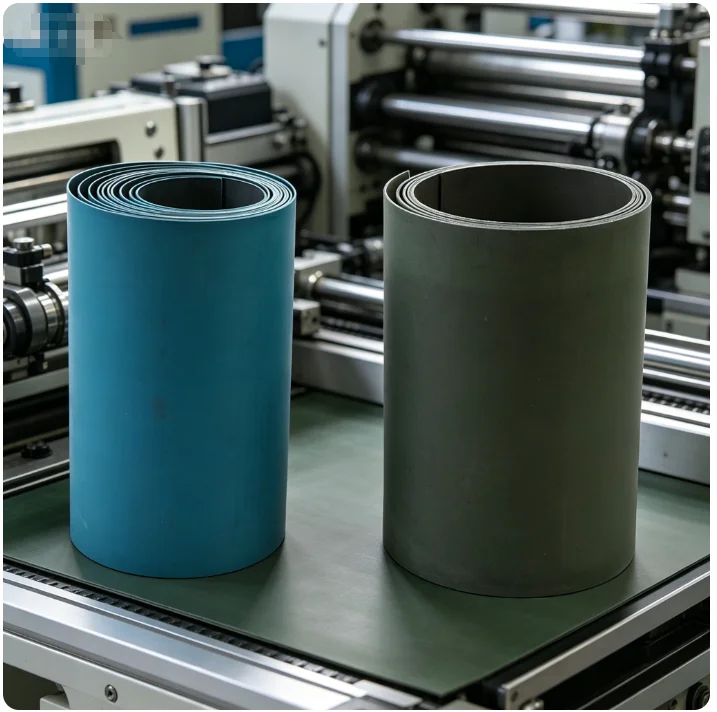
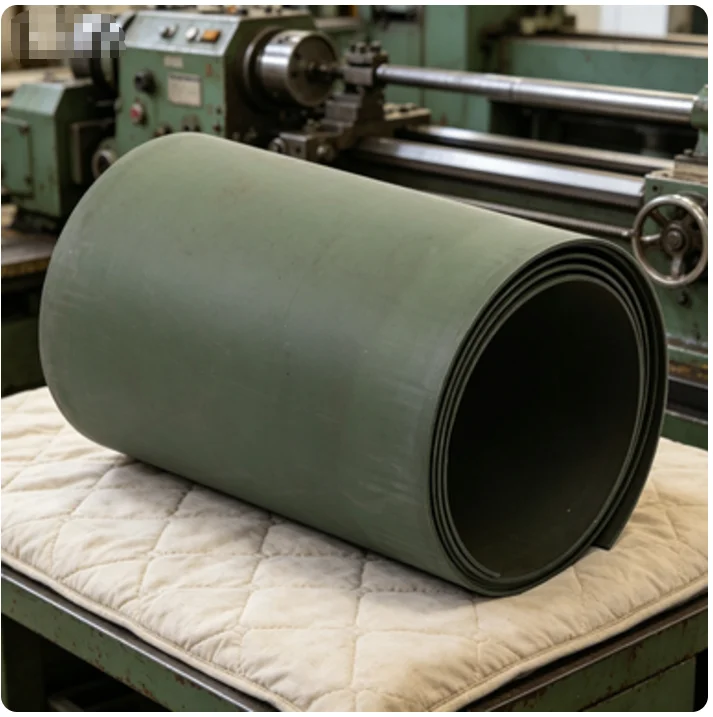
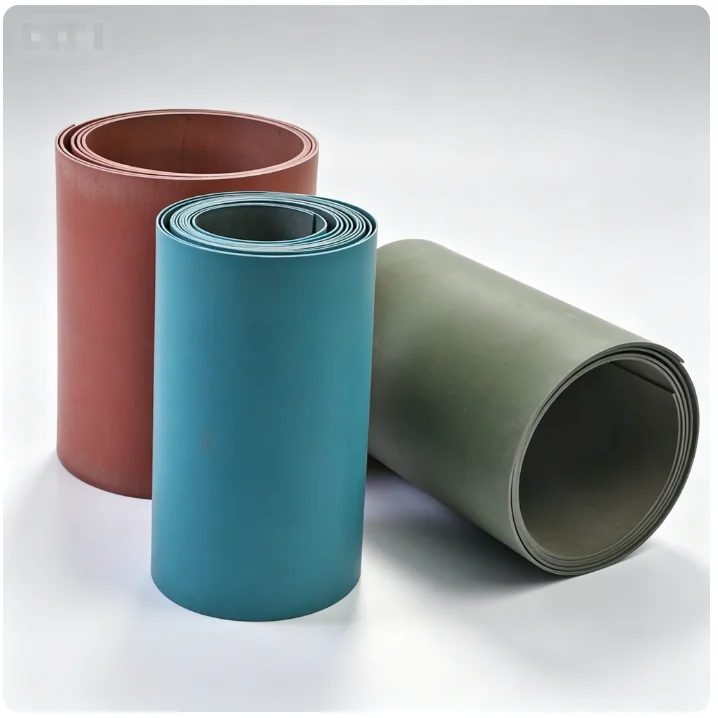
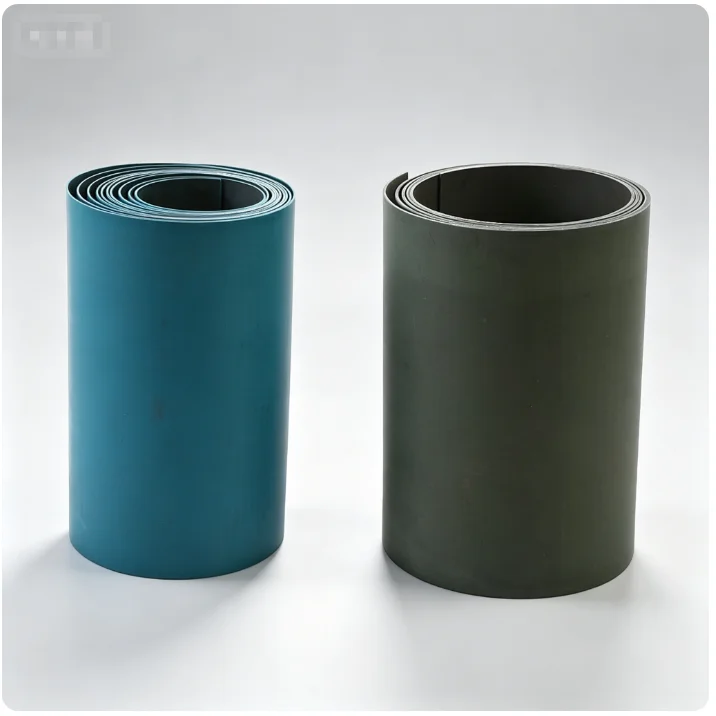
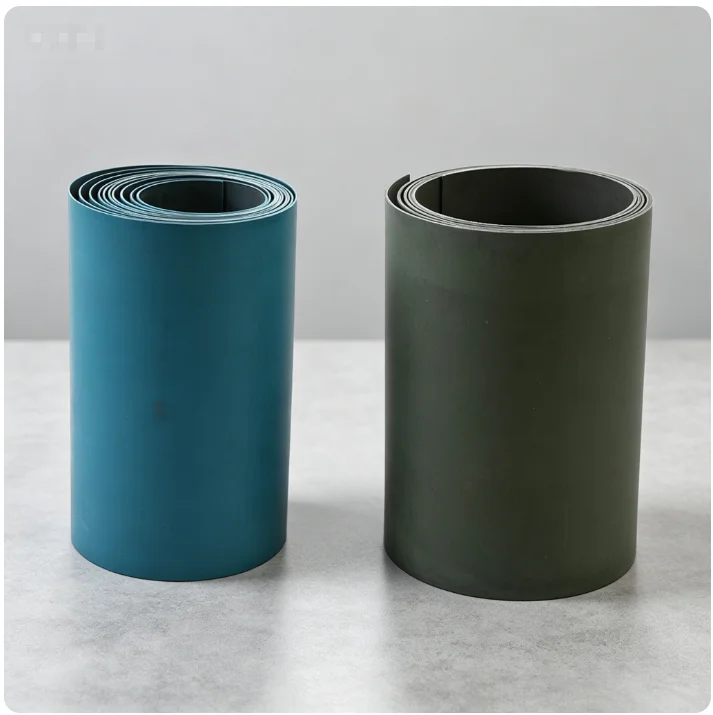
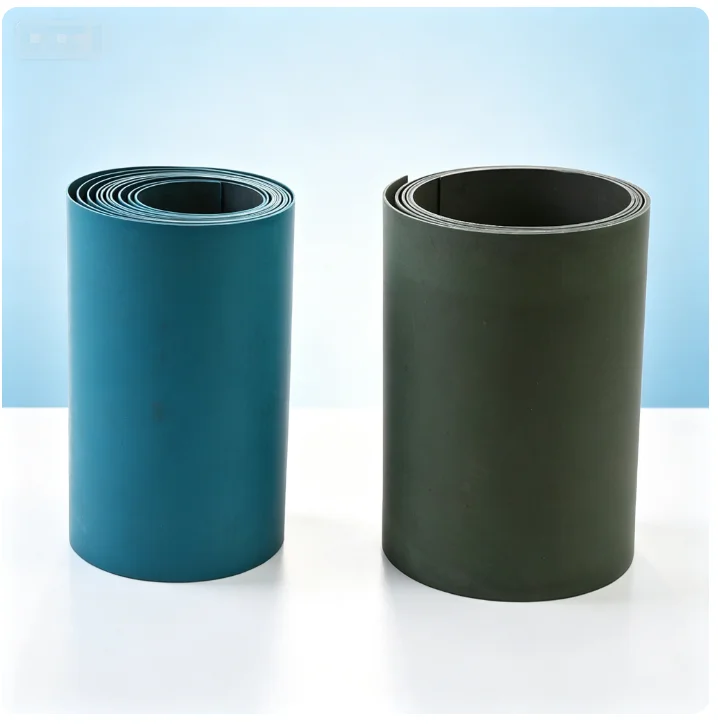
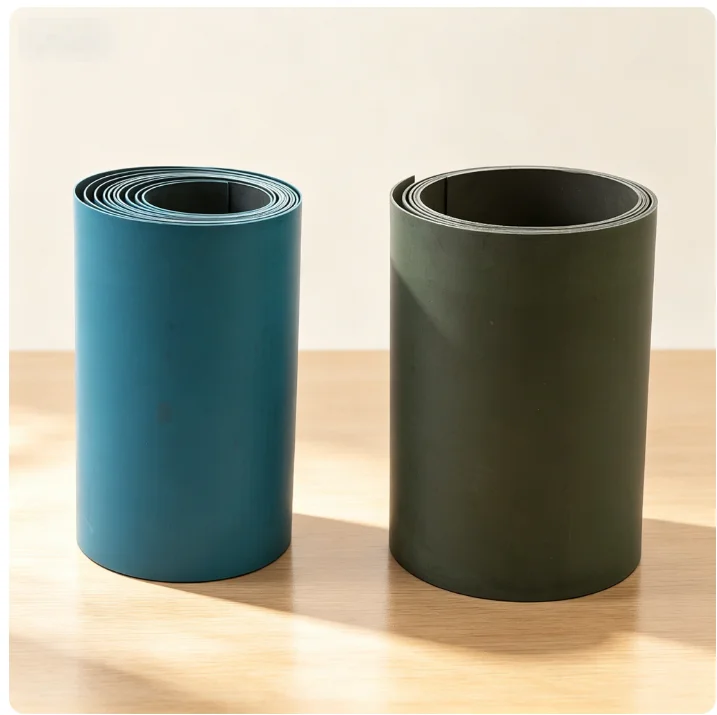
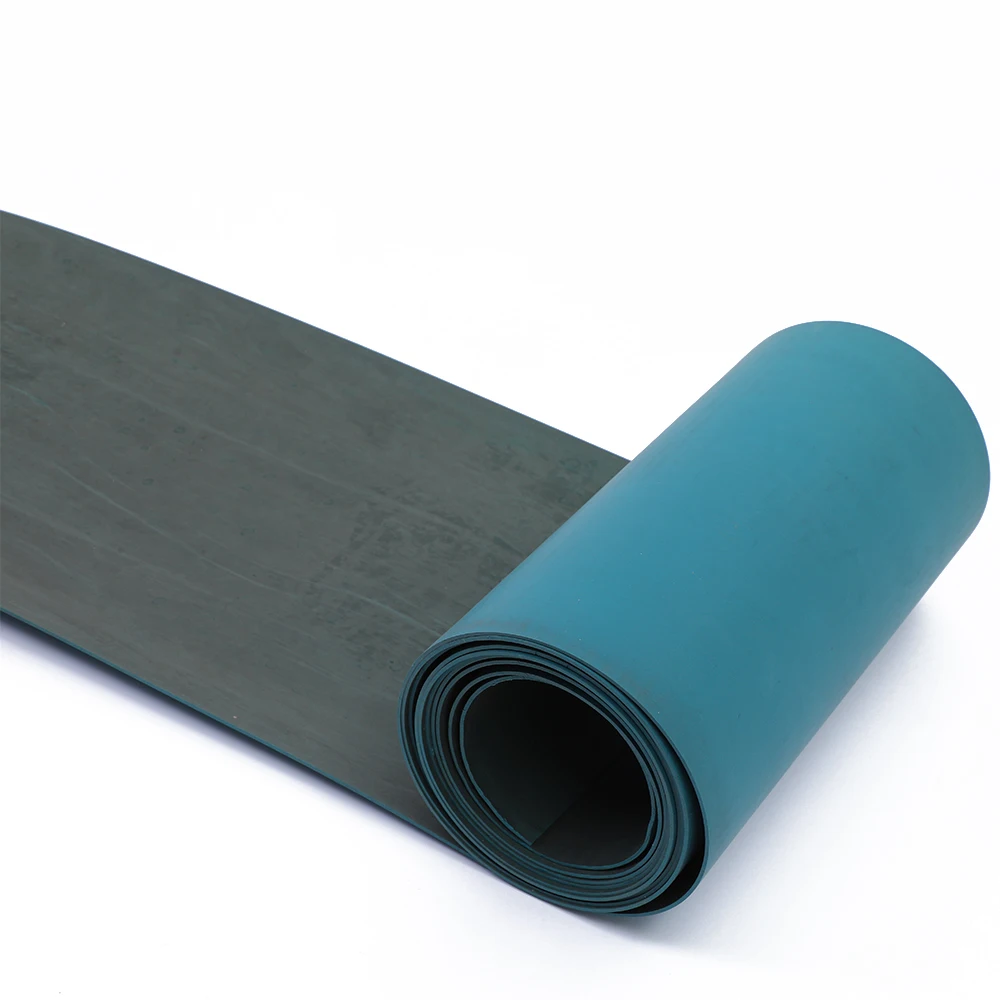
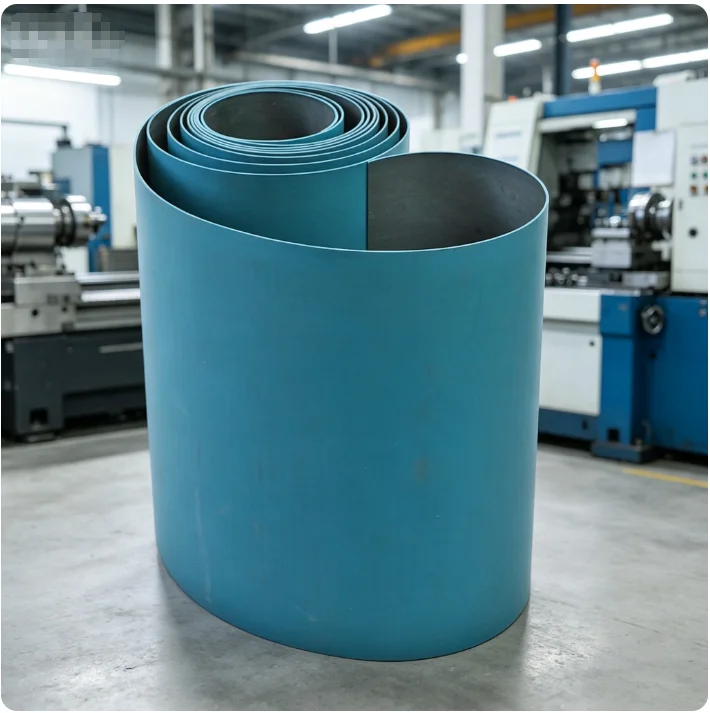
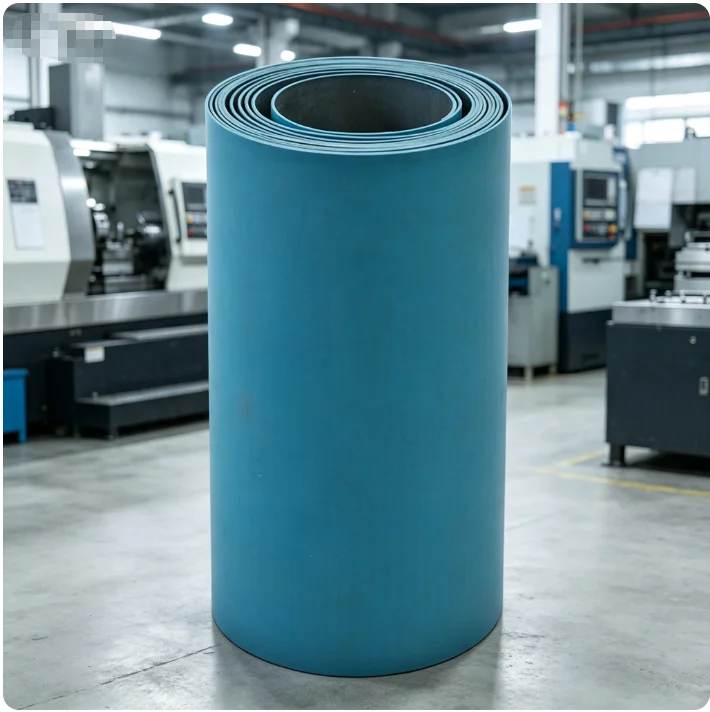
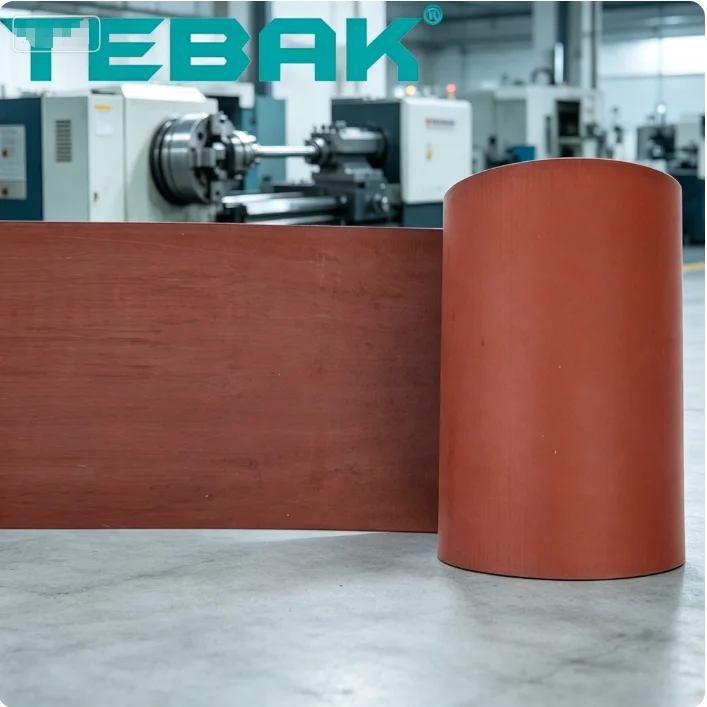
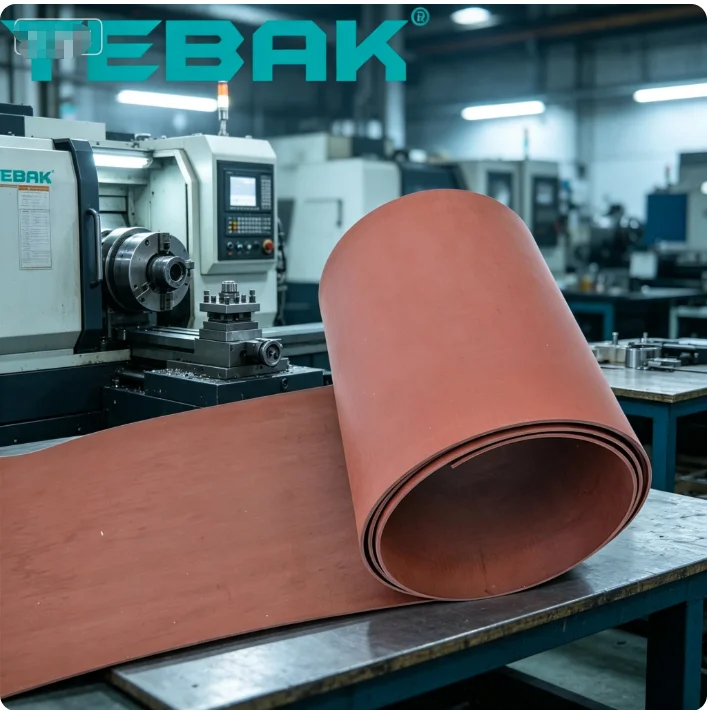
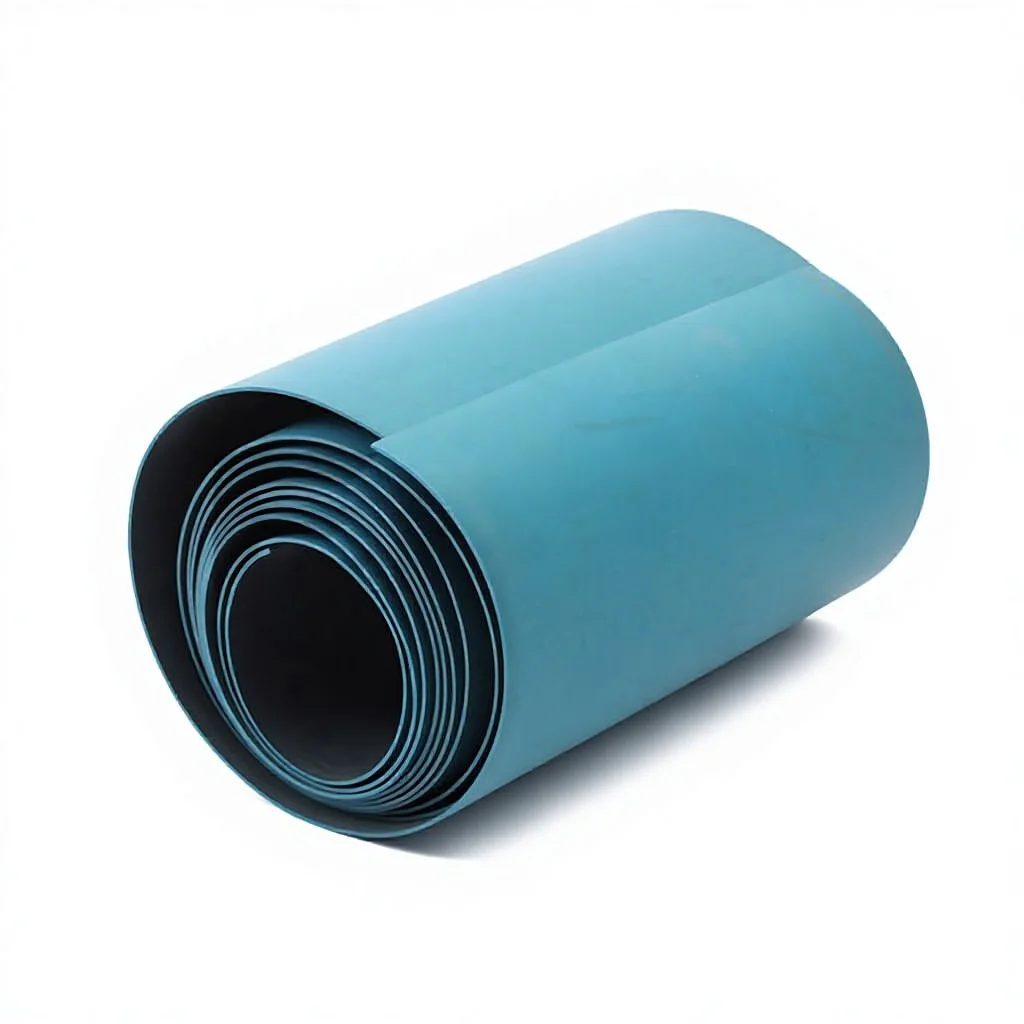
The catalogue carries filled PTFE and Turcite-type material in red, green and blue, in thicknesses from 0.5 mm to 3.2 mm and widths up to about 305 mm. The colour is not decoration: the fillers differ, and the filler is what gives the material its wear resistance and its dimensional stability under load. Bronze-filled material carries load better; glass-filled material is stiffer and more abrasive to the mating surface.
| Thickness | Typical use |
|---|---|
| 0.5 – 1.0 mm | Thin repairs where the geometry allows only a small build-up |
| 1.2 – 1.5 mm | Common rebuilding thickness on small and medium lathes |
| 2.0 – 2.5 mm | Heavier machines, or where the original lining was thick |
| 3.0 – 3.2 mm | Large machine tools and where significant material was worn away |
Thickness is a geometry decision, not a preference
The lining adds height to the saddle. Whatever thickness you bond on has to be scraped back to the original centre height, and the thicker the sheet the more scraping that takes. Choose the thinnest sheet that still lets you recover the worn geometry — usually the wear depth plus a margin for scraping, not the thickest available.
Bonding is where rebuilds fail
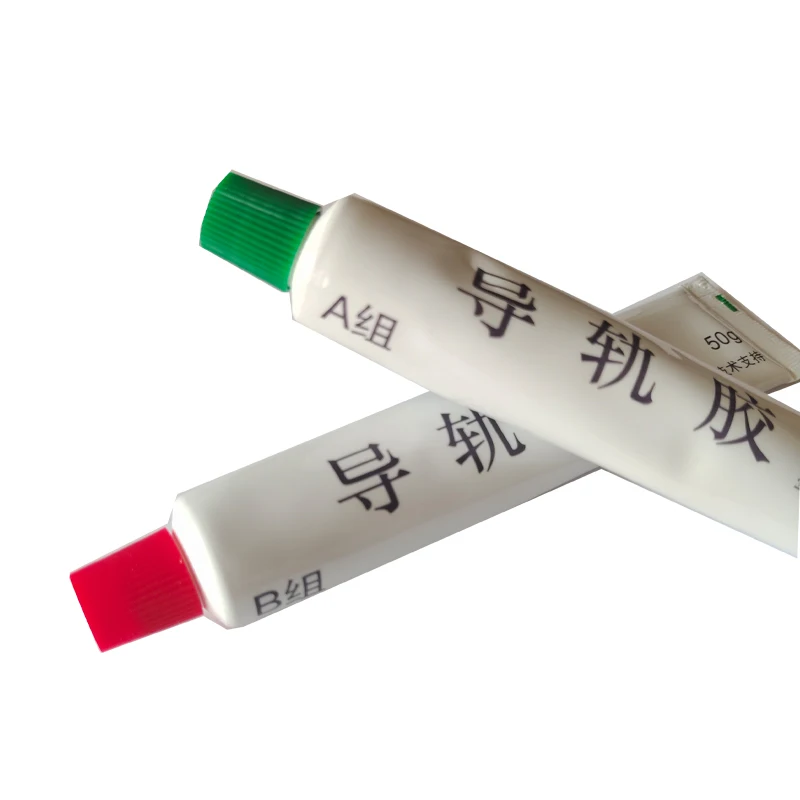
The adhesive needs a clean, roughened, degreased surface on both sides, and it needs pressure while it cures. The classic failure is a lining that lets go at one corner after a few months, which then peels progressively and takes the geometry with it. Surface preparation — machining the old lining off completely, degreasing, abrading, and using the adhesive's specified primer — matters more than the brand of sheet.
Scraping in, and the oil film
After bonding, the material is scraped to fit the mating way and to carry a proper contact pattern. The point of the material is that it runs against cast iron with a low coefficient of friction and holds an oil film, which is why a rebuilt slide often moves more freely than the original did. Scrape for contact points, not for a mirror finish: a polished surface with no oil retention will gall.
What to specify
- Thickness in millimetres, and the width you need cut from
- Colour or filler type, if the original lining is known
- Whether the sheet needs to be adhesive-backed
- Total area, so the sheet can be supplied in usable strips rather than offcuts
- Whether the application is a lathe, a milling machine or a grinder — the load case differs